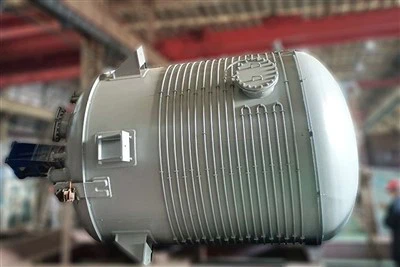
Storage vessels are essential components in various industries, serving as repositories for a wide range of substances. A common question that arises is whether storage vessels can be used for storing gases. As a reputable storage vessel supplier, I am well - versed in the technicalities and practicalities of this matter. In this blog, I will explore the feasibility, considerations, and applications of using storage vessels for gas storage.
Feasibility of Gas Storage in Storage Vessels
The short answer is yes; storage vessels can indeed be used for storing gases. However, it is a complex process that requires careful design, engineering, and safety measures. Gases have unique properties compared to liquids and solids. They are highly compressible, which means that they can occupy a much larger volume under normal conditions but can be compressed into a relatively small space within a storage vessel.
The ability to store gases in vessels depends on several factors. First and foremost is the pressure - bearing capacity of the vessel. Gases are often stored under high pressure to reduce their volume and increase the amount of gas that can be stored. For example, natural gas is commonly stored at pressures ranging from a few hundred to several thousand pounds per square inch (psi). Therefore, storage vessels for gases must be designed and constructed to withstand these high pressures.


Another crucial factor is the material of the vessel. Different gases can react with certain materials. For instance, corrosive gases such as hydrogen sulfide can cause significant damage to unprotected steel vessels over time. As a result, materials like stainless steel, aluminum, or specialized alloys are often used for storing corrosive or reactive gases. These materials provide better resistance to corrosion and chemical reactions, ensuring the long - term integrity of the storage vessel.
Types of Storage Vessels for Gases
There are several types of storage vessels commonly used for gas storage. One of the most common types is the pressure vessel. Pressure vessels are designed to hold gases at pressures above atmospheric pressure. They come in various shapes, including cylindrical, spherical, and rectangular. Cylindrical pressure vessels are widely used due to their simplicity of design and ease of manufacturing. Spherical vessels, on the other hand, are more efficient in terms of withstanding high pressures as they distribute the pressure evenly across the surface.
Another type is the cryogenic storage vessel. Cryogenic gases, such as liquid nitrogen, liquid oxygen, and liquid hydrogen, are stored at extremely low temperatures. Cryogenic storage vessels are insulated to minimize heat transfer and keep the gases in their liquid state. These vessels are typically made of materials with low thermal conductivity and are designed to prevent the boil - off of the cryogenic liquid.
Safety Considerations
Safety is of utmost importance when it comes to gas storage in vessels. High - pressure gases pose a significant risk of explosion if the vessel fails. Therefore, strict safety standards and regulations govern the design, construction, and operation of gas storage vessels.
Regular inspections and maintenance are essential to ensure the integrity of the vessel. Non - destructive testing methods, such as ultrasonic testing, radiography, and magnetic particle testing, are used to detect any potential defects in the vessel's structure. Additionally, safety devices such as pressure relief valves are installed on the vessels. These valves are designed to release excess pressure in case the pressure inside the vessel exceeds the safe limit, preventing a catastrophic failure.
Applications of Gas Storage Vessels
Gas storage vessels have a wide range of applications across different industries. In the energy sector, natural gas storage vessels are used to store and distribute natural gas to homes and businesses. These vessels ensure a stable supply of natural gas, especially during peak demand periods.
In the chemical industry, storage vessels are used to store various gases such as chlorine, ammonia, and hydrogen. These gases are essential raw materials for the production of a wide range of chemicals, including plastics, fertilizers, and pharmaceuticals.
In the food and beverage industry, carbon dioxide storage vessels are used to carbonate beverages. The carbon dioxide is stored under pressure and then injected into the beverages to create the characteristic fizz.
Related Equipment and Their Role in Gas Storage
In addition to storage vessels, other equipment plays a crucial role in the overall gas storage and handling system. For example, Scrubber Tower is often used to remove impurities from gases before they are stored in the vessels. Scrubber towers use various methods, such as absorption and adsorption, to remove contaminants like dust, sulfur compounds, and heavy metals.
Stripping Tower is another important piece of equipment. Stripping towers are used to remove dissolved gases from liquids or to separate different components of a gas mixture. They are commonly used in the oil and gas industry to remove hydrogen sulfide and other unwanted gases from natural gas streams.
U - Tube Heat Exchanger can also be involved in gas storage systems. Heat exchangers are used to control the temperature of the gases during storage and transfer. For example, in cryogenic gas storage, heat exchangers are used to cool the gas to the required low temperature before it is stored in the cryogenic vessel.
Conclusion
In conclusion, storage vessels can be effectively used for storing gases, but it requires careful consideration of factors such as pressure, material, and safety. The right type of storage vessel, along with proper design, construction, and maintenance, is crucial for safe and efficient gas storage.
If you are in need of high - quality storage vessels for gas storage or any related equipment, I invite you to contact me for a detailed discussion. Our team of experts can provide you with customized solutions tailored to your specific requirements. Whether you are in the energy, chemical, food and beverage, or any other industry, we have the expertise and resources to meet your gas storage needs.
References
- "Pressure Vessel Design Manual" by Dennis Moss
- "Cryogenic Engineering" by Richard W. Siegel
- Industry standards and regulations from organizations such as the American Society of Mechanical Engineers (ASME)