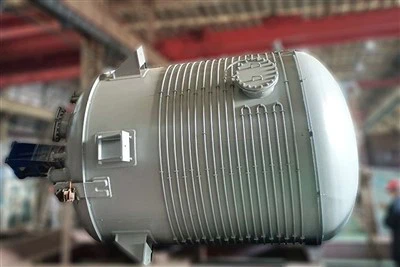
Pressure vessels are critical components in various industries, including chemical, oil and gas, power generation, and food processing. These vessels are designed to hold fluids or gases at a pressure significantly different from the ambient pressure. Ensuring the safe operation of pressure vessels is of utmost importance to prevent accidents, protect personnel, and safeguard the environment. As a pressure vessels supplier, I understand the significance of providing comprehensive guidance on safe operation. In this blog post, I will share some essential tips on how to operate pressure vessels safely.
Pre - operation Inspection
Before starting the operation of a pressure vessel, a thorough pre - operation inspection is necessary. This inspection should cover several aspects. First, check the external condition of the vessel. Look for any signs of corrosion, dents, or cracks on the vessel's surface. Corrosion can weaken the vessel's structure over time, and dents or cracks may lead to sudden failures. If any of these issues are detected, the vessel should not be operated until appropriate repairs are made.
Inspect the safety devices installed on the pressure vessel. Safety valves are crucial for relieving excess pressure and preventing over - pressurization of the vessel. Ensure that the safety valves are in good working condition, properly calibrated, and not blocked. Other safety devices such as pressure gauges and level indicators should also be checked for accuracy. A malfunctioning pressure gauge can give false readings, leading to incorrect operation and potential hazards.
Verify the connection points of the pressure vessel. All pipes, fittings, and flanges should be tightly connected to prevent leaks. Leaks can not only result in the loss of valuable fluids or gases but also pose a fire or explosion risk if the substances are flammable.
Proper Installation
Proper installation of pressure vessels is a fundamental step in ensuring their safe operation. The installation should be carried out by qualified personnel following the manufacturer's instructions and relevant industry standards. The site where the vessel is to be installed should be carefully selected. It should be a stable and level surface that can support the weight of the vessel and its contents.


The vessel should be installed in a well - ventilated area, especially if it contains flammable or toxic substances. Adequate ventilation helps to disperse any leaked gases or vapors, reducing the risk of accumulation and potential explosion or poisoning.
When connecting the pressure vessel to the piping system, use the correct type and size of pipes and fittings. Improper connections can cause excessive stress on the vessel and lead to leaks or structural failures. Additionally, proper support and anchoring of the vessel are essential to prevent movement during operation, which could damage the vessel or its connections.
Operating within Design Parameters
One of the most critical aspects of safe pressure vessel operation is to operate within the design parameters specified by the manufacturer. These parameters include the maximum allowable working pressure (MAWP), maximum temperature, and the type of substances the vessel is designed to hold.
Exceeding the MAWP can cause the vessel to rupture, leading to a catastrophic release of the contents. The temperature also plays a crucial role. High temperatures can weaken the vessel's material, reducing its strength and increasing the risk of failure. Therefore, it is essential to monitor and control the pressure and temperature during operation.
The vessel should only be used to store or process the substances for which it is designed. Using the vessel with incompatible substances can cause chemical reactions that may damage the vessel or produce hazardous by - products. For example, some chemicals can react with the vessel's material, causing corrosion or embrittlement.
Regular Maintenance
Regular maintenance is vital for the long - term safe operation of pressure vessels. A maintenance schedule should be established based on the manufacturer's recommendations and industry best practices. This schedule should include tasks such as cleaning, inspection, and testing.
Cleaning the pressure vessel helps to remove any deposits or contaminants that may accumulate inside. These deposits can affect the vessel's performance and may also cause corrosion. For example, in a U - Tube Heat Exchanger, fouling of the tubes can reduce the heat transfer efficiency and increase the pressure drop, potentially leading to over - pressurization.
Inspections should be carried out at regular intervals. Non - destructive testing methods such as ultrasonic testing, radiography, and magnetic particle testing can be used to detect internal defects in the vessel's material. These tests can identify cracks or other flaws that may not be visible on the surface.
Testing of safety devices, such as safety valves and pressure gauges, should also be part of the maintenance routine. Safety valves should be tested periodically to ensure that they open at the correct pressure and close properly. Pressure gauges should be calibrated regularly to maintain their accuracy.
Training and Education
All personnel involved in the operation, maintenance, and inspection of pressure vessels should receive proper training and education. They should be familiar with the vessel's design, operation, and safety procedures. Training should cover topics such as pressure vessel theory, safety regulations, emergency response, and the proper use of tools and equipment.
Employees should be aware of the potential hazards associated with pressure vessels and know how to prevent and respond to accidents. For example, they should know how to shut down the vessel in case of an emergency, how to evacuate the area safely, and how to use fire - fighting equipment if necessary.
Emergency Preparedness
Despite all precautions, emergencies can still occur. Therefore, it is essential to have an emergency preparedness plan in place. This plan should include procedures for dealing with various emergencies such as leaks, fires, and explosions.
The plan should define the roles and responsibilities of each employee in the event of an emergency. There should be clear evacuation routes and assembly points. Fire - fighting equipment and emergency response tools should be readily available and in good working condition.
Regular emergency drills should be conducted to ensure that all employees are familiar with the emergency procedures and can respond quickly and effectively in a real - life situation.
Use of Quality Components
As a pressure vessels supplier, I emphasize the importance of using high - quality components in the construction and operation of pressure vessels. High - quality materials for the vessel itself, as well as for pipes, valves, and fittings, can significantly enhance the safety and reliability of the system.
For example, in a Filter Tower, using a high - quality filter media can ensure efficient filtration and prevent the entry of contaminants into the vessel, reducing the risk of corrosion and blockages. Similarly, in a Reactor, using corrosion - resistant materials for the internal components can extend the vessel's service life and prevent chemical reactions that could lead to safety hazards.
Monitoring and Control Systems
Modern pressure vessels are often equipped with advanced monitoring and control systems. These systems can continuously monitor the pressure, temperature, level, and other parameters of the vessel. They can also provide early warnings in case of abnormal conditions.
For example, if the pressure in the vessel exceeds a certain limit, the monitoring system can trigger an alarm and automatically shut down the relevant equipment to prevent over - pressurization. These systems can also record the operating data, which can be used for analysis and to identify any trends or potential problems.
Conclusion
Operating pressure vessels safely requires a comprehensive approach that includes pre - operation inspection, proper installation, operating within design parameters, regular maintenance, training and education, emergency preparedness, use of quality components, and the implementation of monitoring and control systems. As a pressure vessels supplier, I am committed to providing high - quality products and sharing knowledge on safe operation to our customers.
If you are interested in purchasing pressure vessels or have any questions about their safe operation, we are here to assist you. Our team of experts can provide you with detailed information and guidance to ensure that you make the right choice for your specific needs. Contact us for more information and to start a procurement discussion.
References
- ASME Boiler and Pressure Vessel Code.
- OSHA Pressure Vessel Safety Regulations.
- Manufacturer's manuals for pressure vessels and related equipment.