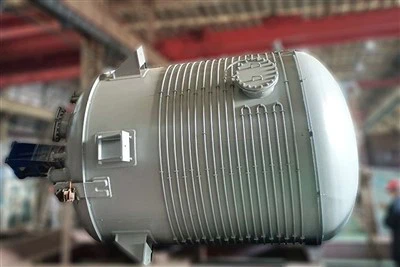
Improving heat transfer efficiency in a drying tower is crucial for enhancing the overall performance and energy efficiency of industrial processes. As a drying tower supplier, we understand the significance of this aspect and have extensive experience in optimizing drying tower operations. In this blog, we will explore various strategies and techniques to improve heat transfer efficiency in a drying tower.
Understanding the Basics of Heat Transfer in a Drying Tower
Before delving into the methods of improving heat transfer efficiency, it is essential to understand the basic principles of heat transfer in a drying tower. Heat transfer in a drying tower typically occurs through three main mechanisms: conduction, convection, and radiation.
Conduction is the transfer of heat through a solid material or between two solids in contact. In a drying tower, conduction can occur between the heating medium (such as hot air or steam) and the tower walls, as well as between the material being dried and the contact surfaces within the tower.
Convection is the transfer of heat through the movement of a fluid (such as air or gas). In a drying tower, convection plays a significant role in transferring heat from the heating medium to the material being dried. Hot air or gas is circulated through the tower, carrying heat to the material and removing moisture.

Radiation is the transfer of heat through electromagnetic waves. Although radiation may not be the dominant heat transfer mechanism in a drying tower, it can still contribute to the overall heat transfer process, especially at high temperatures.
Factors Affecting Heat Transfer Efficiency in a Drying Tower
Several factors can affect the heat transfer efficiency in a drying tower. Understanding these factors is essential for identifying areas for improvement and implementing effective strategies. Some of the key factors include:
- Tower Design and Geometry: The design and geometry of the drying tower can significantly impact heat transfer efficiency. Factors such as tower height, diameter, shape, and internal structure can affect the flow pattern of the heating medium and the distribution of heat within the tower.
- Heating Medium Properties: The properties of the heating medium, such as temperature, flow rate, and humidity, can have a significant impact on heat transfer efficiency. Higher temperatures and flow rates generally result in more efficient heat transfer, but they also require more energy.
- Material Properties: The properties of the material being dried, such as moisture content, particle size, and thermal conductivity, can also affect heat transfer efficiency. Materials with high moisture content or low thermal conductivity may require more energy and time to dry.
- Operating Conditions: The operating conditions of the drying tower, such as temperature, pressure, and airflow rate, can also impact heat transfer efficiency. Optimal operating conditions need to be maintained to ensure efficient heat transfer and drying.
Strategies to Improve Heat Transfer Efficiency in a Drying Tower
Based on our experience as a drying tower supplier, we have identified several strategies and techniques that can be used to improve heat transfer efficiency in a drying tower. These strategies can be broadly categorized into the following areas:
Tower Design Optimization
- Optimal Tower Geometry: The design of the drying tower should be optimized to ensure uniform flow distribution and efficient heat transfer. This may involve selecting the appropriate tower height, diameter, and shape, as well as incorporating internal baffles or distributors to enhance mixing and heat transfer.
- Enhanced Heat Transfer Surfaces: The use of enhanced heat transfer surfaces, such as fins or corrugations, can significantly increase the surface area available for heat transfer, thereby improving heat transfer efficiency. These surfaces can be incorporated into the tower walls, heating coils, or other components.
- Proper Insulation: Adequate insulation of the drying tower is essential to minimize heat loss and improve energy efficiency. Insulation materials with high thermal resistance should be used to reduce heat transfer through the tower walls.
Heating Medium Management
- Optimized Heating Medium Temperature and Flow Rate: The temperature and flow rate of the heating medium should be optimized to ensure efficient heat transfer. Higher temperatures and flow rates generally result in more efficient heat transfer, but they also require more energy. Therefore, a balance needs to be struck between heat transfer efficiency and energy consumption.
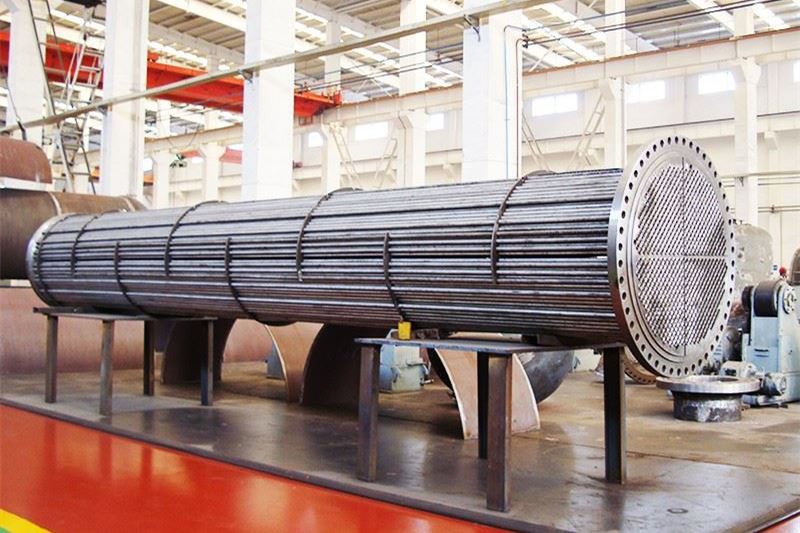
- Preheating of the Heating Medium: Preheating the heating medium can significantly improve heat transfer efficiency by reducing the temperature difference between the heating medium and the material being dried. This can be achieved using a Fixed Tube Sheet Heat Exchanger or other heat recovery devices.
- Humidity Control: Controlling the humidity of the heating medium can also improve heat transfer efficiency, especially in applications where moisture removal is a critical factor. This can be achieved using a dehumidifier or other moisture control devices.
Material Handling and Distribution
- Uniform Material Distribution: Ensuring uniform distribution of the material being dried within the tower is essential for efficient heat transfer. This can be achieved using appropriate feeding systems, such as screw conveyors or belt feeders, and by incorporating internal distributors or spreaders to ensure even distribution of the material.
- Optimized Material Particle Size: The particle size of the material being dried can also affect heat transfer efficiency. Smaller particle sizes generally result in more efficient heat transfer due to the increased surface area available for heat and mass transfer. Therefore, the material should be properly pre - processed to achieve the desired particle size.
Process Integration and Heat Recovery
- Heat Recovery Systems: Implementing heat recovery systems can significantly improve the overall energy efficiency of the drying process by recovering and reusing waste heat. This can be achieved using heat exchangers, condensers, or other heat recovery devices to transfer heat from the exhaust gases or other waste streams to the incoming heating medium or other process streams.
- Integration with Other Processes: Integrating the drying tower with other processes in the plant can also improve heat transfer efficiency and overall energy efficiency. For example, the waste heat from a nearby Absorption Tower or Scrubber Tower can be used to preheat the heating medium for the drying tower.
Monitoring and Control
- Real - Time Monitoring: Implementing a real - time monitoring system can help to identify any issues or inefficiencies in the heat transfer process. Sensors can be installed to measure parameters such as temperature, pressure, flow rate, and moisture content, and the data can be used to optimize the operating conditions of the drying tower.
- Automated Control Systems: Using automated control systems can ensure that the drying tower operates at optimal conditions at all times. These systems can adjust the temperature, flow rate, and other parameters based on the real - time data collected from the sensors, thereby improving heat transfer efficiency and reducing energy consumption.
Conclusion
Improving heat transfer efficiency in a drying tower is a complex but achievable goal. By understanding the basic principles of heat transfer, identifying the factors affecting heat transfer efficiency, and implementing appropriate strategies and techniques, significant improvements in energy efficiency and drying performance can be achieved. As a drying tower supplier, we are committed to providing our customers with high - quality drying towers and innovative solutions to help them optimize their drying processes.
If you are interested in improving the heat transfer efficiency of your drying tower or are looking for a reliable drying tower supplier, we invite you to contact us for a detailed consultation. Our team of experts will be happy to assist you in selecting the most suitable drying tower and implementing the necessary improvements to enhance your process performance.
References
- Incropera, F. P., & DeWitt, D. P. (2002). Fundamentals of Heat and Mass Transfer. John Wiley & Sons.
- Kreith, F., & Bohn, M. S. (2010). Principles of Heat Transfer. Cengage Learning.
- Perry, R. H., & Green, D. W. (1997). Perry's Chemical Engineers' Handbook. McGraw - Hill.