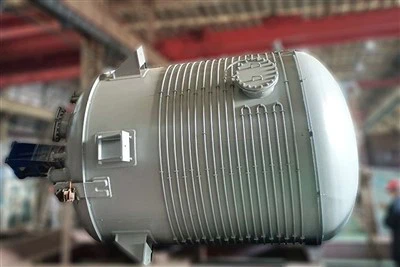
What are the installation costs of pressure vessels?
As a supplier of pressure vessels, I often encounter customers who are not only concerned about the purchase price of pressure vessels but also the installation costs. Understanding the factors that influence these costs is crucial for both us as suppliers and our customers, as it helps in accurate budgeting and project planning.
Factors Affecting Installation Costs
1. Vessel Size and Complexity
The size and complexity of a pressure vessel play a significant role in determining the installation cost. Larger vessels generally require more labor, specialized equipment for lifting and positioning, and additional structural support. For example, a large Storage Vessel used in an industrial plant may need heavy - duty cranes and a team of experienced technicians to install.
Complex vessels with intricate internal structures, such as baffles or multiple compartments, also increase the installation difficulty. These vessels demand more precise alignment during installation to ensure proper functionality. A Stripping Tower, which has a complex internal packing and tray system, requires careful installation to prevent leaks and ensure efficient separation processes.
2. Site Conditions
The location where the pressure vessel will be installed can have a substantial impact on costs. If the installation site is in a remote area, transportation costs for equipment and personnel will be higher. Additionally, difficult terrain, such as hilly or marshy areas, may require additional ground preparation work, like leveling or building a foundation.
Weather conditions also matter. Installing a pressure vessel in an area with extreme weather, such as heavy snow or high - wind regions, may require additional safety measures and can cause delays, which in turn increase costs. For instance, in a coastal area, corrosion - resistant materials and protective coatings may be necessary to prevent damage from saltwater exposure, adding to the overall installation expense.
3. Regulatory Requirements
Compliance with local, national, and international regulations is non - negotiable when it comes to pressure vessel installation. Different regions have specific codes and standards regarding the design, installation, and inspection of pressure vessels. These regulations often require the involvement of certified inspectors and engineers, which adds to the cost.
For example, in some countries, pressure vessels must be inspected at various stages of installation to ensure they meet safety standards. This may involve non - destructive testing methods, such as ultrasonic testing or radiography, which require specialized equipment and trained personnel.
4. Connection and Integration
Pressure vessels need to be connected to other systems, such as piping, valves, and control systems. The complexity of these connections can vary widely. If the vessel is part of a large - scale industrial process, integrating it with existing systems may require extensive engineering work.
For a U - Tube Heat Exchanger, proper connection to the heating or cooling fluid circuits is essential. Any miscalculation or improper installation of these connections can lead to inefficiencies or even system failures. This may involve precise measurement, welding, and testing to ensure leak - free connections.
Cost Breakdown
1. Labor Costs
Labor is one of the most significant components of the installation cost. The number of workers required, their skill levels, and the duration of the installation project all contribute to the labor cost. Skilled welders, crane operators, and mechanical engineers are often needed for pressure vessel installation.
On average, labor costs can range from 30% to 50% of the total installation cost. For a simple installation, the labor cost may be on the lower end of this range, while a complex project with a large vessel and difficult site conditions can push the labor cost closer to 50%.
2. Equipment and Materials
The cost of equipment used during installation, such as cranes, forklifts, and welding machines, should be considered. Additionally, materials like gaskets, bolts, and insulation are required for proper installation. The quality and quantity of these materials can vary depending on the vessel's specifications and the installation requirements.
For example, high - quality gaskets are necessary to ensure a tight seal between the vessel and the connected piping. The cost of these materials can add up, especially for larger vessels or those with specific corrosion - resistance requirements.
3. Inspection and Testing
As mentioned earlier, regulatory requirements often mandate inspection and testing during and after installation. The cost of these services includes the fees for certified inspectors, the cost of testing equipment, and the time spent on testing procedures.
Non - destructive testing methods, such as magnetic particle testing or dye penetrant testing, are commonly used to detect surface and near - surface defects. These tests ensure the integrity of the pressure vessel and are an important part of the installation process.
Estimating Installation Costs
To provide our customers with an accurate estimate of the installation cost, we follow a systematic approach. First, we conduct a detailed site survey to assess the site conditions, including the terrain, accessibility, and existing infrastructure. This helps us understand the challenges and requirements of the installation.
Next, we analyze the vessel's specifications, including its size, complexity, and connection requirements. Based on this information, we can determine the labor, equipment, and materials needed for the installation. We also consider the regulatory requirements of the installation location and factor in the cost of inspection and testing.


Finally, we provide our customers with a comprehensive cost estimate that includes all these components. This estimate is not only a valuable tool for our customers in budgeting but also helps us in planning the installation project effectively.
Conclusion
The installation costs of pressure vessels are influenced by multiple factors, including vessel size and complexity, site conditions, regulatory requirements, and connection and integration needs. As a pressure vessel supplier, we are committed to providing our customers with high - quality products and accurate cost estimates.
If you are considering purchasing a pressure vessel and need more information about installation costs or any other aspects of our products, we encourage you to contact us. Our team of experts is ready to assist you in making the right decision for your project. Whether you need a Stripping Tower, a Storage Vessel, or a U - Tube Heat Exchanger, we have the knowledge and experience to meet your needs.
References
- ASME Boiler and Pressure Vessel Code
- National Board Inspection Code
- Local and international pressure vessel installation standards and regulations