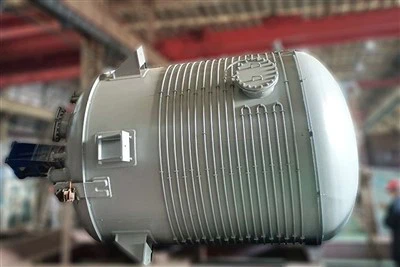
How to Install a Storage Vessel?
As a seasoned supplier of storage vessels, I understand that the installation process can seem daunting, especially for those new to the field. In this blog post, I'll guide you through the essential steps of installing a storage vessel, ensuring that you achieve a safe and efficient setup.
Pre - installation Preparation
Before you even begin to think about physically installing the storage vessel, there are several crucial preparatory steps.
Site Selection: The first step is to choose an appropriate location for your storage vessel. The site should be level, stable, and able to support the weight of the vessel when it is full. It should also be away from potential sources of damage, such as heavy traffic areas or areas prone to flooding. Additionally, consider the proximity to other equipment and utilities, as this will affect the ease of installation and future operation.
Regulatory Compliance: Familiarize yourself with all local, state, and federal regulations regarding the installation of storage vessels. These regulations can cover aspects such as safety standards, environmental protection, and building codes. Failure to comply with these regulations can result in significant fines and legal issues. Make sure to obtain all necessary permits before starting the installation process.
Inspect the Vessel: Once you have received the storage vessel from our company, conduct a thorough inspection. Check for any signs of damage during transit, such as dents, scratches, or leaks. Ensure that all components, including valves, gauges, and fittings, are present and in good working condition. If you notice any issues, contact our customer service immediately, and we will assist you in resolving them.
Installation Steps
Foundation Construction: The foundation is the base upon which the storage vessel will rest, so it is essential to construct it correctly. The type of foundation will depend on the size and weight of the vessel, as well as the soil conditions at the installation site. For smaller vessels, a simple concrete pad may be sufficient. However, larger vessels may require a more elaborate foundation, such as a reinforced concrete slab or a pile foundation.
When constructing the foundation, make sure it is level within the specified tolerance. Use a level and a transit to ensure accuracy. The foundation should also be large enough to support the entire base of the vessel, with some additional space for access and maintenance.
Vessel Placement: Once the foundation is cured and ready, it's time to place the storage vessel on it. Use appropriate lifting equipment, such as cranes or forklifts, to move the vessel into position. Make sure the vessel is centered on the foundation and aligned correctly. Check the levelness of the vessel again using a spirit level.
During the placement process, be careful not to damage the vessel or the foundation. Follow all safety procedures and guidelines provided by the lifting equipment manufacturer.
Piping and Connection Installation: After the vessel is in place, it's time to connect the piping and other components. This includes connecting the inlet and outlet pipes, as well as any other auxiliary pipes for functions such as ventilation or drainage.
Use high - quality piping materials that are compatible with the contents of the storage vessel. Make sure all connections are tight and leak - free. You can use appropriate sealing materials, such as gaskets or O - rings, to ensure a proper seal.
When installing the piping, consider the flow direction and the ease of maintenance. Arrange the pipes in an organized manner to avoid any potential blockages or interference.


Instrumentation Installation: Install all necessary instrumentation, such as pressure gauges, temperature sensors, and level indicators. These instruments are crucial for monitoring the operation of the storage vessel. Make sure they are installed in the correct locations and calibrated properly.
The pressure gauges should be installed at strategic points to accurately measure the pressure inside the vessel. Temperature sensors should be placed in areas where the temperature is most critical. Level indicators are essential for determining the amount of liquid or gas stored in the vessel.
Post - installation Checks
Leak Testing: Once all the connections and installations are complete, conduct a leak test. This can be done by pressurizing the vessel with air or a non - flammable gas and checking for any signs of leakage. Use a soap solution to detect leaks at the connections. If you find any leaks, tighten the connections or replace the sealing materials as necessary.
Function Testing: After the leak test, perform a function test of all the components, including valves, pumps, and instrumentation. Open and close the valves to ensure they operate smoothly. Check the pumps to make sure they are pumping the fluid correctly. Verify that all the instrumentation is providing accurate readings.
Safety Checks: Finally, conduct a comprehensive safety check. Make sure all safety devices, such as pressure relief valves and emergency shut - off valves, are installed correctly and functioning properly. Check the grounding of the vessel to prevent static electricity buildup, which can be a fire hazard.
Related Products and Their Applications
In addition to storage vessels, our company also offers a range of related products, such as Stripping Tower, Drying Tower, and U - Tube Heat Exchanger.
The Stripping Tower is used to remove unwanted components from a liquid stream by contacting it with a gas stream. It is commonly used in the chemical and petrochemical industries. The Drying Tower is designed to remove moisture from a gas or liquid stream, which is essential in many industrial processes. The U - Tube Heat Exchanger is used to transfer heat between two fluids, improving the energy efficiency of the system.
Contact Us for Purchase and Installation Services
If you are interested in purchasing a storage vessel or any of our related products, we are here to help. Our team of experts can provide you with detailed product information, assist you in selecting the right product for your needs, and offer professional installation services.
Whether you are a small - scale business or a large industrial enterprise, we have the solutions to meet your requirements. Contact us today to start the procurement process and ensure a smooth and successful installation of your storage vessel.
References
- "Pressure Vessel Handbook" by Robert J. Young.
- "Industrial Piping Design Handbook" by George E. Totten.
- Local and federal regulations regarding storage vessel installation.