When delving into the realm of coal chemical pilot plants, it's crucial to understand the various costs associated with them. As a well - established supplier of coal chemical pilot plants, I've witnessed firsthand the complexities and financial implications that come with setting up and operating such facilities.
Capital Costs
The first major category of costs is capital costs, which are the upfront expenses required to build and equip the coal chemical pilot plant. Land acquisition is often the starting point. The location of the plant is of utmost importance. A site close to coal sources can reduce transportation costs in the long run, but it may also come with higher land prices in areas with rich coal reserves. Additionally, the land must meet environmental and regulatory requirements, which could involve additional costs for land preparation, such as soil remediation or drainage system installation.
Building construction is another significant capital cost. The plant buildings need to be designed to house various equipment safely and efficiently. They must be able to withstand the harsh chemical environment and potential hazards associated with coal chemical processes. Specialized construction materials may be required to prevent corrosion and ensure the structural integrity of the buildings. For example, using corrosion - resistant steel in areas where chemicals are stored or processed.
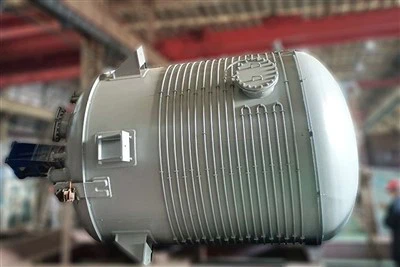
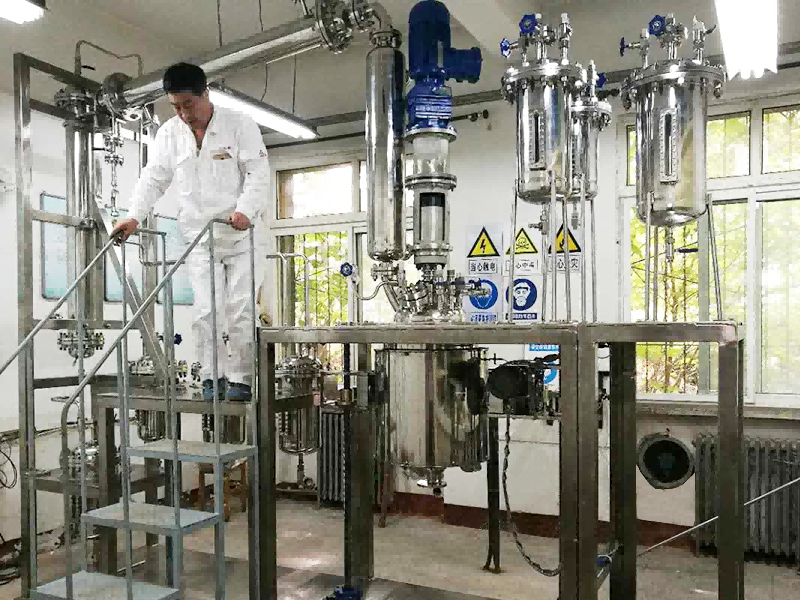
The cost of equipment is perhaps the most substantial part of the capital investment. A coal chemical pilot plant requires a wide range of equipment, from reactors and distillation columns to pumps and valves. High - quality equipment is essential to ensure accurate and reliable test results. For instance, a Distillation Adsorption Extraction Facility is crucial for separating different chemical components in the coal - derived products. This type of equipment is often custom - made to meet the specific requirements of the coal chemical processes being tested, which can drive up the cost significantly.
In addition to the main processing equipment, auxiliary systems such as heating, ventilation, and air - conditioning (HVAC) systems are also necessary. These systems help maintain the optimal operating conditions for the equipment and ensure the safety and comfort of the plant operators. The cost of installing and commissioning these systems should not be underestimated.
Operating Costs
Once the coal chemical pilot plant is up and running, operating costs become a major concern. Raw material costs are a significant portion of the operating expenses. Coal, of course, is the primary raw material. The price of coal can fluctuate depending on market conditions, quality, and availability. Different types of coal have different chemical compositions, which can affect the efficiency and yield of the chemical processes. Therefore, selecting the right type of coal is crucial to balance cost and performance.
Energy costs are also substantial. Coal chemical processes are energy - intensive, requiring large amounts of electricity and heat. Electricity is used to power the equipment, such as pumps and compressors, while heat is needed for reactions and distillation processes. The cost of energy can be influenced by factors such as the local energy market, the efficiency of the plant's energy - using equipment, and the availability of renewable energy sources. For example, some plants may consider using waste heat recovery systems to reduce their energy consumption and costs.
Labor costs are another important aspect of operating expenses. A coal chemical pilot plant requires a team of skilled operators, technicians, and engineers. These professionals need to have a deep understanding of coal chemical processes, equipment operation, and safety procedures. Training these employees to ensure they can handle the complex tasks involved in the plant's operation also incurs additional costs.
Maintenance and repair costs are inevitable in a coal chemical pilot plant. The equipment is exposed to harsh chemical environments, which can cause wear and tear over time. Regular maintenance is required to prevent breakdowns and ensure the reliability of the plant. This includes tasks such as equipment inspection, lubrication, and component replacement. In addition, unexpected breakdowns may occur, requiring immediate repair work. The cost of spare parts and the labor required for repairs can add up quickly.
Regulatory and Compliance Costs
The coal chemical industry is highly regulated due to its potential environmental and safety impacts. Regulatory and compliance costs are an important consideration for any coal chemical pilot plant. Environmental permits are required before the plant can start operation. These permits ensure that the plant meets the environmental standards set by local and national authorities. Obtaining these permits can be a time - consuming and expensive process, involving environmental impact assessments, monitoring plans, and compliance with emission limits.
Safety regulations are also strict in the coal chemical industry. The plant must implement safety measures to protect its employees and the surrounding community. This includes installing safety equipment such as fire suppression systems, gas detectors, and personal protective equipment (PPE). Regular safety training and drills are also required to ensure that all employees are aware of the safety procedures and can respond appropriately in case of an emergency.
Waste management is another area where regulatory compliance is crucial. Coal chemical processes generate various types of waste, including solid, liquid, and gaseous waste. The plant must have proper waste management systems in place to ensure that the waste is disposed of in an environmentally friendly manner. This may involve treating the waste to reduce its toxicity before disposal or finding ways to recycle or reuse the waste materials.
Research and Development Costs
A coal chemical pilot plant is often used for research and development purposes. Research and development (R&D) costs are an important part of the overall cost structure. These costs include the salaries of researchers and scientists, the cost of conducting experiments, and the purchase of research equipment. The goal of R&D in a coal chemical pilot plant is to develop new and improved processes, products, and technologies.
For example, a Polymer Rubber Test Unit can be used to test the feasibility of producing polymer and rubber products from coal - derived materials. This type of research requires a significant investment in terms of time and resources. The results of these R&D efforts can have a major impact on the future competitiveness of the coal chemical industry.
Testing and Certification Costs
Before the results obtained from the coal chemical pilot plant can be used for commercial applications, they need to be tested and certified. Testing costs involve analyzing the chemical composition, physical properties, and performance of the coal - derived products. This may require the use of specialized testing equipment and laboratories.
Certification costs are associated with obtaining third - party certifications to prove the quality and compliance of the products. These certifications can enhance the marketability of the products and give customers confidence in their use. However, obtaining these certifications can be a costly process, involving fees for certification bodies and the time and effort required to meet the certification requirements.
Cost - Benefit Analysis
Despite the high costs associated with a coal chemical pilot plant, there are also significant benefits. A pilot plant allows companies to test new processes and technologies on a small scale before investing in large - scale commercial plants. This can help reduce the risk of costly mistakes in the commercialization process. By optimizing the processes in the pilot plant, companies can improve the efficiency and yield of their future commercial operations, leading to higher profits.
In addition, a coal chemical pilot plant can contribute to the development of new products and technologies, which can open up new markets and business opportunities. For example, the development of high - value coal - derived chemicals can create new revenue streams for the coal chemical industry.
Conclusion
In conclusion, the costs associated with a coal chemical pilot plant are diverse and substantial. Capital costs, operating costs, regulatory and compliance costs, research and development costs, testing and certification costs all need to be carefully considered. However, the potential benefits in terms of process optimization, new product development, and market expansion make the investment in a coal chemical pilot plant worthwhile.
If you are considering setting up a coal chemical pilot plant or are interested in our products and services, we invite you to contact us for a detailed discussion. Our team of experts can provide you with more information on the costs, benefits, and solutions tailored to your specific needs.

References
- Smith, J. (2018). Cost Analysis in the Chemical Industry. Chemical Engineering Journal, 45(2), 123 - 135.
- Johnson, A. (2019). Regulatory Challenges in Coal Chemical Production. Environmental Science Review, 22(3), 201 - 215.
- Brown, K. (2020). Research and Development in Coal Chemical Processes. Journal of Coal Chemistry, 30(4), 345 - 358.