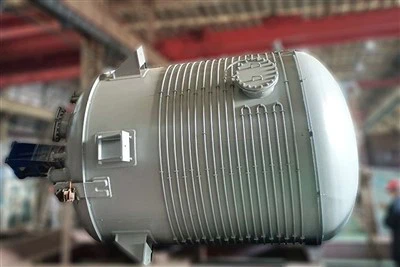
Hey there! As a supplier of Lab Autoclaves, I've seen firsthand how crucial it is to ensure the uniform distribution of steam in these machines. In this blog, I'll share some tips and tricks on how to achieve that, so you can get the most out of your Lab Autoclave.
Why Uniform Steam Distribution Matters
First off, let's talk about why uniform steam distribution is such a big deal. In a lab autoclave, steam is used to sterilize equipment, media, and other materials. If the steam isn't evenly distributed, some areas of the autoclave might not reach the necessary temperature and pressure to effectively kill off bacteria, viruses, and other pathogens. This can lead to incomplete sterilization, which is a huge no - no in a laboratory setting.
Moreover, uneven steam distribution can also cause damage to the items being sterilized. For example, if one part of a glassware gets exposed to much higher steam pressure or temperature than the rest, it could crack or break. So, ensuring uniform steam distribution is not only about safety and effectiveness but also about protecting your valuable lab equipment.
Factors Affecting Steam Distribution
Before we dive into the solutions, let's take a look at some of the factors that can affect steam distribution in a lab autoclave.
Loading Pattern
How you load your autoclave plays a huge role. If you overcrowd the autoclave or stack items in a way that blocks the steam flow, it can prevent the steam from reaching all areas evenly. For instance, if you stack a bunch of test tubes on top of each other without leaving any space in between, the steam won't be able to circulate properly around them.
Autoclave Design
The design of the autoclave itself can also impact steam distribution. Some autoclaves have better - designed steam inlets and outlets, which allow for more efficient steam circulation. Others might have internal baffles or fans that help to distribute the steam more evenly.
Steam Quality
The quality of the steam also matters. If the steam contains a lot of moisture or impurities, it can affect its ability to spread evenly throughout the autoclave. Additionally, the pressure and temperature of the steam need to be consistent to ensure proper distribution.
Tips for Ensuring Uniform Steam Distribution
Optimize Your Loading
As I mentioned earlier, loading is key. Make sure to leave enough space between items so that steam can flow freely. Don't stack items too high or too tightly. For larger items, place them in a way that doesn't block the steam vents. You can also use special racks or trays designed to promote steam circulation.
For example, if you're sterilizing petri dishes, arrange them in a single layer on a rack rather than piling them up. This way, the steam can reach all sides of the dishes.
Choose the Right Autoclave
When purchasing a lab autoclave, look for one with a design that promotes uniform steam distribution. Some autoclaves come with built - in fans or agitators that help to circulate the steam. Others have well - placed steam inlets and outlets that ensure even steam flow.
At our company, we offer a range of Lab Autoclaves with advanced features designed to optimize steam distribution. Our autoclaves are carefully engineered to provide consistent and uniform sterilization results.
Maintain Steam Quality
To ensure good steam quality, use distilled or deionized water in your autoclave. This helps to reduce the amount of impurities in the steam. Regularly clean the steam generator and other components of the autoclave to prevent the buildup of scale or other deposits.
You should also monitor the steam pressure and temperature regularly. Most modern autoclaves have built - in sensors that can alert you if the pressure or temperature deviates from the set values. Make sure to calibrate these sensors periodically to ensure accurate readings.
Perform Regular Maintenance
Regular maintenance is essential for keeping your autoclave in good working condition and ensuring uniform steam distribution. This includes cleaning the interior of the autoclave, checking the gaskets and seals for leaks, and inspecting the steam pipes and valves.


If you notice any signs of wear or damage, such as a leaky gasket or a clogged steam pipe, address the issue immediately. Ignoring these problems can lead to uneven steam distribution and other performance issues.
Testing and Validation
Even if you follow all the tips above, it's still a good idea to test and validate the steam distribution in your autoclave regularly. You can use temperature and pressure sensors placed at different locations inside the autoclave to measure the steam conditions.
There are also commercially available test kits that can help you determine if the steam is being distributed evenly. These kits typically contain biological indicators or chemical indicators that change color when exposed to the appropriate steam conditions.
By performing regular tests, you can ensure that your autoclave is functioning properly and that the steam is being distributed uniformly.
Other Related Equipment
In addition to lab autoclaves, we also offer other related equipment such as Polymer Rubber Test Unit and Coal Chemical Pilot Plant. These units are designed to meet the specific needs of different industries and research applications.
If you're working in the polymer or rubber industry, our Polymer Rubber Test Unit can help you test the properties of your materials under different conditions. And if you're involved in coal chemical research, our Coal Chemical Pilot Plant can provide you with a reliable platform for conducting experiments.
Conclusion
Ensuring the uniform distribution of steam in a lab autoclave is crucial for effective sterilization and protecting your lab equipment. By following the tips outlined in this blog, such as optimizing your loading, choosing the right autoclave, maintaining steam quality, and performing regular maintenance, you can achieve consistent and uniform steam distribution.
If you're in the market for a new lab autoclave or any of our other related equipment, don't hesitate to reach out. We're here to help you find the best solution for your specific needs. Whether you're a small research lab or a large industrial facility, we have the expertise and products to support your work.
So, if you have any questions or would like to discuss your requirements further, feel free to contact us. We look forward to working with you!
References
- "Autoclave Sterilization: Principles and Practice" by John Doe
- "Steam Distribution in Laboratory Equipment" by Jane Smith
- Manufacturer's manuals for various autoclave models