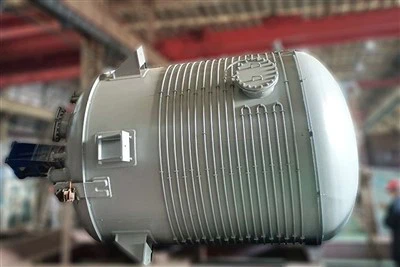
When it comes to choosing storage vessels, there are a bunch of comparison criteria that you really need to take into account. As a storage vessel supplier, I've seen firsthand how crucial it is to make the right choice. So, let's dive into what you should be looking at when comparing different storage vessels.
Capacity
One of the most obvious criteria is capacity. You gotta figure out how much stuff you need to store. Whether it's liquids, gases, or solids, the volume of your storage requirements is a key factor. If you're dealing with a small - scale operation, a smaller vessel might do the trick. But for large - scale industrial processes, you'll need something with a much bigger capacity.
For example, if you're in the chemical industry and need to store a large quantity of a specific chemical, a high - capacity storage tank would be necessary. On the other hand, if you're a small - time winemaker, a couple of medium - sized barrels could be sufficient for aging your wine. You don't want to end up with a vessel that's too small and constantly have to transfer your product, or too large and waste space and resources.
Material
The material of the storage vessel is super important. Different materials have different properties that make them suitable for different applications. Metals like stainless steel are popular because they're strong, durable, and resistant to corrosion. They can handle a wide range of temperatures and pressures, making them great for storing chemicals, food products, and even water.
However, if you're dealing with highly corrosive substances, you might need a vessel made of materials like fiberglass - reinforced plastic (FRP). FRP is lightweight, corrosion - resistant, and can be customized to fit your specific needs. Ceramics are also an option for storing certain types of acids or substances that require high - temperature resistance.
Pressure and Temperature Resistance
If your stored product is under pressure or at extreme temperatures, the vessel needs to be able to handle it. Pressure vessels, for instance, are designed to withstand internal or external pressure. They're commonly used in industries such as oil and gas, where substances are often stored and transported under high pressure.
Temperature is another critical factor. Some substances need to be stored at low temperatures, like liquefied natural gas (LNG). In this case, the storage vessel must have proper insulation to maintain the low temperature. On the other hand, if you're storing hot liquids or gases, the vessel needs to be able to handle the high temperature without deforming or losing its integrity.
Shape and Design
The shape and design of the storage vessel can also impact its functionality. Vertical vessels are great when you have limited floor space. They can be installed in areas where horizontal vessels won't fit. Horizontal vessels, on the other hand, are often easier to install and maintain, especially when it comes to accessing the interior for cleaning or repairs.
The design of the vessel can also include features like baffles, which help to prevent sloshing in liquid storage vessels. This is important for safety and stability, especially during transportation. Some vessels may also have special access points or ports for filling, draining, and monitoring the contents.
Cost
Let's face it, cost is always a consideration. You need to balance the upfront cost of purchasing the storage vessel with its long - term benefits. A cheaper vessel might seem like a good deal at first, but if it requires frequent maintenance or has a short lifespan, it could end up costing you more in the long run.
On the other hand, a high - end, custom - made vessel might be expensive upfront, but it could save you money over time by reducing the need for repairs and replacements. You also need to factor in the cost of installation, transportation, and any additional equipment or accessories that might be required.
Safety Features
Safety should never be compromised. Storage vessels should have appropriate safety features such as pressure relief valves, which prevent the vessel from over - pressurizing. These valves are designed to open and release pressure when it reaches a certain level, protecting the vessel from damage and preventing potential explosions.
Level indicators are also important, especially for liquid storage vessels. They allow you to monitor the amount of liquid in the vessel and prevent over - filling, which can lead to spills and other safety hazards. Additionally, some vessels may have fire - resistant coatings or other safety mechanisms to protect against fires and other emergencies.
Compatibility with Stored Product
The vessel must be compatible with the product it's storing. This means that the material of the vessel shouldn't react with the stored substance. For example, if you're storing a strong acid, a vessel made of a material that's resistant to acid corrosion is essential.
If the stored product is a food item, the vessel must meet food - grade standards. This ensures that the product remains safe for consumption and doesn't get contaminated by the vessel material. Compatibility also extends to the temperature and pressure requirements of the stored product, as mentioned earlier.
Ease of Maintenance
Maintenance is an ongoing part of owning a storage vessel. You want a vessel that's easy to clean, inspect, and repair. Vessels with smooth interiors are generally easier to clean, as there are fewer places for dirt and debris to accumulate.
Access points should be well - designed and easy to reach, allowing maintenance personnel to enter the vessel for inspections and repairs. Additionally, the availability of replacement parts is important. If a part breaks, you want to be able to quickly and easily find a replacement to minimize downtime.
Regulatory Compliance
Storage vessels need to comply with various regulations and standards. These regulations are in place to ensure safety, environmental protection, and quality control. Depending on your industry and location, you may need to follow specific codes and standards for the design, construction, and operation of your storage vessel.
For example, in the United States, the American Society of Mechanical Engineers (ASME) has standards for pressure vessels. Failure to comply with these regulations can result in fines, legal issues, and even shutdowns of your operations. So, make sure any vessel you consider meets all the relevant regulatory requirements.
Examples of Different Storage Vessels
There are many types of storage vessels available in the market. For example, a Stripping Tower is used in the chemical and petrochemical industries to separate components from a liquid mixture. It works by using a stripping agent to remove the desired component from the liquid.


A Fixed Tube Sheet Heat Exchanger is another type of vessel that's used to transfer heat between two fluids. It consists of a bundle of tubes enclosed in a shell, and the heat is transferred through the tube walls.
A Filter Tower is used to remove impurities from a liquid or gas stream. It contains a filter medium that traps the impurities, allowing the clean fluid to pass through.
In conclusion, choosing the right storage vessel is a complex decision that involves considering multiple comparison criteria. As a storage vessel supplier, I'm here to help you make the best choice for your specific needs. Whether you're a small business or a large - scale industrial operation, we can provide you with high - quality storage vessels that meet all your requirements.
If you're interested in learning more about our storage vessels or would like to discuss your specific needs, feel free to reach out to us. We're ready to have a detailed discussion and work with you to find the perfect storage solution.
References
- ASME Boiler and Pressure Vessel Code
- Industry standards for chemical storage vessels
- Guidelines for food - grade storage vessels