


Pressure vessels are essential components in various industries, playing a crucial role in processes that involve the storage and handling of fluids under pressure. As a leading pressure vessels supplier, I have witnessed firsthand the diverse applications and significance of these vessels. In this blog, I will delve into the working principle of pressure vessels, exploring how they function and the key factors that ensure their safe and efficient operation.
Basic Definition and Types of Pressure Vessels
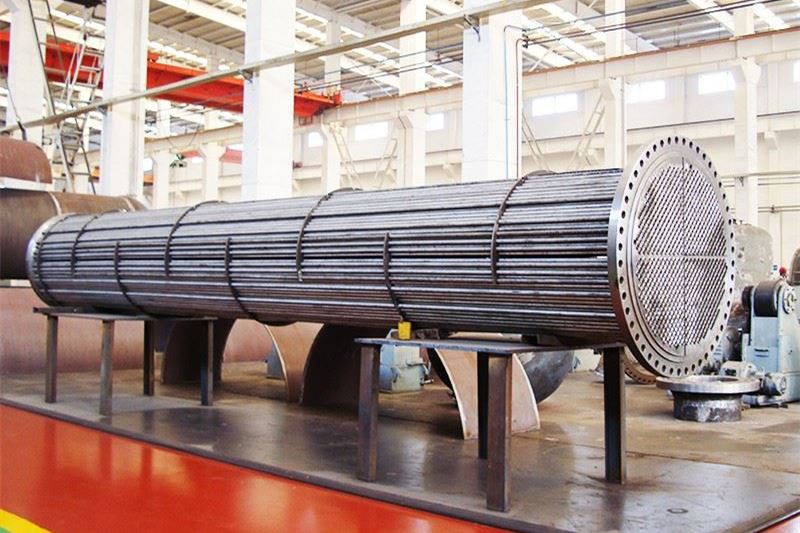
A pressure vessel is a closed container designed to hold gases or liquids at a pressure substantially different from the ambient pressure. The design and construction of pressure vessels are governed by strict codes and standards to ensure their safety. There are several types of pressure vessels, each tailored to specific applications. For instance, Stripping Tower is used in the separation of components in a liquid mixture by contacting it with a gas stream. The Absorption Tower is employed to remove specific components from a gas stream by absorbing them into a liquid solvent. Another common type is the Fixed Tube Sheet Heat Exchanger, which transfers heat between two fluids while maintaining a pressure difference between them.
Working Principle of Pressure Vessels
The fundamental working principle of pressure vessels is based on the laws of thermodynamics and fluid mechanics. When a fluid is contained within a pressure vessel, it exerts a force on the walls of the vessel due to its pressure. This force is distributed evenly over the internal surface of the vessel, and the vessel must be designed to withstand this pressure without failure.
Pressure Generation
The pressure inside a vessel can be generated in several ways. In some cases, the fluid is introduced into the vessel at a high pressure. For example, in a gas storage vessel, compressed gas is pumped into the vessel until the desired pressure is reached. In other situations, pressure can be generated by a chemical reaction or a change in temperature. For instance, in a steam boiler, water is heated to produce steam, which creates pressure inside the vessel.
Pressure Containment
Once the pressure is generated, the vessel must contain it safely. The vessel's walls are designed to resist the internal pressure and prevent leakage. The thickness of the walls is determined by factors such as the maximum operating pressure, the diameter of the vessel, and the material used. High - strength materials like carbon steel, stainless steel, and alloy steel are commonly used in pressure vessel construction to ensure adequate strength and durability.
Pressure Regulation
To ensure the safe operation of pressure vessels, it is essential to regulate the pressure inside them. Pressure relief devices, such as safety valves, are installed on the vessel. These valves are designed to open automatically when the pressure inside the vessel exceeds a pre - set limit, allowing the excess fluid to escape and reducing the pressure to a safe level. Additionally, pressure gauges are used to monitor the pressure inside the vessel continuously, providing operators with real - time information about the vessel's operating conditions.
Factors Affecting the Working of Pressure Vessels
Several factors can affect the working of pressure vessels, and it is crucial to consider these factors during the design, operation, and maintenance of the vessels.
Material Selection
The choice of material for a pressure vessel is critical. Different materials have different mechanical properties, corrosion resistance, and temperature limits. For example, stainless steel is often used in applications where corrosion resistance is required, such as in the food and beverage industry or in chemical processing plants. The material must also be able to withstand the operating temperature and pressure of the vessel without undergoing significant deformation or failure.
Temperature
Temperature has a significant impact on the performance of pressure vessels. As the temperature of the fluid inside the vessel increases, the pressure also tends to increase. Moreover, high temperatures can affect the mechanical properties of the vessel material, reducing its strength and increasing the risk of failure. Therefore, proper insulation and temperature control measures are necessary to ensure that the vessel operates within its safe temperature range.
Corrosion
Corrosion is a major concern in pressure vessel operation. The presence of corrosive substances in the fluid can cause the vessel walls to thin over time, reducing their strength and increasing the risk of leakage or rupture. To prevent corrosion, vessels can be coated with protective materials or made from corrosion - resistant alloys. Regular inspection and maintenance are also essential to detect and address any signs of corrosion early.
Safety Considerations in Pressure Vessel Operation
Safety is of utmost importance when it comes to pressure vessels. Any failure of a pressure vessel can have serious consequences, including explosions, fires, and the release of hazardous substances. Therefore, strict safety measures must be implemented throughout the life cycle of the vessel.
Design and Construction
During the design and construction phase, pressure vessels must comply with relevant codes and standards. These codes specify the minimum requirements for vessel design, material selection, fabrication, and testing. For example, the American Society of Mechanical Engineers (ASME) Boiler and Pressure Vessel Code provides comprehensive guidelines for the design, construction, and inspection of pressure vessels.
Installation and Commissioning
Proper installation and commissioning of pressure vessels are crucial for their safe operation. The vessel must be installed on a stable foundation, and all connections must be properly tightened to prevent leakage. Before putting the vessel into service, it must undergo a series of tests, including hydrostatic testing, to ensure its integrity.

Operation and Maintenance
During operation, operators must follow strict operating procedures and safety protocols. Regular maintenance, including inspection, cleaning, and repair, is necessary to ensure the continued safe operation of the vessel. Non - destructive testing methods, such as ultrasonic testing and radiography, can be used to detect internal defects in the vessel walls without damaging the vessel.
Applications of Pressure Vessels
Pressure vessels are used in a wide range of industries, including oil and gas, chemical processing, power generation, food and beverage, and pharmaceuticals.
In the oil and gas industry, pressure vessels are used for storing and transporting crude oil, natural gas, and refined products. They are also used in refineries for various processing operations, such as distillation and cracking.
In the chemical processing industry, pressure vessels play a vital role in chemical reactions, separation processes, and storage of chemicals. For example, in a chemical reactor, the pressure vessel provides a controlled environment for chemical reactions to take place under specific temperature and pressure conditions.
In the power generation industry, pressure vessels are used in steam boilers, condensers, and nuclear reactors. Steam boilers generate high - pressure steam, which is used to drive turbines and generate electricity.
Our Role as a Pressure Vessels Supplier
As a pressure vessels supplier, we are committed to providing high - quality vessels that meet the specific needs of our customers. We have a team of experienced engineers and technicians who are well - versed in pressure vessel design, fabrication, and testing. We use state - of - the - art manufacturing facilities and advanced technologies to ensure the accuracy and quality of our products.
We offer a wide range of pressure vessels, including Stripping Tower, Absorption Tower, and Fixed Tube Sheet Heat Exchanger. Our vessels are designed and manufactured in accordance with international standards, ensuring their safety and reliability.
We also provide comprehensive after - sales service, including installation, commissioning, and maintenance support. Our goal is to establish long - term partnerships with our customers by providing them with high - quality products and excellent service.
Conclusion
Pressure vessels are complex and critical components in many industries. Understanding their working principle is essential for ensuring their safe and efficient operation. By considering factors such as material selection, temperature, and corrosion, and implementing strict safety measures, we can minimize the risks associated with pressure vessel operation.
If you are in need of pressure vessels for your industrial applications, we invite you to contact us for a detailed discussion. Our team of experts will work closely with you to understand your requirements and provide you with the best - suited solutions. Whether you need a standard pressure vessel or a custom - designed one, we have the expertise and resources to meet your needs.
References
- American Society of Mechanical Engineers (ASME). Boiler and Pressure Vessel Code.
- Perry, R. H., & Green, D. W. (Eds.). Perry's Chemical Engineers' Handbook.
- Sinnott, R. K. (Ed.). Coulson & Richardson's Chemical Engineering.


