


Can storage vessels be used in the food industry? What special requirements are there?
As a supplier of storage vessels, I often get asked whether our products can be used in the food industry and what special requirements this sector has. In this blog post, I'll delve into these questions to provide a comprehensive understanding.
Can Storage Vessels Be Used in the Food Industry?
The answer is a resounding yes. Storage vessels play a crucial role in the food industry. They are used for a variety of purposes, from storing raw materials such as grains, fruits, and vegetables to holding processed food products like sauces, beverages, and dairy items. These vessels ensure the safety and quality of food products during storage and transportation, helping to maintain their freshness and nutritional value.
For instance, in the dairy industry, storage vessels are used to store milk at the right temperature to prevent spoilage. In the beverage industry, they are used to hold fruit juices, soft drinks, and alcoholic beverages before bottling or canning. In the baking industry, storage vessels are used to store flour, sugar, and other ingredients.
Special Requirements for Storage Vessels in the Food Industry
Material Selection
One of the most critical requirements for storage vessels in the food industry is the choice of materials. The materials used must be non - toxic and food - grade. Stainless steel is a popular choice due to its corrosion resistance, durability, and ease of cleaning. It does not react with food products, ensuring that there is no contamination. Other materials like glass and certain types of plastics that meet food safety standards can also be used, especially for smaller - scale storage or packaging.
Hygiene and Cleanability
Maintaining high levels of hygiene is essential in the food industry. Storage vessels must be designed for easy cleaning and sanitization. Smooth surfaces are preferred as they prevent the accumulation of food residues and bacteria. Vessels should also have features such as access ports and manholes that allow for thorough cleaning from the inside. Regular cleaning and disinfection procedures are necessary to prevent the growth of harmful microorganisms.
Temperature and Pressure Control
Many food products require specific temperature and pressure conditions during storage. For example, frozen foods need to be stored at low temperatures to maintain their quality. Storage vessels used for these products must be well - insulated and equipped with temperature control systems. Some food processes, such as fermentation, also require specific pressure conditions. Vessels used in such processes must be able to withstand the required pressure and have proper pressure - regulating mechanisms.
Compliance with Regulations
The food industry is highly regulated, and storage vessels must comply with various national and international standards. In the United States, the Food and Drug Administration (FDA) sets strict guidelines for food - contact materials. In the European Union, the European Food Safety Authority (EFSA) has similar regulations. These regulations cover aspects such as material safety, labeling, and manufacturing processes. Our storage vessels are designed and manufactured to meet these regulatory requirements, ensuring that our customers can use them with confidence in the food industry.
Design and Construction
The design of storage vessels in the food industry is also important. They should be designed to minimize the risk of product contamination and to facilitate efficient filling, storage, and emptying. For example, vessels should have proper drainage systems to prevent the accumulation of water or food residues. The construction should be robust to withstand the mechanical stresses associated with handling and transportation.
Our Range of Storage Vessels for the Food Industry
We offer a wide range of storage vessels suitable for the food industry. Our vessels are made from high - quality food - grade stainless steel, ensuring maximum safety and durability. They are designed with smooth interiors and easy - to - clean features, making them ideal for maintaining high levels of hygiene.
We also provide vessels with advanced temperature and pressure control systems. Whether you need to store chilled products or carry out high - pressure food processes, our vessels can be customized to meet your specific requirements.

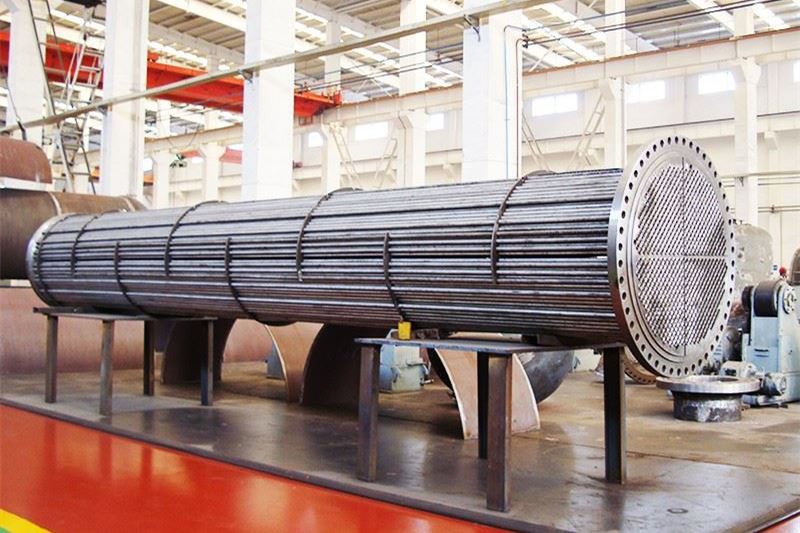
In addition to standard storage vessels, we also offer related products such as Absorption Tower, Fixed Tube Sheet Heat Exchanger, and Stripping Tower. These products can be integrated into your food processing and storage systems to enhance efficiency and product quality.
Why Choose Our Storage Vessels?
- Quality Assurance: We have a strict quality control system in place to ensure that all our storage vessels meet the highest standards. Each vessel undergoes rigorous testing before leaving our factory.
- Customization: We understand that different food industry customers have different needs. That's why we offer customized solutions to meet your specific requirements, whether it's the size, shape, or functionality of the vessel.
- Technical Support: Our team of experts is always ready to provide you with technical support and advice. Whether you need help with installation, operation, or maintenance, we are here to assist you.
- Competitive Pricing: We offer our high - quality storage vessels at competitive prices, providing you with excellent value for your money.
Contact Us for Purchase and Negotiation
If you are in the food industry and are looking for reliable storage vessels, we would love to hear from you. Our products are designed to meet the special requirements of the food industry, ensuring the safety and quality of your food products. Whether you need a single storage vessel or a complete storage solution, we can provide you with the right products and services.
Contact us today to start the purchase negotiation process. Our sales team will be happy to discuss your needs, provide you with detailed product information, and offer you a competitive quote.
References
- Food and Drug Administration (FDA). (2023). Regulations on food - contact materials.
- European Food Safety Authority (EFSA). (2023). Guidelines for food safety in storage and processing.
- Stainless Steel Institute. (2023). Properties and applications of stainless steel in the food industry.


