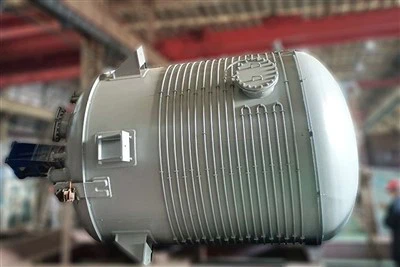
Hey there! As a supplier of Scrubber Towers, I often get asked about the emergency shutdown procedure for these essential pieces of equipment. In this blog, I'll walk you through what that process looks like, why it's crucial, and some key points to keep in mind.
Why an Emergency Shutdown Procedure is Needed
First off, let's talk about why we even need an emergency shutdown procedure. Scrubber Towers are used in a variety of industries, like chemical processing, power generation, and wastewater treatment. They're designed to remove harmful pollutants from gas streams, making the air safer and cleaner. But sometimes, things can go wrong. There could be a sudden spike in pressure, a leak, or a malfunction in one of the components. That's when an emergency shutdown becomes necessary to prevent further damage, protect the environment, and most importantly, keep people safe.
Step-by-Step Emergency Shutdown Procedure
Step 1: Identify the Emergency
The first thing you need to do is figure out what's going on. This could be anything from a visual inspection (like seeing a leak) to an alarm going off on the control panel. If you notice something abnormal, don't ignore it. Take a moment to assess the situation and determine if an emergency shutdown is required.


Step 2: Notify the Relevant Personnel
Once you've identified the emergency, it's time to let the right people know. This might include your supervisor, the maintenance team, or even the safety officer. Everyone needs to be aware of what's happening so they can take appropriate action.
Step 3: Isolate the Scrubber Tower
The next step is to isolate the scrubber tower from the rest of the system. This means shutting off the inlet and outlet valves to prevent any more gas or liquid from entering or leaving the tower. You might also need to disconnect any power sources to the tower to avoid electrical hazards.
Step 4: Depressurize the Tower
If there's a pressure issue, you'll need to depressurize the tower. This can be done by slowly opening a pressure relief valve or venting the gas to a safe location. Make sure to follow the manufacturer's instructions and safety guidelines when doing this.
Step 5: Drain the Liquid
If there's liquid in the tower, you'll need to drain it. This can help prevent further damage to the tower and reduce the risk of a spill. Again, follow the manufacturer's instructions on how to drain the liquid safely.
Step 6: Monitor the Situation
Even after you've completed the shutdown procedure, it's important to keep an eye on the situation. Check the tower regularly for any signs of further problems, like leaks or pressure buildup. Make sure to document everything that happens during the emergency shutdown for future reference.
Comparing with Other Equipment
It's also interesting to compare the emergency shutdown procedure of a Scrubber Tower with other similar equipment, like an Absorption Tower, a Reactor, or a Stripping Tower. While the basic principles are similar, there are some differences in the details.
For example, an Absorption Tower is used to absorb a specific component from a gas stream. In an emergency, you might need to focus on preventing the release of the absorbed component. A Reactor, on the other hand, is used to carry out chemical reactions. An emergency shutdown here might involve stopping the reaction and preventing any dangerous by-products from being produced. A Stripping Tower is used to remove a component from a liquid stream. The emergency shutdown procedure for a Stripping Tower might involve isolating the tower and draining the liquid to prevent a spill.
Tips for a Successful Emergency Shutdown
- Train Your Staff: Make sure all your employees are trained on the emergency shutdown procedure. They should know what to do in case of an emergency and how to do it safely.
- Have a Plan in Place: Develop a detailed emergency shutdown plan and make sure everyone has access to it. The plan should include step-by-step instructions, contact information, and safety guidelines.
- Regular Maintenance: Keep your Scrubber Tower in good condition by performing regular maintenance. This can help prevent emergencies from happening in the first place.
- Test Your Emergency Shutdown Procedure: Conduct regular drills to test your emergency shutdown procedure. This can help identify any areas that need improvement and ensure that everyone knows what to do in a real emergency.
Conclusion
So, there you have it - the emergency shutdown procedure for a Scrubber Tower. It's a crucial process that can help prevent damage, protect the environment, and keep people safe. If you're in the market for a Scrubber Tower or need more information about our products, don't hesitate to reach out. We're here to help you find the right solution for your needs. Whether you're in the chemical industry, power generation, or wastewater treatment, we have the expertise and experience to provide you with a high-quality Scrubber Tower. Contact us today to start the conversation and let's work together to make your operations safer and more efficient.
References
- Chemical Engineering Handbook
- Manufacturer's Manuals for Scrubber Towers
- Industry Safety Standards and Guidelines