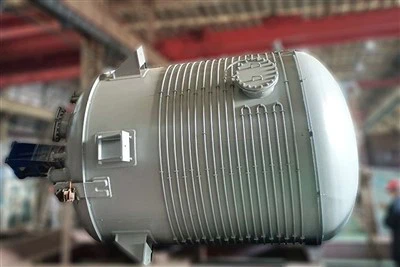
Hey there! I'm here to chat with you about what a lab autoclave is. As a supplier of lab autoclaves, I've got a good deal of knowledge about these nifty pieces of equipment, and I'm stoked to share it with you.
First off, let's break down what a lab autoclave actually is. Simply put, it's a machine that uses steam under pressure to sterilize equipment and supplies. This is super important in a lab setting because it helps prevent the spread of bacteria, viruses, and other pathogens that could mess up experiments or cause infections.
You might be wondering, "Why use steam under pressure?" Well, steam is an excellent sterilizing agent because it can penetrate materials easily and kill microorganisms effectively. By increasing the pressure inside the autoclave, we can raise the temperature of the steam above its normal boiling point of 100°C (212°F). This higher temperature allows for faster and more thorough sterilization.
Most lab autoclaves operate at a pressure of around 15 pounds per square inch (psi) above atmospheric pressure, which corresponds to a temperature of about 121°C (250°F). At this temperature, most common bacteria, fungi, and viruses are killed within 15 to 30 minutes. Some autoclaves can even reach higher pressures and temperatures for more stubborn pathogens or to sterilize certain types of materials more quickly.
There are different types of lab autoclaves out there, each designed for specific purposes. For example, there are gravity displacement autoclaves, which are the most common type. They work by using gravity to remove air from the chamber before steam is introduced. As the steam enters, it pushes the remaining air out through a drain. These autoclaves are great for sterilizing general lab equipment, glassware, and media.
Then there are prevacuum autoclaves. These are a bit more advanced and use a vacuum pump to remove air from the chamber before steam is added. This ensures a more complete removal of air, which allows the steam to penetrate the materials more effectively. Prevacuum autoclaves are often used for sterilizing porous materials, such as surgical instruments and textiles, where air pockets could prevent proper sterilization.
Another type is the steam-flush pressure-pulse (SFPP) autoclave. This type uses a series of steam flushes and pressure pulses to remove air from the chamber. It's a good option for sterilizing items that are sensitive to high temperatures or for those that need to be sterilized quickly.
Now, let's talk about some of the key features you might want to look for in a lab autoclave. One important feature is a reliable control system. This allows you to set the temperature, pressure, and time for the sterilization cycle. Some autoclaves even come with programmable cycles, so you can save your most commonly used settings for easy access.
A good autoclave should also have safety features. For example, it should have a pressure relief valve to prevent the pressure from getting too high. There should also be a door interlock system that prevents the door from being opened while the autoclave is under pressure. This helps protect the user from steam burns and other potential hazards.


In addition, the autoclave should have a good chamber design. It should be made of high-quality materials that can withstand the high temperatures and pressures. The chamber should also be easy to clean to prevent the buildup of dirt and debris, which could affect the sterilization process.
So, where are lab autoclaves used? Well, they're a staple in many different types of labs. In medical and dental labs, they're used to sterilize surgical instruments, dental tools, and other equipment to prevent the spread of infections. In research labs, they're used to sterilize culture media, glassware, and other materials needed for experiments.
They're also used in the food and beverage industry to sterilize packaging materials and equipment. This helps ensure the safety and quality of the products. And in pharmaceutical labs, autoclaves are used to sterilize drugs, vaccines, and other medical products before they're distributed.
As a lab autoclave supplier, I know that choosing the right autoclave for your needs can be a bit overwhelming. That's why we offer a wide range of autoclaves to suit different budgets and requirements. Whether you're a small research lab or a large industrial facility, we've got an autoclave that's right for you.
If you're involved in related fields, you might also be interested in some of the other products we deal with. For instance, we have the Coal Chemical Pilot Plant, which is great for testing and developing new processes in the coal chemical industry. There's also the Polymer Rubber Test Unit, useful for studying and improving polymer and rubber materials. And if you're into hydrogenation processes, our Hydrogenation Test Unit could be just what you need.
We understand that investing in a lab autoclave is a big decision, and you want to make sure you're getting the best value for your money. That's why we provide excellent customer service and support. Our team of experts can help you choose the right autoclave, install it, and train your staff on how to use it properly.
If you're in the market for a lab autoclave or have any questions about our products, don't hesitate to reach out. We're here to help you find the perfect solution for your lab's sterilization needs. Just get in touch with us, and we can start a conversation about your requirements and see how we can assist you.
In conclusion, a lab autoclave is an essential piece of equipment in many labs. It provides a reliable and effective way to sterilize equipment and materials, helping to ensure the safety and success of your experiments and operations. So, if you're looking for a high-quality lab autoclave, give us a shout. We're ready to help you make the right choice.
References
- "Sterilization and Disinfection in the Laboratory." Clinical Microbiology Procedures Handbook. ASM Press.
- "Autoclaves: Principles and Practice." Laboratory Equipment and Supply Catalog.
So, what are you waiting for? Contact us today to start the conversation about your lab autoclave needs!