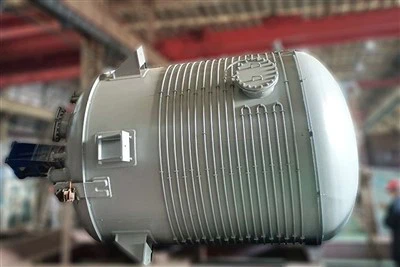
Safety Precautions When Using a Drying Tower
As a supplier of drying towers, I understand the importance of safety when it comes to operating these essential pieces of equipment. Drying towers are widely used in various industries, including chemical processing, pharmaceuticals, and food production, to remove moisture from gases or liquids. However, like any industrial equipment, they can pose significant risks if not used correctly. In this blog post, I will outline some of the key safety precautions that should be taken when using a drying tower.


Pre - operation Checks
Before starting the drying tower, a thorough pre - operation check is essential. This includes inspecting the physical condition of the tower. Check for any signs of corrosion, cracks, or damage to the tower walls, pipes, and valves. Corrosion can weaken the structure of the tower, leading to potential leaks or even collapse. Cracks and damaged components can also cause safety hazards, such as gas or liquid leaks.
Verify that all the instruments and control systems are functioning properly. This includes temperature sensors, pressure gauges, and flow meters. Malfunctioning instruments can lead to incorrect readings, which may result in improper operation of the drying tower. For example, if the temperature sensor is not working correctly, the tower may overheat, causing damage to the product being dried or even posing a fire risk.
Ensure that all the connections, such as pipe joints and flange connections, are tight. Loose connections can lead to leaks, which can be dangerous, especially if the substances being processed are toxic, flammable, or corrosive. Additionally, check the seals around the tower to prevent any external air or moisture from entering the system.
Operator Training
Proper operator training is crucial for the safe use of a drying tower. Operators should be trained on the specific operation procedures of the drying tower they are using. This includes how to start and stop the tower, how to adjust the operating parameters such as temperature, pressure, and flow rate, and how to respond to emergency situations.
Training should also cover the safety features of the drying tower. For example, operators should know how to use the emergency shutdown system in case of a problem. They should be aware of the location and function of safety valves, which are designed to relieve excess pressure and prevent the tower from exploding.
Furthermore, operators should be educated on the potential hazards associated with the substances being processed in the drying tower. If the substances are toxic, they should know how to handle them safely, including wearing appropriate personal protective equipment (PPE) such as gloves, goggles, and respirators.
Ventilation
Adequate ventilation is essential when using a drying tower. During the drying process, various gases and vapors may be released. These gases can be harmful if inhaled, and some may even be explosive. Proper ventilation helps to remove these gases from the work area, reducing the risk of exposure to operators.
The ventilation system should be designed to handle the volume of gases and vapors produced by the drying tower. It should be regularly inspected and maintained to ensure its effectiveness. Blocked or damaged ventilation ducts can reduce the ventilation efficiency, leading to a buildup of hazardous gases in the work area.
Temperature and Pressure Control
Maintaining proper temperature and pressure is critical for the safe operation of a drying tower. Excessive temperature can cause thermal degradation of the product being dried, and it can also increase the risk of fire or explosion, especially if the substances are flammable. On the other hand, too low a temperature may result in incomplete drying, affecting the quality of the product.
Similarly, over - pressure can cause the tower to rupture or explode. Safety valves should be installed to automatically relieve excess pressure. Operators should closely monitor the temperature and pressure gauges during the operation of the drying tower and make adjustments as necessary. If the temperature or pressure exceeds the safe operating limits, the tower should be shut down immediately.
Fire Prevention
Fire is a significant risk when using a drying tower, especially if the substances being dried are flammable. To prevent fires, the drying tower should be located in a well - ventilated area away from sources of ignition. Flammable substances should be stored and handled properly, and smoking or open flames should be prohibited in the vicinity of the tower.
Fire suppression systems, such as sprinklers or fire extinguishers, should be installed in the area around the drying tower. Operators should be trained on how to use these fire suppression systems in case of a fire. Additionally, regular fire drills should be conducted to ensure that all employees know how to respond in case of a fire emergency.
Maintenance and Inspection
Regular maintenance and inspection of the drying tower are essential for its safe operation. This includes routine cleaning of the tower to remove any accumulated debris or contaminants. Debris can block the flow of gases or liquids in the tower, affecting its performance and potentially causing safety hazards.
Inspect the internal components of the tower, such as the packing material, for wear and tear. Worn - out packing material can reduce the efficiency of the drying process and may also cause problems with the flow distribution in the tower. Replace any damaged or worn - out components promptly.
In addition to regular in - house maintenance, it is recommended to have the drying tower inspected by a professional at least once a year. A professional inspection can identify potential problems that may not be obvious during routine checks and ensure that the tower is in compliance with all relevant safety standards.
Emergency Preparedness
Despite all the safety precautions, emergencies can still occur. Therefore, it is essential to have an emergency preparedness plan in place. The plan should include procedures for evacuating the area in case of a fire, explosion, or toxic gas leak. It should also outline how to respond to equipment failures, such as a sudden loss of pressure or temperature control.
Emergency exits should be clearly marked, and there should be sufficient emergency lighting in case of a power outage. First - aid kits should be readily available in the work area, and operators should be trained in basic first - aid procedures.
Related Equipment Safety
Drying towers are often part of a larger industrial process and may be connected to other equipment such as Stripping Tower, Scrubber Tower, and Storage Vessel. The safety of these related equipment is also important for the overall safety of the drying tower operation.
For example, if the stripping tower is not functioning properly, it may affect the quality of the feed to the drying tower. Similarly, a malfunctioning scrubber tower may not be able to remove harmful substances from the exhaust gases, which can pose a risk to the environment and the operators. The storage vessel should be properly maintained to prevent leaks and ensure the safe storage of the substances being processed.
Conclusion
In conclusion, the safe use of a drying tower requires a combination of pre - operation checks, operator training, proper ventilation, temperature and pressure control, fire prevention, maintenance and inspection, and emergency preparedness. By following these safety precautions, the risks associated with using a drying tower can be significantly reduced.
If you are considering purchasing a drying tower or need more information about the safety aspects of our drying towers, we encourage you to contact us for a detailed discussion. Our team of experts is ready to assist you in finding the right drying tower solution for your specific needs and ensuring that you can operate it safely and efficiently.
References
- Perry, R. H., & Green, D. W. (Eds.). (2008). Perry's Chemical Engineers' Handbook. McGraw - Hill.
- Crowl, D. A., & Louvar, J. F. (2002). Chemical Process Safety: Fundamentals with Applications. Prentice Hall.
- Occupational Safety and Health Administration (OSHA). Various safety standards related to industrial equipment operation.