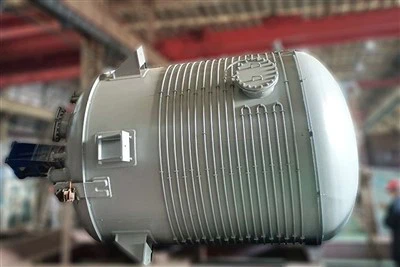
Hey there! As a pressure vessels supplier, I've been getting a lot of questions lately about the fire-resistant coating requirements for pressure vessels. So, I thought I'd put together this blog post to share some insights on this important topic.
Why Fire-Resistant Coatings Matter for Pressure Vessels
First off, let's talk about why fire-resistant coatings are such a big deal for pressure vessels. Pressure vessels are used in a wide range of industries, from oil and gas to chemical processing. These vessels often contain flammable or combustible substances, and in the event of a fire, they can be at high risk of failure. A fire-resistant coating acts as a protective barrier, helping to prevent the vessel from reaching critical temperatures and potentially exploding or releasing hazardous materials.
Key Requirements for Fire-Resistant Coatings
1. Fire Rating
One of the most important requirements for a fire-resistant coating is its fire rating. This rating indicates how long the coating can withstand exposure to fire before it starts to lose its integrity. Different industries and applications may have specific fire rating requirements. For example, in the oil and gas industry, a coating with a high fire rating, such as 2 hours or more, may be required for vessels located in high-risk areas.
2. Thermal Insulation
A good fire-resistant coating should also provide effective thermal insulation. When a fire breaks out, the coating needs to slow down the transfer of heat from the fire to the vessel. This helps to keep the temperature inside the vessel within safe limits and reduces the risk of damage to the vessel and its contents.


3. Adhesion and Durability
The coating must adhere well to the surface of the pressure vessel. Poor adhesion can lead to the coating peeling or flaking off during normal use or in the event of a fire, rendering it ineffective. Additionally, the coating should be durable enough to withstand the harsh environmental conditions that pressure vessels are often exposed to, such as high temperatures, chemicals, and mechanical stress.
4. Compatibility with Vessel Materials
It's crucial that the fire-resistant coating is compatible with the materials used to construct the pressure vessel. Some coatings may react with certain metals or alloys, causing corrosion or other forms of damage. Before applying a coating, it's important to conduct compatibility tests to ensure that there are no adverse reactions.
5. Regulatory Compliance
Pressure vessels are subject to various regulations and standards, and the fire-resistant coatings used on them must comply with these requirements. For example, in the United States, the American Society of Mechanical Engineers (ASME) has standards for pressure vessels, and the coatings must meet the relevant criteria. Other countries may have their own regulatory bodies and standards that need to be followed.
Different Types of Fire-Resistant Coatings
There are several types of fire-resistant coatings available for pressure vessels, each with its own advantages and disadvantages.
1. Intumescent Coatings
Intumescent coatings are popular for pressure vessels. When exposed to high temperatures, these coatings expand and form a thick, insulating char layer. This char layer acts as a barrier, protecting the vessel from the heat of the fire. Intumescent coatings are relatively easy to apply and can provide good fire protection for a reasonable cost.
2. Cementitious Coatings
Cementitious coatings are made from a mixture of cement and other additives. They are known for their high fire resistance and durability. These coatings can be applied in thick layers, providing excellent thermal insulation. However, they are heavier than intumescent coatings and may require more labor-intensive application processes.
3. Ceramic Coatings
Ceramic coatings offer high-temperature resistance and good thermal insulation properties. They are often used in applications where extreme heat resistance is required. Ceramic coatings can be more expensive than other types of coatings, but they can provide long-lasting protection for pressure vessels.
Application and Maintenance of Fire-Resistant Coatings
Applying a fire-resistant coating to a pressure vessel is a critical process that requires careful attention to detail. Here are some key points to consider:
1. Surface Preparation
Before applying the coating, the surface of the pressure vessel must be properly prepared. This typically involves cleaning the surface to remove any dirt, grease, or rust. The surface may also need to be roughened to improve the adhesion of the coating.
2. Application Method
The coating can be applied using various methods, such as spraying, brushing, or rolling. The choice of application method depends on the type of coating, the size and shape of the vessel, and the specific requirements of the project.
3. Maintenance
Regular maintenance of the fire-resistant coating is essential to ensure its continued effectiveness. This may include visual inspections to check for any signs of damage or deterioration, as well as touch-up or reapplication of the coating as needed.
Examples of Pressure Vessels and Their Coating Requirements
Let's take a look at some common types of pressure vessels and their specific fire-resistant coating requirements.
1. Absorption Tower
Absorption towers are used in many chemical processes to remove specific components from a gas stream. These towers often operate at high temperatures and may contain flammable or corrosive substances. A fire-resistant coating with a high fire rating and good chemical resistance is typically required for absorption towers.
2. Storage Vessel
Storage vessels are used to store various liquids and gases. Depending on the contents of the vessel, the fire-resistant coating requirements may vary. For example, vessels storing highly flammable liquids may need a coating with a very high fire rating and excellent thermal insulation properties.
3. U-Tube Heat Exchanger
U-tube heat exchangers are used to transfer heat between two fluids. These vessels are often exposed to high temperatures and pressure differentials. A fire-resistant coating that can withstand these conditions and provide effective thermal insulation is necessary to protect the heat exchanger in the event of a fire.
Conclusion
In conclusion, fire-resistant coatings are an essential part of ensuring the safety and reliability of pressure vessels. When choosing a coating, it's important to consider factors such as fire rating, thermal insulation, adhesion, durability, compatibility, and regulatory compliance. As a pressure vessels supplier, we understand the importance of providing high-quality vessels with the appropriate fire-resistant coatings.
If you're in the market for pressure vessels or have questions about fire-resistant coating requirements, we'd love to hear from you. Whether you need an Absorption Tower, a Storage Vessel, or a U-Tube Heat Exchanger, we can help you find the right solution for your needs. Contact us today to start the conversation and let's work together to ensure your pressure vessels are well-protected.
References
- American Society of Mechanical Engineers (ASME) standards for pressure vessels.
- Industry guidelines on fire protection for industrial equipment.