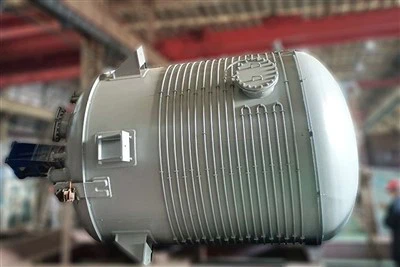
In the industrial realm, drying towers play a pivotal role in a wide range of processes, from chemical manufacturing to food processing. As a dedicated drying tower supplier, I understand the significance of optimizing the design of these essential pieces of equipment. An optimized drying tower design not only enhances efficiency but also reduces operational costs and improves product quality. In this blog post, I will share some key strategies and considerations for optimizing the design of a drying tower.
Understanding the Basics of Drying Tower Design
Before delving into optimization strategies, it's crucial to have a solid understanding of the basic components and functions of a drying tower. A typical drying tower consists of an inlet section, a drying chamber, and an outlet section. The inlet section is responsible for introducing the wet material and the drying medium, usually hot air or gas, into the tower. The drying chamber is where the actual drying process takes place, with the wet material coming into contact with the drying medium and losing moisture. The outlet section is where the dried product and the exhaust gas are separated and discharged.
The design of a drying tower is influenced by several factors, including the type of material to be dried, the required drying rate, the desired final moisture content, and the operating conditions such as temperature and pressure. By carefully considering these factors, we can tailor the design of the drying tower to meet the specific needs of each application.


Selecting the Right Drying Method
One of the first steps in optimizing the design of a drying tower is selecting the right drying method. There are several drying methods available, each with its own advantages and disadvantages. The most common drying methods used in drying towers include spray drying, fluidized bed drying, and rotary drying.
- Spray Drying: Spray drying is a widely used method for drying liquids and slurries. In this process, the liquid or slurry is atomized into small droplets and sprayed into a hot drying chamber. The droplets come into contact with the hot air or gas and quickly evaporate, leaving behind dry particles. Spray drying is known for its high drying rate, uniform particle size distribution, and ability to handle heat-sensitive materials.
- Fluidized Bed Drying: Fluidized bed drying involves suspending the wet material in a stream of hot air or gas, creating a fluidized state. The hot air or gas provides the heat and mass transfer necessary for drying. Fluidized bed drying is suitable for drying granular and powdery materials and offers good heat transfer efficiency and uniform drying.
- Rotary Drying: Rotary drying is a continuous drying process in which the wet material is fed into a rotating drum. The drum is heated externally, and the hot air or gas is passed through the drum to dry the material. Rotary drying is commonly used for drying large quantities of materials and is suitable for materials with high moisture content.
When selecting the drying method, we need to consider the properties of the material to be dried, the required drying rate, and the desired final product quality. By choosing the right drying method, we can ensure efficient and effective drying while minimizing energy consumption and product degradation.
Optimizing the Tower Geometry
The geometry of the drying tower has a significant impact on its performance. The height, diameter, and shape of the tower can affect the flow pattern of the drying medium and the residence time of the wet material in the tower. By optimizing the tower geometry, we can improve the heat and mass transfer efficiency and ensure uniform drying.
- Tower Height: The height of the drying tower is determined by the required residence time of the wet material in the tower. A taller tower provides a longer residence time, which is beneficial for materials that require a longer drying time. However, a taller tower also increases the capital cost and energy consumption. Therefore, we need to strike a balance between the tower height and the drying requirements.
- Tower Diameter: The diameter of the drying tower affects the flow rate and velocity of the drying medium. A larger diameter tower allows for a lower flow velocity, which can reduce the entrainment of fine particles and improve the separation efficiency. However, a larger diameter tower also requires more space and may increase the capital cost.
- Tower Shape: The shape of the drying tower can also influence the flow pattern and heat transfer efficiency. Common tower shapes include cylindrical, conical, and rectangular. Each shape has its own advantages and disadvantages, and the choice of shape depends on the specific application requirements.
In addition to the tower geometry, we also need to consider the design of the inlet and outlet sections. The inlet section should be designed to ensure uniform distribution of the wet material and the drying medium, while the outlet section should be designed to facilitate the separation of the dried product and the exhaust gas.
Enhancing Heat Transfer Efficiency
Heat transfer is a critical aspect of the drying process, and enhancing heat transfer efficiency is essential for optimizing the design of a drying tower. There are several ways to improve heat transfer efficiency, including using high-efficiency heat exchangers, optimizing the flow pattern of the drying medium, and reducing heat losses.
- Using High-Efficiency Heat Exchangers: Heat exchangers are used to transfer heat from the hot drying medium to the wet material. By using high-efficiency heat exchangers, such as U-Tube Heat Exchanger, we can increase the heat transfer rate and reduce the energy consumption. U-Tube heat exchangers are known for their compact design, high heat transfer efficiency, and ability to handle high temperatures and pressures.
- Optimizing the Flow Pattern of the Drying Medium: The flow pattern of the drying medium can have a significant impact on the heat transfer efficiency. By optimizing the flow pattern, we can ensure that the hot drying medium comes into contact with the wet material as effectively as possible. This can be achieved by using baffles, distributors, and other flow control devices.
- Reducing Heat Losses: Heat losses from the drying tower can significantly reduce the energy efficiency of the drying process. To minimize heat losses, we can insulate the drying tower and use heat recovery systems to capture and reuse the waste heat.
Improving Product Quality
In addition to enhancing efficiency, optimizing the design of the drying tower can also improve the quality of the dried product. By carefully controlling the drying conditions, such as temperature, humidity, and residence time, we can ensure that the dried product meets the desired specifications.
- Controlling Temperature and Humidity: The temperature and humidity of the drying medium have a direct impact on the drying rate and the quality of the dried product. By carefully controlling these parameters, we can prevent over-drying or under-drying of the material and ensure uniform drying.
- Minimizing Product Degradation: Some materials are sensitive to heat and may degrade during the drying process. To minimize product degradation, we can use low-temperature drying methods, such as vacuum drying or freeze drying, or add stabilizers and antioxidants to the material.
- Ensuring Uniform Drying: Uniform drying is essential for producing high-quality dried products. By optimizing the design of the drying tower and the flow pattern of the drying medium, we can ensure that the wet material is uniformly exposed to the hot air or gas and dried evenly.
Incorporating Auxiliary Equipment
In addition to the main components of the drying tower, incorporating auxiliary equipment can further optimize the design and performance of the drying system. Some common auxiliary equipment used in drying towers include Filter Tower, Scrubber Tower, and dust collectors.
- Filter Tower: A filter tower is used to remove dust and other particulate matter from the exhaust gas before it is discharged into the atmosphere. By using a filter tower, we can ensure compliance with environmental regulations and protect the health of workers.
- Scrubber Tower: A scrubber tower is used to remove harmful gases and pollutants from the exhaust gas. By using a scrubber tower, we can reduce the environmental impact of the drying process and improve the air quality.
- Dust Collectors: Dust collectors are used to collect and remove dust and other fine particles from the drying chamber. By using dust collectors, we can prevent the accumulation of dust in the drying tower and improve the efficiency of the drying process.
Conclusion
Optimizing the design of a drying tower is a complex process that requires careful consideration of several factors, including the drying method, tower geometry, heat transfer efficiency, product quality, and auxiliary equipment. By following the strategies and considerations outlined in this blog post, we can design and build drying towers that are efficient, reliable, and tailored to the specific needs of each application.
As a drying tower supplier, we are committed to providing our customers with high-quality drying solutions that meet their exact requirements. If you are interested in learning more about our drying towers or would like to discuss your specific application needs, please feel free to contact us. We look forward to the opportunity to work with you and help you optimize the design of your drying tower.
References
- Mujumdar, A. S. (Ed.). (2014). Handbook of industrial drying. CRC press.
- Perry, R. H., & Green, D. W. (Eds.). (2007). Perry's chemical engineers' handbook. McGraw-Hill.
- Walas, S. M. (1988). Chemical process equipment: selection and design. Butterworth-Heinemann.