


Hey there! As a supplier of lab autoclaves, I've seen firsthand how these nifty machines are the workhorses of many labs. But one issue that often pops up is overloading. You might be wondering, what's the big deal with overloading a lab autoclave? Well, let's dive right in and explore the effects it can have on an autoclave's performance.
How Overloading Affects Sterilization Efficiency
First off, let's talk about sterilization. That's the whole point of an autoclave, right? When you overload an autoclave, you're basically blocking the steam from circulating properly. Steam is the key player in the sterilization process. It penetrates the items inside the autoclave, killing off bacteria, viruses, and other nasties.
But when there's too much stuff crammed in, the steam can't reach every nook and cranny. Some areas might not get the full heat and steam exposure they need to be properly sterilized. This means there could be pockets of unsterilized materials left in your load. It's like trying to cook a big meal in a small oven with all the food piled up - some parts are going to be undercooked.
For example, if you're trying to sterilize a bunch of test tubes and you stack them too tightly, the steam might not be able to get between the tubes. As a result, the bacteria or other microorganisms on the inner surfaces of the tubes could survive. This is a huge problem, especially in a research or medical lab where contaminated materials can mess up experiments or even spread diseases.
Impact on Heating and Cooling Cycles
Overloading also messes with the heating and cooling cycles of an autoclave. Autoclaves are designed to heat up to a specific temperature and maintain it for a certain period to ensure proper sterilization. Then, they need to cool down safely before you can open the door.
When you overload the autoclave, it takes longer for the machine to heat up all the materials inside. The extra mass of the overloaded load acts like a heat sink, absorbing the heat and slowing down the heating process. This means the autoclave has to work harder and use more energy to reach the required temperature.
On the cooling side, it's the same story. The overloaded load retains heat for longer, making it difficult for the autoclave to cool down quickly. This can lead to longer cycle times, which is a real pain if you have a busy lab schedule. You might end up waiting hours for the autoclave to cool down before you can start your next batch of sterilization.
Stress on the Autoclave Components
Another major effect of overloading is the stress it puts on the autoclave's components. The autoclave is made up of various parts like the chamber, the door, the heating elements, and the pressure sensors. When you overload the autoclave, these parts have to work harder to handle the extra weight and pressure.
The chamber, for instance, is designed to withstand a certain amount of pressure and weight. Overloading can cause the chamber to warp or develop leaks over time. The door might not seal properly, which can lead to steam escaping during the sterilization cycle. This not only reduces the efficiency of the autoclave but also poses a safety risk.
The heating elements also take a beating when the autoclave is overloaded. They have to work overtime to heat up the extra materials, which can cause them to burn out faster. And the pressure sensors, which are crucial for maintaining the right pressure inside the autoclave, can get inaccurate readings due to the uneven distribution of pressure caused by the overloaded load.
Safety Risks Associated with Overloading
Safety is always a top priority in any lab, and overloading an autoclave can pose some serious risks. As I mentioned earlier, an overloaded autoclave can cause the door to not seal properly. This can lead to steam and hot water spraying out when the door is opened, which can cause burns to anyone nearby.
There's also the risk of an explosion. Autoclaves operate under high pressure, and if the pressure gets too high due to an overloaded load blocking the pressure relief valves, it can cause the autoclave to explode. This is a worst-case scenario, but it's a real possibility if the autoclave is consistently overloaded.
Tips to Avoid Overloading
So, how can you avoid these problems? Well, the first step is to follow the manufacturer's guidelines on load capacity. Every autoclave has a recommended maximum load, and you should never exceed it.
Another tip is to arrange your load properly. Make sure there's enough space between the items for steam to circulate. You can use racks or trays to keep the items organized and separated.
It's also a good idea to plan your loads in advance. If you have a large number of items to sterilize, divide them into smaller, manageable loads. This will not only ensure proper sterilization but also reduce the stress on the autoclave.
Related Equipment for Lab Work
If you're involved in lab work, you might also be interested in other equipment we offer. For example, we have the Coal Chemical Pilot Plant, which is great for conducting research on coal chemical processes. It allows you to simulate industrial-scale processes on a smaller scale, which is perfect for testing new ideas and optimizing existing processes.

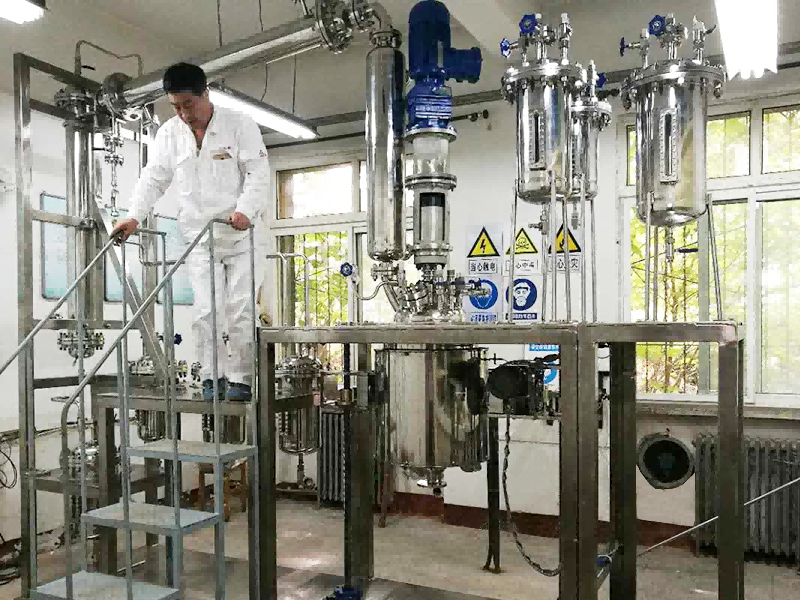
We also have the Catalytic Cracking Test Unit. This unit is designed to study the catalytic cracking process, which is an important step in the petroleum refining industry. It can help you understand the reaction mechanisms and optimize the catalysts used in the process.
And if you're into separation processes, our Distillation Adsorption Extraction Facility is a great choice. It can be used for distillation, adsorption, and extraction processes, allowing you to separate and purify different components of a mixture.
Conclusion
In conclusion, overloading a lab autoclave can have a significant impact on its performance. It can reduce sterilization efficiency, mess up the heating and cooling cycles, stress the components, and pose serious safety risks. By following the manufacturer's guidelines and arranging your loads properly, you can avoid these problems and keep your autoclave running smoothly.
If you're in the market for a new lab autoclave or any of the related equipment I mentioned, don't hesitate to reach out. We're here to help you find the right solutions for your lab needs. Whether you're a small research lab or a large industrial facility, we have the products and expertise to support you.
References
- "Autoclave Operation and Maintenance Manuals" - Various manufacturers
- "Lab Safety Guidelines" - Occupational Safety and Health Administration (OSHA)
- "Sterilization Techniques in Laboratories" - Journal of Laboratory Research


