Hey there! As a supplier of Stainless Steel Clad Plate, I often get asked if these plates can be recycled. And that's what we're going to dive into today.
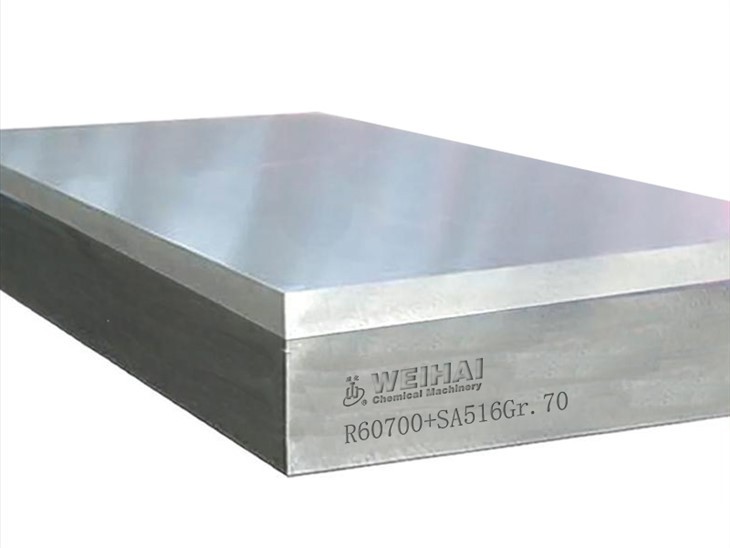
First off, let's quickly understand what stainless steel clad plates are. These are composite materials made by bonding a layer of stainless steel to a base metal, usually carbon steel or another alloy. The result is a material that combines the corrosion - resistance of stainless steel with the strength and cost - effectiveness of the base metal. They're used in a wide range of industries, from chemical processing to food production, because of their unique properties.
Now, to the big question: Can stainless steel clad plates be recycled? The short answer is yes, they can. But it's not as straightforward as recycling a single - material piece of metal.
The Recycling Process
The main challenge in recycling stainless steel clad plates lies in separating the different layers. The stainless steel layer and the base metal have different melting points and chemical compositions. So, we can't just throw the clad plate into a furnace and expect it to come out as a homogeneous material.
One common method for recycling is mechanical separation. This involves using machinery to physically separate the stainless steel layer from the base metal. It can be a bit labor - intensive and requires specialized equipment, but it's an effective way to recover both materials. Once the layers are separated, they can be recycled separately. The stainless steel can be melted down and reused to make new stainless steel products, while the base metal can also be recycled into new base - metal items.
Another approach is chemical separation. This method uses chemicals to dissolve one of the layers, usually the base metal, leaving the stainless steel intact. However, this method has its drawbacks. The chemicals used can be hazardous to the environment if not properly managed, and the process can be expensive.
Benefits of Recycling Stainless Steel Clad Plates
There are several good reasons to recycle these plates. First of all, it's great for the environment. Mining and refining new metals are energy - intensive processes that can have a significant impact on the environment. By recycling stainless steel clad plates, we reduce the need for new metal extraction, which in turn conserves natural resources and reduces greenhouse gas emissions.
Secondly, recycling is cost - effective. For manufacturers, using recycled materials can be cheaper than buying new ones. The cost savings can be passed on to the consumers, making products more affordable.
Types of Stainless Steel Clad Plates and Recycling
There are different types of stainless steel clad plates, and the recycling process might vary slightly for each. For example, the Two Sides Clad Plate has stainless steel layers on both sides of the base metal. This can make the separation process a bit more complex compared to a single - sided clad plate. But with the right techniques, both the stainless steel and the base metal can still be recycled effectively.
The Other Alloy Clad Plate contains different alloys in addition to stainless steel and the base metal. Recycling these plates requires careful analysis of the alloy composition to ensure that the materials are properly separated and recycled.
The Nickel - base Steel Clad Plate is another type. Nickel is a valuable metal, and recycling these plates can help recover this precious resource. The separation process for nickel - base steel clad plates needs to be precise to ensure that the nickel is recovered in a pure form.
Challenges in Recycling
As I mentioned earlier, the separation process is a major challenge. It requires investment in specialized equipment and trained personnel. There's also the issue of quality control. When recycling, we need to make sure that the recycled materials meet the required quality standards. If the separation is not done correctly, the recycled materials might be contaminated, which can affect their performance in new products.
Another challenge is the lack of awareness. Many industries that use stainless steel clad plates are not fully aware of the recycling options available. This means that a lot of these plates end up in landfills instead of being recycled.
Our Role as a Supplier
As a supplier of stainless steel clad plates, we have a responsibility to promote recycling. We can educate our customers about the importance of recycling and provide them with information on how to recycle our products. We can also work with recycling facilities to ensure that the recycling process is efficient and environmentally friendly.

We can also offer incentives for customers to return their used plates for recycling. For example, we could offer a discount on future purchases if they recycle their old plates through our recommended channels.
Conclusion
So, to sum it up, stainless steel clad plates can definitely be recycled, but it comes with its own set of challenges. The recycling process involves separating the different layers, which can be done through mechanical or chemical means. There are many benefits to recycling, including environmental protection and cost savings.
At our company, we're committed to promoting the recycling of our stainless steel clad plates. We believe that by working together with our customers and recycling partners, we can make a positive impact on the environment and the economy.
If you're interested in our Two Sides Clad Plate, Other Alloy Clad Plate, or Nickel - base Steel Clad Plate, or if you have any questions about recycling our products, don't hesitate to reach out. We're here to help you make the best decisions for your business. Let's work together to create a more sustainable future!
References
- "Recycling of Metal Composites", Journal of Materials Recycling
- "The Environmental Impact of Metal Recycling", Environmental Science Review