Hey there! I'm a supplier of Stainless Steel Clad Plate, and today I want to have an open chat about the limitations of this product. As someone who's been in the business, I've seen both the amazing benefits and the not - so - great aspects of stainless steel clad plates.
First off, let's understand what stainless steel clad plates are. They're composite materials made by bonding a layer of stainless steel to a base metal, usually carbon steel. This combination gives us the corrosion - resistance of stainless steel and the strength and cost - effectiveness of carbon steel. It's a win - win in many cases, but it's not all roses.
1. Bonding Quality Issues
One of the major limitations is related to the bonding between the stainless steel layer and the base metal. Sometimes, during the manufacturing process, the bond might not be as strong as we'd like. There could be voids or weak spots in the bond. These issues can lead to delamination over time, especially when the clad plate is exposed to high stress, temperature fluctuations, or corrosive environments.
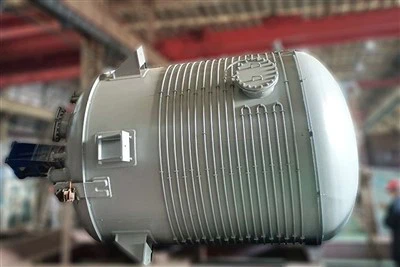
For example, in a chemical processing plant where the clad plates are used in reaction vessels, the constant exposure to aggressive chemicals and high - pressure conditions can put a lot of strain on the bond. If the bond isn't up to par, the stainless steel layer might start to peel away from the base metal. This not only compromises the corrosion - resistance of the plate but also weakens the overall structure of the vessel.


2. Limited Formability
Stainless steel clad plates can be a bit tricky when it comes to forming. The difference in the mechanical properties of the stainless steel layer and the base metal can cause problems during bending, rolling, or stamping operations. The stainless steel layer is generally harder and more brittle than the base metal. So, when you try to form the clad plate, the stainless steel layer might crack or develop surface defects.
Let's say you're trying to make a curved component using a stainless steel clad plate. As you bend the plate, the stainless steel layer on the outer side of the curve is under tension. If the forming process isn't carefully controlled, this tension can cause the stainless steel to crack. And once there are cracks in the stainless steel layer, it loses its ability to protect the base metal from corrosion.
3. Cost Considerations
While stainless steel clad plates can be more cost - effective than solid stainless steel plates in some cases, they still come with a relatively high price tag. The manufacturing process of clad plates is complex and requires specialized equipment and techniques. There are also additional costs associated with quality control to ensure a good bond between the layers.
Moreover, if you need custom - sized or special - grade clad plates, the cost can go even higher. For small - scale projects or applications where the budget is tight, the cost of stainless steel clad plates might be a deal - breaker. You might end up having to look for alternative materials or solutions that are more affordable.
4. Welding Challenges
Welding stainless steel clad plates is no walk in the park. When you weld a clad plate, you need to consider the different welding properties of the stainless steel layer and the base metal. If the welding process isn't properly optimized, it can lead to issues such as dilution of the stainless steel layer, formation of brittle intermetallic compounds, and reduced corrosion - resistance in the weld area.
For instance, in a construction project where stainless steel clad plates are used for structural components, improper welding can weaken the joints and make the entire structure less safe. Welders need to have specialized training and experience to handle stainless steel clad plates effectively.
5. Thickness Limitations
There are also limitations when it comes to the thickness of the stainless steel layer and the overall thickness of the clad plate. In general, it's more difficult to achieve a good bond for very thick stainless steel layers or very thick clad plates. As the thickness increases, the risk of voids and uneven bonding also goes up.
Manufacturers usually have a range of standard thicknesses for stainless steel clad plates. If you need a non - standard thickness, it might be more challenging to produce, and the quality might be harder to guarantee. This can be a problem for applications where specific thickness requirements are crucial, such as in the aerospace or nuclear industries.
6. Availability of Grades and Sizes
The availability of different grades of stainless steel and base metals in clad plate form can be limited. Not all combinations of stainless steel and base metal are readily available in the market. If you need a specific grade of stainless steel or a particular base metal for your application, you might have to wait for a custom order, which can increase lead times and costs.
Similarly, the range of sizes for stainless steel clad plates is also somewhat restricted. If you need a very large or very small clad plate, you might face difficulties in finding a supplier who can provide it. This can be a hindrance for projects with unique design requirements.
Comparison with Other Clad Plates
It's also worth comparing stainless steel clad plates with other types of clad plates, such as Titanium Steel Clad Plate, Two Sides Clad Plate, and Nickel - base Steel Clad Plate.
Titanium steel clad plates offer even better corrosion - resistance than stainless steel clad plates in some aggressive environments, especially those containing acids. However, they are more expensive and have their own set of manufacturing and processing challenges.
Two - sides clad plates, as the name suggests, have a clad layer on both sides of the base metal. This can provide enhanced corrosion - protection, but the manufacturing process is more complex, and the cost is higher.
Nickel - base steel clad plates are known for their high - temperature resistance and excellent corrosion - resistance in certain chemical environments. But like titanium steel clad plates, they can be more expensive and less readily available.
Despite these limitations, stainless steel clad plates still have a wide range of applications. They're used in industries such as oil and gas, chemical processing, food and beverage, and construction. The key is to understand the limitations and work with a reliable supplier who can help you choose the right clad plate for your specific needs.
If you're considering using stainless steel clad plates for your project, don't hesitate to reach out. We can have a detailed discussion about your requirements and see if stainless steel clad plates are the right fit for you. We'll do our best to address any concerns you might have and provide you with high - quality products.
References
- ASM Handbook, Volume 13C: Corrosion: Stainless Steels, ASM International.
- Welding Handbook, American Welding Society.
- "Clad Metals: Fundamentals and Applications" by K. V. Jata and S. N. Mathaudhu.