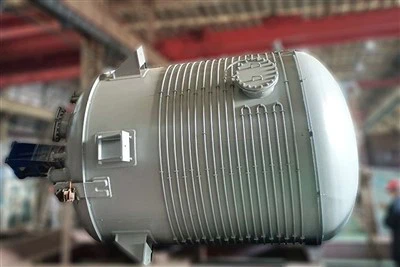
Hey there! As a supplier of Scrubber Towers, I'm super stoked to chat with you about the design principles behind these awesome pieces of equipment. Scrubber Towers are pretty crucial in a bunch of industries, helping to clean up all sorts of emissions and making the environment a better place. So, let's dive right in!
The Basics of a Scrubber Tower
First off, what exactly is a Scrubber Tower? Well, it's a device that uses a liquid to remove pollutants from a gas stream. Picture this: dirty air comes in one end, and clean air goes out the other. It's like a big, industrial - grade air purifier.
The main components of a Scrubber Tower usually include an inlet for the dirty gas, a section where the gas and liquid interact, and an outlet for the cleaned gas. There's also a system to handle the liquid that has absorbed the pollutants.
Design Goals
When we design a Scrubber Tower, there are a few key goals we're aiming for.


Efficiency
The number one goal is to be as efficient as possible at removing pollutants. We want to make sure that the maximum amount of harmful substances are taken out of the gas stream. This means carefully choosing the right liquid (usually water with some additives) and making sure it has enough contact time with the gas. For example, if we're dealing with sulfur dioxide emissions from a power plant, we need to use a liquid that can react with and capture the sulfur dioxide effectively.
Low Pressure Drop
Another important factor is to keep the pressure drop across the tower as low as possible. A high pressure drop means that the system has to work harder to push the gas through the tower, which can increase energy costs. We use various design techniques, like choosing the right packing material (more on that later), to minimize this pressure drop.
Durability
Scrubber Towers are often used in harsh industrial environments, so they need to be tough. We use high - quality materials that can withstand corrosion, abrasion, and high temperatures. Stainless steel is a popular choice for many parts of the tower, especially those that come into contact with corrosive liquids or gases.
Design Considerations
Gas and Liquid Flow
The way the gas and liquid flow through the tower is super important. There are two main types of flow: co - current and counter - current.
In co - current flow, the gas and liquid move in the same direction. This can be useful in some situations where you want a quick initial contact between the two. However, counter - current flow is more commonly used. In counter - current flow, the gas moves up through the tower while the liquid moves down. This creates a better concentration gradient, which means that the pollutants can be more effectively transferred from the gas to the liquid.
Packing Material
Packing material is used inside the tower to increase the surface area for contact between the gas and the liquid. There are different types of packing materials available, like random packing (such as Raschig rings or Pall rings) and structured packing. Random packing is easy to install and can handle a wide range of flow rates. Structured packing, on the other hand, offers better efficiency and lower pressure drop but can be more expensive.
Liquid Distribution
Proper liquid distribution is key to ensuring that the entire cross - section of the tower is covered with the liquid. If the liquid isn't distributed evenly, some parts of the gas stream might not come into contact with the liquid, reducing the efficiency of the scrubbing process. We use special distributors, like spray nozzles or troughs, to make sure the liquid is spread out evenly.
Comparison with Other Equipment
It's also interesting to compare Scrubber Towers with some other related equipment. For example, the U - Tube Heat Exchanger is mainly used for heat transfer between two fluids, while a Scrubber Tower is focused on pollutant removal. The Fixed Tube Sheet Heat Exchanger also has a different function, concentrating on maintaining a stable tube - shell structure for heat exchange. And the Absorption Tower is similar in that it also uses a liquid to absorb substances from a gas, but the design and application can vary depending on the specific substances involved.
Real - World Applications
Scrubber Towers have a wide range of applications. In the chemical industry, they're used to remove acid gases from process streams. In the power generation sector, they help reduce emissions of sulfur dioxide and other pollutants from coal - fired power plants. They're also used in the food and beverage industry to control odors and remove particulate matter.
Maintenance and Upkeep
To keep a Scrubber Tower running smoothly, regular maintenance is a must. This includes checking the liquid levels, inspecting the packing material for damage or fouling, and making sure the pumps and valves are working properly. We also need to monitor the performance of the tower, such as the efficiency of pollutant removal and the pressure drop, to detect any issues early on.
Why Choose Our Scrubber Towers
As a supplier, we take pride in our Scrubber Towers. We use the latest design principles and high - quality materials to ensure that our towers are efficient, durable, and cost - effective. Our team of experts can also provide customized solutions based on your specific needs. Whether you're dealing with a small - scale operation or a large industrial plant, we've got you covered.
If you're in the market for a Scrubber Tower or just want to learn more, don't hesitate to reach out. We're here to help you make the right choice for your business. Let's work together to create a cleaner and more sustainable environment!
References
- Perry, R. H., & Green, D. W. (Eds.). (1997). Perry's Chemical Engineers' Handbook. McGraw - Hill.
- Walas, S. M. (1988). Chemical Process Equipment: Selection and Design. Butterworth - Heinemann.