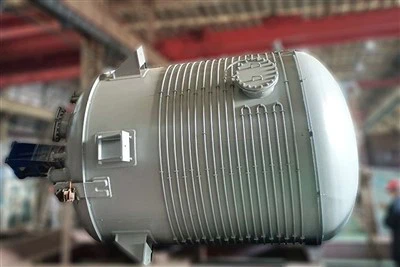
In the realm of industrial processing, absorption towers play a pivotal role in a wide array of applications. As a prominent supplier of absorption towers, I am well - versed in the numerous advantages that these engineering marvels bring to various industries. This blog post aims to shed light on the key benefits of using an absorption tower, which will not only enhance your understanding but also help you make informed decisions for your industrial needs.
Efficient Gas Separation
One of the primary advantages of an absorption tower is its remarkable efficiency in gas separation. In many industrial processes, there is a need to separate different gases from a mixture. Absorption towers achieve this by utilizing a liquid solvent. The gas mixture is passed through the tower, and the target gas component is selectively absorbed by the liquid solvent. This process is based on the principle of solubility and mass transfer.
For example, in the chemical industry, when producing ammonia, the synthesis gas contains a mixture of hydrogen, nitrogen, and some impurities such as carbon dioxide. An absorption tower can be used to remove carbon dioxide from the gas mixture. The carbon dioxide is absorbed by an appropriate solvent, leaving behind a purified gas stream that is rich in hydrogen and nitrogen, which are essential for ammonia synthesis. This efficient separation process helps improve the quality of the final product and reduces the load on subsequent processing steps.
Environmental Protection
In today's world, environmental protection is of utmost importance. Absorption towers contribute significantly to reducing harmful emissions. Many industrial processes generate pollutants such as sulfur dioxide, nitrogen oxides, and volatile organic compounds (VOCs). These pollutants can have a detrimental impact on the environment and human health if released into the atmosphere without proper treatment.


Absorption towers can be designed to capture these pollutants. For instance, in power plants that burn fossil fuels, sulfur dioxide emissions can be reduced by using an absorption tower. A lime - based or amine - based solvent is used to absorb the sulfur dioxide from the flue gas. This not only helps in complying with environmental regulations but also reduces the formation of acid rain, which can damage forests, lakes, and buildings. By using an absorption tower, industries can demonstrate their commitment to environmental stewardship and sustainable development.
Cost - Effectiveness
From an economic perspective, absorption towers offer significant cost - saving opportunities. Firstly, the initial investment in an absorption tower is often outweighed by the long - term benefits. Once installed, the operating cost of an absorption tower is relatively low. The liquid solvents used in the absorption process can often be regenerated and reused, which reduces the cost of raw materials.
Moreover, by efficiently separating gases and removing pollutants, absorption towers can improve the overall efficiency of the industrial process. This leads to reduced energy consumption and increased productivity. For example, in a petrochemical refinery, an absorption tower can be used to separate different hydrocarbon fractions. By separating these fractions more effectively, the refinery can optimize its production process, leading to higher yields and lower production costs.
Versatility
Absorption towers are highly versatile and can be customized to suit different industrial applications. They can be designed to handle a wide range of gas mixtures and liquid solvents. Depending on the specific requirements of the process, the tower can be made from different materials such as stainless steel, carbon steel, or fiberglass - reinforced plastic (FRP).
In addition to gas separation and pollutant removal, absorption towers can also be used for heat transfer. In some cases, the absorption process is exothermic, and the heat generated can be recovered and used in other parts of the industrial process. This dual functionality makes absorption towers a valuable asset in many industries.
Integration with Other Equipment
Absorption towers can be easily integrated with other industrial equipment such as Stripping Tower, Reactor, and U - Tube Heat Exchanger. For example, after the absorption process in an absorption tower, the rich solvent can be sent to a stripping tower to regenerate the solvent. The regenerated solvent can then be recycled back to the absorption tower for further use.
In a chemical reaction process, an absorption tower can be used in conjunction with a reactor. The gas products from the reactor can be purified in the absorption tower before being sent for further processing. The integration of these equipment not only improves the overall efficiency of the industrial process but also reduces the footprint of the entire processing system.
High - Quality Product Output
The use of an absorption tower can significantly improve the quality of the final product. By removing impurities and unwanted components from the gas or liquid stream, the absorption tower ensures that the product meets the required specifications. In the pharmaceutical industry, for example, an absorption tower can be used to purify gases used in the manufacturing process. This helps in producing high - quality drugs that are safe for human consumption.
Easy Maintenance
Absorption towers are designed for easy maintenance. They are equipped with inspection ports and access points, which allow for regular inspection and cleaning. The internal components of the tower, such as packing materials, can be easily replaced if they are worn out or clogged. This ease of maintenance ensures that the absorption tower can operate continuously and efficiently for a long time.
Conclusion
In conclusion, the advantages of using an absorption tower are numerous and far - reaching. From efficient gas separation and environmental protection to cost - effectiveness and versatility, absorption towers are an essential component in many industrial processes. As a supplier of absorption towers, we are committed to providing high - quality products that meet the diverse needs of our customers.
If you are interested in learning more about our absorption towers or are considering a purchase for your industrial application, we encourage you to reach out to us for a detailed discussion. Our team of experts is ready to assist you in selecting the most suitable absorption tower for your specific requirements and to guide you through the entire procurement process. Let's work together to enhance your industrial operations and achieve your business goals.
References
- Perry, R. H., & Green, D. W. (1997). Perry's Chemical Engineers' Handbook. McGraw - Hill.
- Sinnott, R. K. (2005). Coulson & Richardson's Chemical Engineering: Chemical Engineering Design. Butterworth - Heinemann.