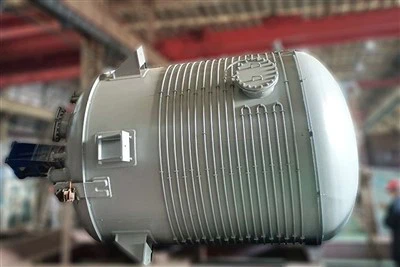
Hey there! As a supplier of U-Tube Heat Exchangers, I've seen firsthand the headaches that fouling can cause in these essential pieces of equipment. Fouling is like that uninvited guest at a party that just won't leave – it messes things up and makes everything less efficient. In this blog, I'm gonna share some tips on how to predict and prevent fouling in a U-Tube Heat Exchanger.


What is Fouling in a U-Tube Heat Exchanger?
First off, let's talk about what fouling actually is. In a U-Tube Heat Exchanger, fouling occurs when unwanted materials build up on the heat transfer surfaces. These materials can be anything from dirt, scale, and corrosion products to biological growth like algae or bacteria. This buildup acts as an insulator, reducing the heat transfer efficiency of the exchanger. That means your system has to work harder to achieve the same results, which can lead to increased energy consumption, higher operating costs, and even equipment damage over time.
Why is Predicting Fouling Important?
Predicting fouling is crucial because it allows you to take proactive measures before it becomes a major problem. If you can anticipate when fouling is likely to occur, you can schedule maintenance and cleaning at the right time, minimizing downtime and maximizing the lifespan of your U-Tube Heat Exchanger. It's like having a crystal ball that tells you when to take action to keep your system running smoothly.
How to Predict Fouling
Analyze the Feed Water Quality
One of the first steps in predicting fouling is to analyze the quality of the feed water or fluid that will be passing through the heat exchanger. Different types of contaminants in the water can lead to different types of fouling. For example, high levels of calcium and magnesium can cause scale formation, while organic matter can promote biological fouling. By testing the water regularly, you can identify potential fouling risks and take appropriate steps to mitigate them.
Monitor Operating Conditions
Keep a close eye on the operating conditions of your U-Tube Heat Exchanger. Factors like temperature, pressure, flow rate, and pH can all affect the likelihood of fouling. For instance, if the temperature is too high, it can accelerate the formation of scale. By monitoring these parameters and comparing them to the design specifications of the heat exchanger, you can detect any deviations that may indicate the onset of fouling.
Use Fouling Models
There are various fouling models available that can help you predict the rate and extent of fouling based on the characteristics of the fluid and the operating conditions. These models take into account factors like fluid velocity, temperature, and the concentration of contaminants. While these models are not perfect, they can provide a useful estimate of when fouling is likely to occur, allowing you to plan your maintenance schedule accordingly.
How to Prevent Fouling
Pretreat the Feed Water
One of the most effective ways to prevent fouling is to pretreat the feed water before it enters the heat exchanger. This can involve processes like filtration, softening, and chemical treatment. Filtration removes large particles and debris from the water, while softening reduces the concentration of calcium and magnesium ions to prevent scale formation. Chemical treatment can be used to inhibit the growth of bacteria and algae or to prevent the precipitation of salts.
Optimize the Operating Conditions
As mentioned earlier, the operating conditions of the heat exchanger can have a significant impact on the likelihood of fouling. By optimizing these conditions, you can reduce the risk of fouling. For example, maintaining a high fluid velocity can help prevent the deposition of particles on the heat transfer surfaces. Similarly, controlling the temperature and pH within the recommended range can minimize the formation of scale and corrosion.
Implement a Regular Maintenance Schedule
Regular maintenance is essential for preventing fouling in a U-Tube Heat Exchanger. This includes cleaning the heat exchanger at regular intervals to remove any accumulated fouling. There are various cleaning methods available, such as mechanical cleaning, chemical cleaning, and hydraulic cleaning. The choice of cleaning method depends on the type and extent of fouling. In addition to cleaning, regular inspections should also be carried out to check for any signs of damage or wear.
Use Anti-Fouling Coatings
Another option for preventing fouling is to apply anti-fouling coatings to the heat transfer surfaces. These coatings can reduce the adhesion of contaminants and make it easier to clean the heat exchanger. There are different types of anti-fouling coatings available, each with its own advantages and disadvantages. Some coatings are designed to be hydrophobic, which means they repel water and prevent the formation of a wetting layer on the surface. Others are designed to be biocidal, which means they kill bacteria and algae.
Conclusion
Fouling is a common problem in U-Tube Heat Exchangers, but it doesn't have to be a major headache. By predicting and preventing fouling, you can keep your heat exchanger running efficiently and extend its lifespan. Remember to analyze the feed water quality, monitor the operating conditions, use fouling models, pretreat the feed water, optimize the operating conditions, implement a regular maintenance schedule, and consider using anti-fouling coatings.
If you're in the market for a U-Tube Heat Exchanger or need help with fouling prevention, we're here to assist you. Our team of experts has years of experience in the industry and can provide you with the best solutions for your specific needs. Check out our U-Tube Heat Exchanger page to learn more about our products. We also offer other related products like Reactors and Absorption Towers. Don't hesitate to reach out to us for a consultation and start the procurement process today!
References
- Incropera, F. P., & DeWitt, D. P. (2002). Fundamentals of Heat and Mass Transfer. John Wiley & Sons.
- TEMA Standards. Tubular Exchanger Manufacturers Association.
- Taborek, J. (1983). Heat Exchanger Design Handbook. Hemisphere Publishing Corporation.