


As a reputable supplier of Drying Towers, I understand the significance of packing density in ensuring optimal performance and efficiency of these crucial industrial components. The packing density within a Drying Tower plays a pivotal role in determining the quality of the drying process, including factors such as moisture removal, heat transfer, and gas-liquid contact. In this blog, I will share insights on how to adjust the packing density in a Drying Tower, drawing from our extensive experience in the field.
Understanding Packing Density
Before delving into the adjustment methods, it is essential to understand what packing density means in the context of a Drying Tower. Packing density refers to the amount of packing material per unit volume within the tower. The packing material, which can be in the form of structured packing or random packing, provides a large surface area for gas-liquid contact, facilitating the transfer of heat and mass between the two phases.
A higher packing density generally results in a larger surface area for contact, leading to more efficient heat and mass transfer. However, it can also increase the pressure drop across the tower, which may require more energy to operate the tower. On the other hand, a lower packing density reduces the pressure drop but may compromise the efficiency of the drying process. Therefore, finding the optimal packing density is crucial for balancing performance and energy consumption.
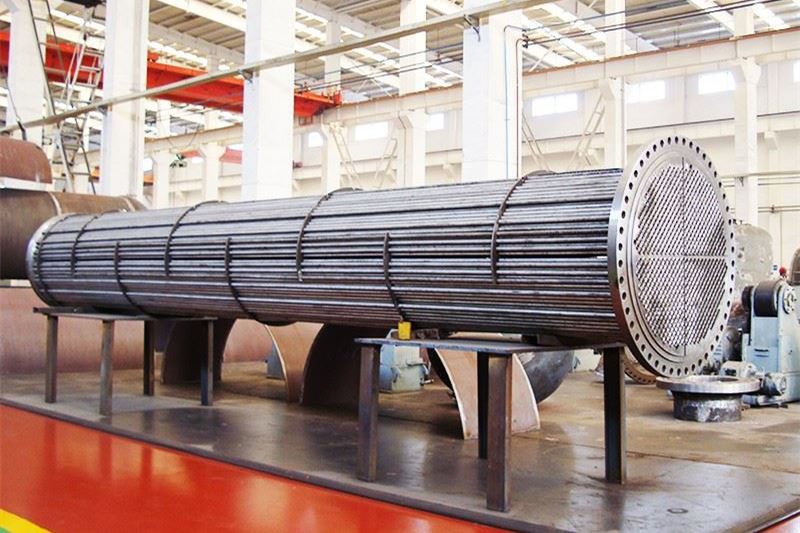

Factors Affecting Packing Density
Several factors can influence the packing density in a Drying Tower, and understanding these factors is essential for effective adjustment.
Type of Packing Material
Different packing materials have different inherent densities and surface area characteristics. For example, structured packing typically has a higher surface area per unit volume compared to random packing. This means that a smaller amount of structured packing may achieve the same level of efficiency as a larger amount of random packing. When choosing a packing material, it is important to consider its density and surface area properties to determine the appropriate packing density.
Gas and Liquid Flow Rates
The flow rates of the gas and liquid streams passing through the Drying Tower can also affect the packing density. Higher flow rates may require a higher packing density to ensure sufficient contact between the gas and liquid phases. Conversely, lower flow rates may allow for a lower packing density without sacrificing efficiency. It is important to monitor and adjust the flow rates in conjunction with the packing density to optimize the drying process.
Tower Design and Dimensions
The design and dimensions of the Drying Tower, such as its diameter and height, can also impact the packing density. A taller tower may require a lower packing density to prevent excessive pressure drop, while a wider tower may allow for a higher packing density. Additionally, the internal structure of the tower, such as the presence of distributors or collectors, can affect the distribution of the gas and liquid phases, which in turn can influence the optimal packing density.
Methods for Adjusting Packing Density
Once the factors affecting packing density are understood, there are several methods that can be used to adjust the packing density in a Drying Tower.
Adding or Removing Packing Material
The most straightforward method of adjusting the packing density is to add or remove packing material from the tower. This can be done by physically adding or removing layers of packing material or by adjusting the amount of packing material during the initial installation. When adding or removing packing material, it is important to ensure that the packing is evenly distributed throughout the tower to maintain uniform gas-liquid contact.
Changing the Type of Packing Material
As mentioned earlier, different packing materials have different densities and surface area characteristics. Therefore, changing the type of packing material can be an effective way to adjust the packing density. For example, switching from random packing to structured packing may allow for a lower packing density while maintaining or improving the efficiency of the drying process. However, it is important to consider the cost and compatibility of the new packing material with the existing tower design and operating conditions.
Modifying the Tower Design
In some cases, modifying the tower design may be necessary to adjust the packing density. This can involve changing the diameter or height of the tower, adding or removing internal components such as distributors or collectors, or altering the shape of the tower. Modifying the tower design can be a more complex and expensive option, but it may be necessary to achieve the desired packing density and optimize the performance of the Drying Tower.
Importance of Monitoring and Maintenance
Adjusting the packing density in a Drying Tower is not a one-time process. It is important to continuously monitor the performance of the tower and make adjustments as needed to ensure optimal operation. This includes monitoring the pressure drop across the tower, the temperature and humidity of the gas and liquid streams, and the quality of the dried product. Regular maintenance, such as cleaning and inspection of the packing material, is also essential to prevent fouling and ensure the long-term performance of the Drying Tower.
Related Equipment for Drying Towers
In addition to the Drying Tower itself, there are several other pieces of equipment that are commonly used in conjunction with Drying Towers to enhance the drying process. These include Storage Vessel, which can be used to store the dried product, and heat exchangers such as Fixed Tube Sheet Heat Exchanger and U-Tube Heat Exchanger, which can be used to preheat or cool the gas and liquid streams.
Conclusion
Adjusting the packing density in a Drying Tower is a critical aspect of ensuring optimal performance and efficiency. By understanding the factors affecting packing density, using appropriate adjustment methods, and implementing regular monitoring and maintenance, it is possible to achieve the desired packing density and optimize the drying process. As a leading supplier of Drying Towers, we have the expertise and experience to help you select the right packing material, adjust the packing density, and ensure the long-term performance of your Drying Tower. If you are interested in learning more about our Drying Tower products or need assistance with packing density adjustment, please feel free to contact us for a consultation. We look forward to working with you to meet your industrial drying needs.


