


Hey there! As a supplier of the Polymer Rubber Test Unit, I often get asked if our unit can test the creep properties of polymers and rubbers. Well, the short answer is yes, and in this blog, I'll dive deep into how and why.
First off, let's talk about what creep is. Creep is the gradual deformation of a material over time when it's under a constant load. For polymers and rubbers, this can be a big deal. Think about rubber seals in a car engine. If they creep too much, they won't seal properly, which can lead to all sorts of problems. So, being able to measure and understand creep properties is crucial for ensuring the quality and performance of these materials.
Our Polymer Rubber Test Unit is specifically designed to handle these types of tests. It's equipped with state - of - the - art sensors and control systems that can accurately measure the deformation of polymers and rubbers over an extended period. The unit allows us to apply a constant load to the sample and monitor how it changes shape over time.

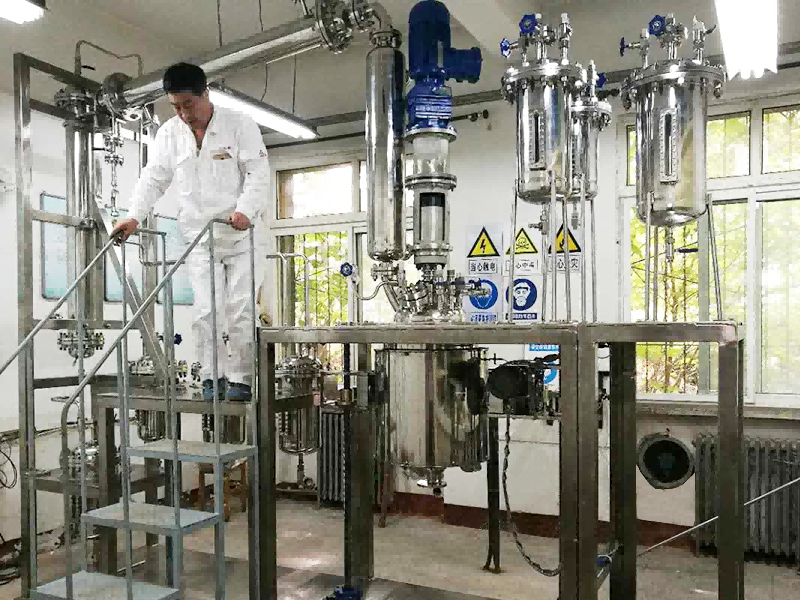
One of the key features of our Polymer Rubber Test Unit is its precision. The load application system is highly accurate, which means we can simulate real - world conditions very closely. Whether it's a light load for a long time or a heavy load for a short period, the unit can handle it. This precision is essential because even small variations in the load can significantly affect the creep results.
Another great thing about our test unit is its flexibility. We can adjust the temperature, humidity, and other environmental factors during the test. This is important because creep is not only affected by the load but also by the surrounding conditions. For example, polymers and rubbers tend to creep more at higher temperatures. By being able to control these factors, we can get a more comprehensive understanding of how the materials will perform in different situations.
The data collection and analysis capabilities of our Polymer Rubber Test Unit are also top - notch. It records all the relevant data, such as the deformation, load, and time, in real - time. This data can then be analyzed using specialized software to generate detailed reports. These reports can help manufacturers make informed decisions about the materials they use, such as whether to adjust the formulation or change the manufacturing process.
Now, let's compare our Polymer Rubber Test Unit with some other related equipment. For instance, the Distillation Adsorption Extraction Facility is mainly used for separating and purifying substances. While it's an important piece of equipment in the polymer and rubber industry, it doesn't have the ability to test creep properties. On the other hand, the Catalytic Cracking Test Unit is focused on studying the cracking reactions of polymers and rubbers. It's also not designed for creep testing.
So, if you're in the business of manufacturing or using polymers and rubbers, having a reliable way to test their creep properties is a must. Our Polymer Rubber Test Unit offers a comprehensive solution for this. It can save you time and money by helping you identify potential problems early in the development process.
If you're interested in learning more about our Polymer Rubber Test Unit or want to discuss your specific testing needs, I encourage you to reach out. Whether you're a small - scale manufacturer or a large - scale research institution, we can work with you to find the best testing solution. Don't miss out on the opportunity to improve the quality and performance of your polymer and rubber products. Let's start a conversation today and see how our Polymer Rubber Test Unit can benefit your business.
References
- "Introduction to Polymers" by Young, R. J., & Lovell, P. A.
- "Rubber Technology" by Morton, M.


