


In the realm of industrial equipment, filter towers play a crucial role in various processes, from purifying gases to separating solids from liquids. As a supplier of filter towers, I often encounter queries about their advantages, but it's equally important to discuss the potential disadvantages. In this blog post, I'll delve into the possible drawbacks of filter towers to provide a comprehensive understanding for those considering their use.
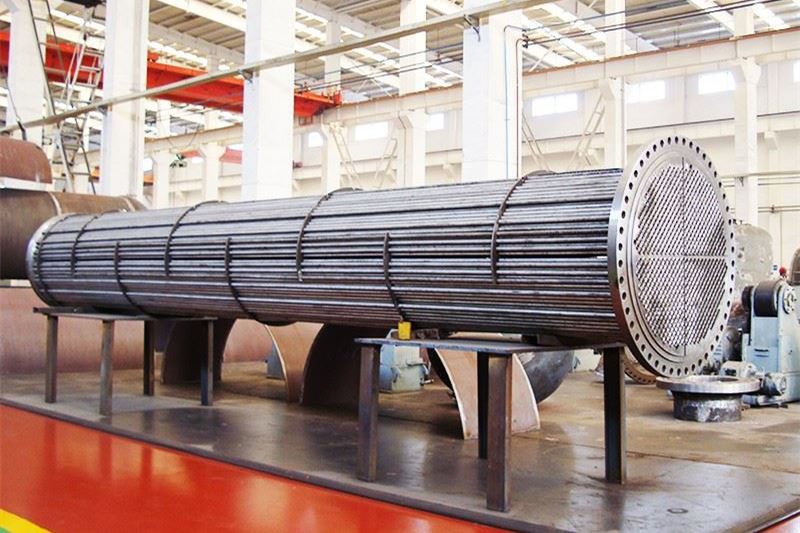

Initial Investment and Installation Costs
One of the primary disadvantages of filter towers is the significant initial investment required. These towers are complex pieces of equipment that need to be custom - designed to meet the specific needs of a particular process. The cost of materials, which can range from high - grade metals to specialized polymers, can be substantial. For example, if a filter tower is required to handle highly corrosive substances, expensive corrosion - resistant materials such as stainless steel or titanium may be necessary.
In addition to the material costs, the installation process of a filter tower can be quite expensive. It often involves specialized labor, including engineers and technicians who are well - versed in the installation of such large - scale equipment. The site may also need to be prepared, which could involve foundation work, electrical connections, and plumbing installations. All these factors contribute to a high upfront cost that can be a deterrent for some businesses, especially small and medium - sized enterprises.
Maintenance Requirements
Filter towers demand regular and thorough maintenance to ensure optimal performance. Over time, the filter media within the tower can become clogged with the particles it is designed to remove. This clogging not only reduces the efficiency of the filtration process but can also lead to increased pressure drop across the tower. When the pressure drop increases, the energy consumption of the system rises as more power is needed to force the fluid or gas through the clogged filter.
Moreover, the internal components of the filter tower, such as valves, pumps, and sensors, need to be inspected and maintained regularly. These components are subject to wear and tear, and any malfunction can disrupt the entire filtration process. For instance, a faulty valve can lead to an improper flow rate or even cause leaks, which can be hazardous depending on the nature of the substances being filtered. The cost of maintenance, including replacement parts and labor, can add up over time and become a significant ongoing expense for the business.
Limited Flexibility
Filter towers are typically designed for specific applications. Once installed, they may not be easily adaptable to changes in the process requirements. For example, if a company decides to change the type of raw material it uses in its production process, the filter tower may not be able to effectively filter the new contaminants. This lack of flexibility can be a major drawback, especially in industries where processes are constantly evolving.
In some cases, modifying a filter tower to accommodate new requirements can be extremely costly and time - consuming. It may involve replacing the filter media, re - engineering the internal structure, or even installing additional components. This inflexibility can limit a company's ability to respond quickly to market changes and technological advancements.
Space Requirements
Filter towers are often large and bulky pieces of equipment. They require a significant amount of floor space in a manufacturing facility. This can be a problem for businesses that have limited space or are operating in facilities with high real - estate costs. The need for additional space not only adds to the overall cost of the operation but can also pose challenges in terms of layout and workflow.
For example, in a crowded factory floor, the installation of a filter tower may disrupt the existing production line, leading to inefficiencies and potential safety hazards. The large size of the filter tower also means that it may be difficult to move or relocate if the need arises.
Environmental Impact
Although filter towers are designed to improve the quality of the output by removing contaminants, they can have some negative environmental impacts. The disposal of the filter media after it has reached the end of its useful life can be a challenge. Depending on the type of contaminants it has captured, the filter media may be considered hazardous waste. Proper disposal of hazardous waste requires compliance with strict environmental regulations, which can be costly and complex.
In addition, the energy consumption of filter towers can contribute to greenhouse gas emissions. As mentioned earlier, clogged filter media can increase the pressure drop, leading to higher energy consumption. If the energy used to power the filter tower is derived from non - renewable sources, it can have a significant impact on the environment.
Comparison with Other Equipment
When considering the disadvantages of filter towers, it's also useful to compare them with other similar equipment. For example, a Fixed Tube Sheet Heat Exchanger may be more suitable for applications where heat transfer is the primary concern, while a filter tower is focused on filtration. A Drying Tower is designed to remove moisture from a gas stream, and a Scrubber Tower is used to remove specific pollutants from a gas. Each of these pieces of equipment has its own advantages and disadvantages, and the choice depends on the specific requirements of the process.
In some cases, these alternative pieces of equipment may offer more flexibility, lower maintenance requirements, or a smaller footprint compared to filter towers. However, it's important to note that filter towers are still the preferred choice for many applications where the primary goal is to achieve high - quality filtration.
Conclusion
While filter towers are essential for many industrial processes, they do come with several disadvantages. The high initial investment, maintenance requirements, limited flexibility, space requirements, and environmental impact are all factors that need to be carefully considered before deciding to install a filter tower.
However, it's important to remember that these disadvantages can often be mitigated with proper planning and management. For example, by choosing the right filter media and implementing a regular maintenance schedule, the efficiency and lifespan of the filter tower can be maximized. Additionally, exploring energy - efficient options and proper waste disposal methods can help reduce the environmental impact.
If you're considering the installation of a filter tower for your business, I encourage you to reach out to discuss your specific needs. Our team of experts can provide you with detailed information and guidance to help you make an informed decision. We are committed to providing high - quality filter towers that meet your requirements while minimizing the potential drawbacks.
References
- Chemical Engineering Handbook, various editions
- Industrial Filtration Technology textbooks
- Industry reports on filter tower performance and maintenance


