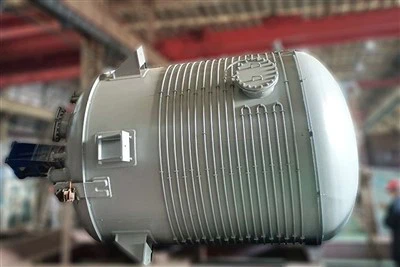
In the realm of laboratory equipment, autoclaves stand as indispensable workhorses, ensuring the sterilization of various materials and instruments to maintain a safe and contamination - free environment. As a reputable Lab Autoclave supplier, I've witnessed firsthand the critical role that each component plays in the proper functioning of these machines. One such component that often goes unnoticed but is of utmost importance is the drain valve. In this blog, we'll delve into the significant role of the drain valve in a lab autoclave.
1. Basics of a Lab Autoclave
Before we discuss the drain valve, let's briefly understand how a lab autoclave operates. Autoclaves use high - pressure steam to sterilize items. The process typically involves three main stages: heating, holding at a specific temperature and pressure for a set time, and then cooling. During the heating phase, water is heated to produce steam, which fills the autoclave chamber. The high - temperature steam effectively kills microorganisms, including bacteria, viruses, and fungi. Once the sterilization cycle is complete, the autoclave needs to return to normal conditions to allow safe access to the sterilized items.
2. Primary Functions of the Drain Valve
2.1 Steam and Condensate Removal
One of the most fundamental roles of the drain valve is to remove steam and condensate from the autoclave chamber. As the steam cools down after the sterilization process, it condenses into water. If this condensate is not removed promptly, it can accumulate in the chamber, leading to several issues. Excess water can cause rusting of the chamber walls over time, reducing the lifespan of the autoclave. Moreover, standing water can become a breeding ground for bacteria, defeating the purpose of sterilization.


The drain valve opens at the appropriate time during the cooling phase to allow the condensate to flow out of the chamber. This ensures that the autoclave chamber is dry and ready for the next cycle. Additionally, the removal of steam helps to reduce the pressure inside the chamber, bringing it back to a safe level for opening.
2.2 Pressure Regulation
The drain valve also plays a crucial role in pressure regulation within the autoclave. During the sterilization process, the autoclave is maintained at a high pressure to ensure effective sterilization. Once the cycle is complete, the pressure needs to be gradually released. The drain valve controls the rate at which steam is released from the chamber. By carefully regulating the steam flow, it prevents sudden drops in pressure, which could damage the autoclave or the items inside.
For example, if the pressure is released too quickly, it can cause items to be jostled or even damaged. In some cases, it may also lead to the formation of a vacuum inside the chamber, which can make it difficult to open the autoclave door. The drain valve ensures a smooth and controlled pressure reduction, maintaining the integrity of the autoclave and its contents.
3. Impact on Sterilization Efficiency
3.1 Ensuring Uniform Sterilization
Proper functioning of the drain valve is essential for ensuring uniform sterilization. If the condensate is not removed efficiently, it can create pockets of cool, wet areas within the chamber. These areas may not reach the required temperature and pressure for effective sterilization, leaving some microorganisms alive.
By removing the condensate, the drain valve helps to maintain a consistent temperature and pressure throughout the chamber. This ensures that all items inside the autoclave are exposed to the same sterilizing conditions, increasing the overall efficiency of the sterilization process.
3.2 Preventing Re - contamination
As mentioned earlier, standing water in the chamber can become a source of re - contamination. If the drain valve fails to remove the condensate, bacteria and other microorganisms can grow in the water. When the autoclave is used for the next cycle, these contaminants can be spread to the newly placed items, rendering the sterilization process ineffective.
A well - functioning drain valve helps to prevent this by keeping the chamber dry and free from potential sources of contamination. This is especially important in laboratories where strict sterility standards must be maintained, such as in medical research or pharmaceutical production.
4. Types of Drain Valves in Lab Autoclaves
4.1 Manual Drain Valves
Manual drain valves require an operator to physically open and close them. These valves are simple in design and are often used in smaller or less automated autoclaves. While they are cost - effective, they rely on the operator's attention and timing. If the operator forgets to open the valve at the right time, it can lead to issues such as condensate accumulation and pressure problems.
4.2 Automatic Drain Valves
Automatic drain valves are more commonly used in modern lab autoclaves. These valves are controlled by the autoclave's control system and open and close at the appropriate times during the sterilization cycle. They offer greater precision and reliability compared to manual valves. Automatic drain valves can sense the pressure and temperature inside the chamber and adjust the steam and condensate flow accordingly. This ensures a more consistent and efficient operation of the autoclave.
5. Maintenance and Troubleshooting of Drain Valves
5.1 Regular Maintenance
To ensure the proper functioning of the drain valve, regular maintenance is essential. This includes cleaning the valve to remove any debris or scale that may accumulate over time. Scale buildup can clog the valve, preventing it from opening or closing properly. Additionally, the valve's seals should be inspected regularly for signs of wear and tear. If the seals are damaged, they can cause leaks, which can lead to pressure loss and other problems.
5.2 Troubleshooting
If the drain valve is not working correctly, it can cause a variety of issues with the autoclave. Some common symptoms of a faulty drain valve include slow condensate removal, pressure fluctuations, and water leakage. If you notice any of these symptoms, it's important to troubleshoot the valve immediately.
First, check for any visible signs of damage or blockage. If the valve is blocked, you may be able to clean it using appropriate cleaning agents. However, if the valve is damaged beyond repair, it may need to be replaced. It's always recommended to consult the autoclave's user manual or contact a professional technician for assistance with troubleshooting and repair.
6. The Role of Drain Valves in Different Laboratory Settings
6.1 Medical Laboratories
In medical laboratories, where the sterilization of surgical instruments and medical supplies is crucial, the drain valve plays a vital role. Ensuring the complete removal of condensate and proper pressure regulation is essential to prevent the spread of infections. A malfunctioning drain valve could lead to the re - contamination of medical instruments, putting patients at risk.
6.2 Pharmaceutical Laboratories
Pharmaceutical laboratories require strict sterility standards for the production of drugs and vaccines. The drain valve helps to maintain a clean and dry autoclave chamber, which is necessary for the quality and safety of pharmaceutical products. Any contamination due to a faulty drain valve could have serious consequences for the entire production process.
6.3 Research Laboratories
Research laboratories often deal with a wide range of biological and chemical samples. The drain valve ensures that the autoclave operates efficiently, allowing researchers to sterilize their equipment and samples without the risk of contamination. This is particularly important in experiments where the integrity of the samples is crucial for accurate results.
7. Conclusion and Call to Action
In conclusion, the drain valve is a small but critical component of a lab autoclave. Its functions in steam and condensate removal, pressure regulation, and ensuring sterilization efficiency are essential for the proper operation of the autoclave. Whether you are working in a Coal Chemical Pilot Plant, a Distillation Adsorption Extraction Facility, or a Polymer Rubber Test Unit, having a reliable autoclave with a well - functioning drain valve is crucial.
As a leading Lab Autoclave supplier, we understand the importance of high - quality components and reliable equipment. Our autoclaves are designed with state - of - the - art drain valves to ensure optimal performance and long - term durability. If you are in the market for a new lab autoclave or need to upgrade your existing one, we invite you to contact us for a consultation. Our team of experts can help you choose the right autoclave for your specific needs and provide you with all the information you need to make an informed decision.
References
- Smith, J. (2018). Laboratory Autoclave Handbook. Elsevier.
- Johnson, A. (2020). Sterilization Techniques in Medical and Research Laboratories. CRC Press.
- Brown, C. (2019). Maintenance and Troubleshooting of Laboratory Equipment. Wiley.