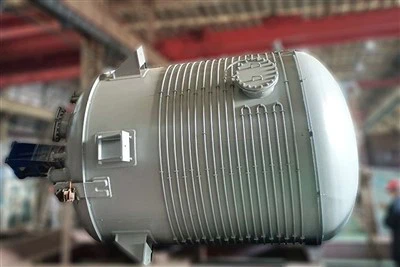
Proper storage of titanium steel clad plates is crucial for maintaining their quality and performance. As a reputable supplier of Titanium Steel Clad Plate, I understand the significance of providing comprehensive guidance on this topic. In this blog, I will share some essential tips and best practices for storing titanium steel clad plates to ensure their longevity and optimal functionality.
Understanding Titanium Steel Clad Plate
Titanium steel clad plate is a composite material that combines the excellent corrosion resistance of titanium with the high strength and affordability of steel. This unique combination makes it a popular choice in various industries, including chemical processing, marine engineering, and power generation. However, due to the different properties of titanium and steel, special care must be taken during storage to prevent damage and degradation.
Storage Environment
The first step in proper storage is to choose an appropriate environment. Titanium steel clad plates should be stored in a dry, well-ventilated area away from direct sunlight, moisture, and corrosive substances. A humidity level of less than 60% is recommended to prevent rusting and corrosion. If possible, the storage area should be temperature-controlled to avoid extreme temperature fluctuations, which can cause thermal stress and damage to the plates.
Handling and Stacking
When handling titanium steel clad plates, it is important to use proper lifting equipment and techniques to avoid scratching or denting the surface. Sharp edges and rough handling can damage the titanium layer, exposing the steel underneath to corrosion. Plates should be lifted using soft slings or pads to distribute the weight evenly and prevent damage.
During stacking, plates should be stacked on a flat, stable surface to prevent warping or bending. A layer of protective material, such as cardboard or plastic sheeting, should be placed between each plate to prevent scratching and abrasion. The stack height should be limited to prevent excessive pressure on the bottom plates, which can cause deformation.
Protection from Corrosion
To protect titanium steel clad plates from corrosion, it is recommended to apply a protective coating or film to the surface. This can help to prevent moisture and oxygen from coming into contact with the plates, reducing the risk of rusting and corrosion. There are various types of protective coatings available, including epoxy, polyurethane, and zinc-rich primers. The choice of coating will depend on the specific application and environmental conditions.
In addition to applying a protective coating, it is also important to regularly inspect the plates for signs of corrosion or damage. Any signs of rust or corrosion should be immediately addressed to prevent further damage. This may involve cleaning the affected area, applying a rust inhibitor, or replacing the damaged plate.
Storage Duration
The storage duration of titanium steel clad plates can also affect their quality and performance. If plates are stored for an extended period of time, it is important to periodically check the condition of the plates and take appropriate measures to prevent damage. This may include re-applying a protective coating, rotating the stack to prevent uneven pressure, or inspecting the plates for signs of corrosion or damage.
Special Considerations for Different Types of Clad Plates
In addition to titanium steel clad plates, there are other types of clad plates available, such as Copper Steel Clad Plate, Two Sides Clad Plate, and Stainless Steel Clad Plate. Each type of clad plate has its own unique properties and storage requirements.
For example, copper steel clad plates are more susceptible to corrosion in acidic environments, so they should be stored in a neutral or slightly alkaline environment. Two sides clad plates require special handling and stacking techniques to ensure that both sides are protected from damage. Stainless steel clad plates are more resistant to corrosion than other types of clad plates, but they still require proper storage to prevent surface damage and maintain their appearance.


Conclusion
Proper storage of titanium steel clad plates is essential for maintaining their quality and performance. By following the tips and best practices outlined in this blog, you can ensure that your plates are stored in a safe and secure environment, free from damage and corrosion. Remember to choose an appropriate storage environment, handle and stack the plates carefully, protect them from corrosion, and regularly inspect them for signs of damage. If you have any questions or need further guidance on storing titanium steel clad plates, please do not hesitate to contact us. We are here to help you ensure the success of your project.
If you are interested in purchasing high-quality titanium steel clad plates or other types of clad plates, such as Copper Steel Clad Plate, Two Sides Clad Plate, or Stainless Steel Clad Plate, please feel free to contact us. Our team of experts will be happy to assist you with your procurement needs and provide you with the best possible solutions.
References
- ASME Boiler and Pressure Vessel Code, Section VIII, Division 1
- ASTM Standards for Clad Plate
- NACE International Standards for Corrosion Prevention