


In the realm of petroleum refining and petrochemical industries, catalytic cracking stands as a pivotal process. It is responsible for converting heavy hydrocarbon fractions into lighter, more valuable products such as gasoline, diesel, and various petrochemical feedstocks. A Catalytic Cracking Test Unit is an indispensable tool for researchers and engineers to study and optimize this complex process. One critical aspect that significantly influences the performance of a Catalytic Cracking Test Unit is the feed injection method. In this blog, we, as a leading Catalytic Cracking Test Unit supplier, will delve into the impact of different feed injection methods on the unit's operation and results.
The Basics of Catalytic Cracking and Test Units
Before we explore the feed injection methods, let's briefly understand the catalytic cracking process and the role of a test unit. Catalytic cracking involves the breaking of large hydrocarbon molecules into smaller ones in the presence of a catalyst at elevated temperatures. This process is crucial for meeting the increasing demand for lighter fuels and petrochemicals.
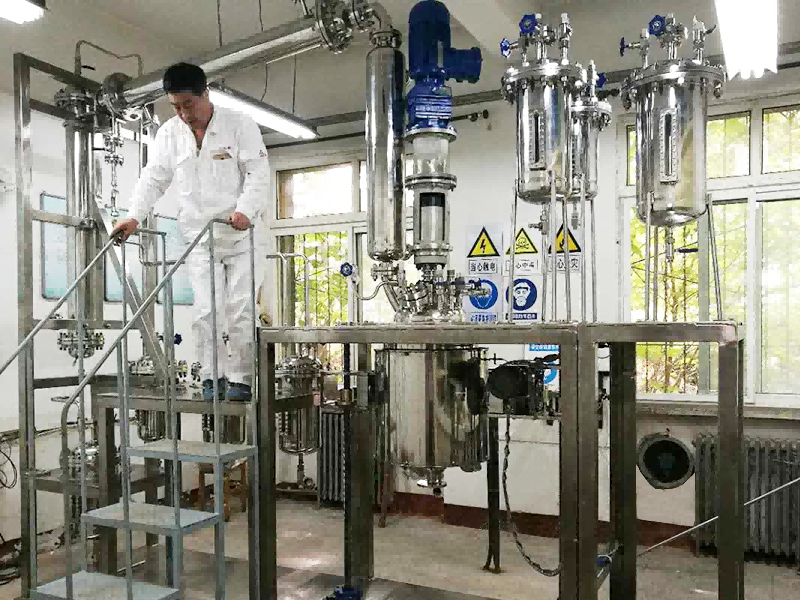
A Catalytic Cracking Test Unit is a scaled - down version of an industrial catalytic cracking unit. It allows researchers to conduct experiments under controlled conditions, study the effects of different catalysts, reaction conditions, and feedstocks. By using a test unit, companies can optimize their industrial processes, develop new catalysts, and improve product yields and qualities before implementing changes on a large scale. You can learn more about our Catalytic Cracking Test Unit on our website.

Different Feed Injection Methods
There are several feed injection methods commonly used in Catalytic Cracking Test Units, each with its own characteristics and implications.
Spray Injection
Spray injection is a widely used method in which the feedstock is atomized into fine droplets and injected into the reactor. This method offers several advantages. Firstly, the fine droplets have a large surface area, which promotes better contact between the feedstock and the catalyst. This enhanced contact leads to more efficient cracking reactions, as the hydrocarbon molecules can more easily interact with the active sites on the catalyst surface.
Secondly, spray injection can provide a more uniform distribution of the feedstock within the reactor. This uniformity helps to ensure that the cracking reactions occur evenly throughout the catalyst bed, reducing the likelihood of hot spots or uneven conversion. However, spray injection also has some limitations. The atomization process requires a certain amount of energy, and the quality of atomization can be affected by factors such as the viscosity of the feedstock and the design of the atomizer.
Liquid - Phase Injection
In liquid - phase injection, the feedstock is injected into the reactor in its liquid state. This method is relatively simple and does not require the complex atomization equipment used in spray injection. Liquid - phase injection is suitable for feedstocks with high viscosities, as it can handle these materials without the need for extensive pre - treatment.
However, liquid - phase injection may result in poor mixing between the feedstock and the catalyst. The large liquid droplets or streams may not disperse well within the catalyst bed, leading to uneven reactions and lower conversion efficiencies. Additionally, the liquid feedstock may cause flooding in the reactor, which can disrupt the flow of gases and reduce the overall performance of the unit.
Vapor - Phase Injection
Vapor - phase injection involves vaporizing the feedstock before injecting it into the reactor. This method ensures that the feedstock is in a highly dispersed state, which promotes excellent contact with the catalyst. Vapor - phase injection is particularly effective for light feedstocks that can be easily vaporized.
The advantage of vapor - phase injection is that it can achieve very high conversion rates due to the efficient mass transfer between the vaporized feedstock and the catalyst. However, vaporizing the feedstock requires a significant amount of energy, and it may not be suitable for heavy feedstocks that have high boiling points and are difficult to vaporize.
Impact on Reaction Kinetics
The feed injection method has a profound impact on the reaction kinetics in a Catalytic Cracking Test Unit.
Reaction Rate
As mentioned earlier, spray injection and vapor - phase injection generally lead to higher reaction rates compared to liquid - phase injection. The better contact between the feedstock and the catalyst in spray and vapor - phase injection allows for more rapid cracking reactions. The large surface area of the atomized droplets in spray injection and the highly dispersed vapor in vapor - phase injection increase the probability of hydrocarbon molecules colliding with the active sites on the catalyst, thereby accelerating the reaction.
Selectivity
Selectivity refers to the ability of the process to produce the desired products while minimizing the formation of unwanted by - products. The feed injection method can influence selectivity. For example, a more uniform feed distribution achieved by spray injection can help to control the reaction conditions more precisely, leading to better selectivity towards the desired products. In contrast, poor mixing in liquid - phase injection may result in over - cracking or incomplete cracking, leading to a lower selectivity for the target products.
Impact on Catalyst Performance
The feed injection method also affects the performance and lifespan of the catalyst.
Catalyst Deactivation
Uneven feed distribution, such as that which can occur in liquid - phase injection, can lead to localized over - cracking and the deposition of coke on the catalyst surface. Coke deposition is a major cause of catalyst deactivation, as it blocks the active sites on the catalyst and reduces its activity. Spray injection and vapor - phase injection, which provide more uniform feed distribution, can help to reduce coke deposition and extend the catalyst's lifespan.
Catalyst Utilization
A good feed injection method can ensure that the catalyst is fully utilized. In spray and vapor - phase injection, the feedstock is more evenly distributed over the catalyst bed, allowing all parts of the catalyst to participate in the cracking reactions. This leads to a higher utilization rate of the catalyst and better overall performance of the test unit.
Impact on Product Quality and Yield
The choice of feed injection method can significantly impact the quality and yield of the products obtained from the Catalytic Cracking Test Unit.
Product Yield
As discussed earlier, methods that promote better contact between the feedstock and the catalyst, such as spray and vapor - phase injection, generally result in higher product yields. The more efficient cracking reactions lead to a greater conversion of the feedstock into the desired products. In contrast, liquid - phase injection may result in lower yields due to poor mixing and incomplete reactions.
Product Quality
The quality of the products, such as the octane number of gasoline and the cetane number of diesel, can also be affected by the feed injection method. A more uniform feed distribution can lead to more consistent cracking reactions, resulting in products with better quality and more stable properties.
Considerations for Choosing the Feed Injection Method
When choosing a feed injection method for a Catalytic Cracking Test Unit, several factors need to be considered.
Feedstock Properties
The properties of the feedstock, such as viscosity, boiling point, and composition, play a crucial role in determining the suitable feed injection method. Heavy and viscous feedstocks may be more suitable for liquid - phase injection, while light feedstocks can be effectively injected in the vapor or spray phase.
Experimental Objectives
The specific objectives of the experiment also influence the choice of feed injection method. If the goal is to study the fundamental reaction kinetics, a method that provides high conversion rates and uniform feed distribution, such as spray or vapor - phase injection, may be preferred. On the other hand, if the focus is on evaluating the performance of the unit with a particular feedstock under more practical conditions, liquid - phase injection may be more appropriate.
Conclusion
In conclusion, the feed injection method has a significant impact on the performance of a Catalytic Cracking Test Unit. It affects reaction kinetics, catalyst performance, product quality, and yield. As a Catalytic Cracking Test Unit supplier, we understand the importance of choosing the right feed injection method for our customers' specific needs. We offer a range of test units with different feed injection options to meet the diverse requirements of the petroleum refining and petrochemical industries.
If you are interested in our Catalytic Cracking Test Unit, or other related facilities such as Distillation Adsorption Extraction Facility and Hydrogenation Test Unit, please feel free to contact us for more information and to discuss your procurement needs. We are committed to providing high - quality products and excellent service to help you achieve your research and production goals.
References
- Smith, J. R., & Johnson, A. B. (2018). Catalytic Cracking: Principles and Applications. Elsevier.
- Brown, C. D., & Green, E. F. (2019). Feedstock Injection Techniques in Catalytic Cracking Reactors. Journal of Petroleum Science and Engineering, 175, 321 - 330.
- White, G. H., & Black, I. J. (2020). Impact of Feed Distribution on Catalyst Performance in Catalytic Cracking. Chemical Engineering Journal, 382, 1229 - 1236.


