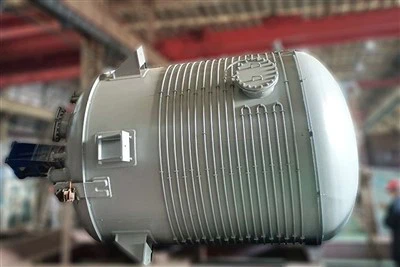
Efficiency in a filter tower is a multifaceted concept that encompasses various aspects of its performance, from the removal of contaminants to the energy consumption and operational lifespan. As a supplier of filter towers, I have witnessed firsthand the critical role these systems play in numerous industries, including chemical processing, water treatment, and air purification. In this blog post, I will delve into the factors that determine the efficiency of a filter tower and how our products are designed to optimize these parameters.
Contaminant Removal Efficiency
At the core of a filter tower's functionality is its ability to remove contaminants from a fluid stream, whether it's air or liquid. The efficiency of this process is measured by the percentage of contaminants that are successfully captured and removed from the incoming stream. This is influenced by several factors, including the type of filter media used, the design of the tower, and the operating conditions.
Filter Media
The choice of filter media is crucial in determining the contaminant removal efficiency. Different media have different pore sizes, surface areas, and chemical properties, which affect their ability to trap specific types of contaminants. For example, activated carbon is commonly used to remove organic compounds and odors due to its high surface area and adsorption capacity. On the other hand, ceramic filters are often employed for their high mechanical strength and resistance to corrosion, making them suitable for filtering abrasive or corrosive fluids.
Our filter towers are equipped with a variety of filter media, carefully selected based on the specific requirements of each application. We work closely with our customers to understand their needs and recommend the most appropriate media to achieve the desired level of contaminant removal. Whether it's a simple particulate filter or a complex multi-stage filtration system, we ensure that our products deliver superior performance and reliability.
Tower Design
The design of the filter tower also plays a significant role in its efficiency. Factors such as the height and diameter of the tower, the arrangement of the filter beds, and the flow distribution system can all impact the contact time between the fluid and the filter media, as well as the overall pressure drop across the tower.
A well-designed filter tower will have a uniform flow distribution, ensuring that the fluid passes through the filter media evenly and maximizing the utilization of the available surface area. This helps to prevent channeling, which can reduce the efficiency of the filtration process by allowing some of the fluid to bypass the filter media. Additionally, the tower should be designed to minimize the pressure drop, which can reduce energy consumption and operating costs.
Our engineering team uses advanced computational fluid dynamics (CFD) modeling to optimize the design of our filter towers. This allows us to simulate the flow behavior inside the tower and make adjustments to the design to improve its performance. We also conduct extensive testing in our state-of-the-art laboratory to validate the design and ensure that it meets the highest standards of quality and efficiency.
Operating Conditions
The operating conditions, such as the flow rate, temperature, and pressure of the fluid, can also affect the efficiency of the filter tower. For example, a higher flow rate may reduce the contact time between the fluid and the filter media, resulting in lower contaminant removal efficiency. Similarly, extreme temperatures or pressures can cause the filter media to degrade or become damaged, reducing its effectiveness.
We provide our customers with detailed operating guidelines to ensure that their filter towers are operated within the recommended parameters. We also offer ongoing technical support to help them troubleshoot any issues that may arise and optimize the performance of their systems.
Energy Efficiency
In addition to contaminant removal efficiency, energy efficiency is another important consideration when evaluating the performance of a filter tower. A filter tower that consumes less energy not only reduces operating costs but also has a lower environmental impact.
Pressure Drop
One of the main factors that affect the energy consumption of a filter tower is the pressure drop across the tower. The pressure drop is the difference in pressure between the inlet and outlet of the tower, and it is caused by the resistance of the filter media to the flow of the fluid. A higher pressure drop requires more energy to pump the fluid through the tower, increasing the operating costs.
To minimize the pressure drop, we use advanced filter media and tower designs that are optimized for low resistance. We also offer a range of energy-efficient pumps and fans that are specifically designed for use with our filter towers. By reducing the pressure drop and using energy-efficient equipment, we can help our customers save on energy costs and reduce their carbon footprint.
Regeneration and Backwashing
Another way to improve the energy efficiency of a filter tower is to optimize the regeneration and backwashing processes. Regeneration is the process of removing the accumulated contaminants from the filter media, while backwashing is the process of reversing the flow of the fluid through the tower to clean the filter media.
Both regeneration and backwashing require energy, so it is important to minimize the frequency and duration of these processes. We use advanced control systems to monitor the performance of the filter tower and automatically initiate the regeneration or backwashing process when necessary. This helps to ensure that the filter media is cleaned effectively while minimizing the energy consumption.
Operational Lifespan
The operational lifespan of a filter tower is another important factor to consider when evaluating its efficiency. A filter tower that has a longer operational lifespan requires less frequent replacement, reducing the maintenance costs and downtime.
Quality of Materials
The quality of the materials used in the construction of the filter tower is a key factor in determining its operational lifespan. We use high-quality materials that are resistant to corrosion, abrasion, and chemical attack, ensuring that our filter towers can withstand the harsh operating conditions of various industries.
In addition to using high-quality materials, we also employ advanced manufacturing processes to ensure the structural integrity of our filter towers. Our products are fabricated using precision machining and welding techniques, and they are subjected to rigorous quality control tests to ensure that they meet the highest standards of quality and reliability.
Maintenance and Service
Proper maintenance and service are essential for ensuring the long-term performance and reliability of a filter tower. We offer a comprehensive range of maintenance and service options, including regular inspections, filter replacement, and system upgrades. Our experienced technicians are trained to diagnose and repair any issues that may arise, and they are available 24/7 to provide emergency support.
By providing our customers with high-quality products and exceptional service, we help them to maximize the operational lifespan of their filter towers and minimize their total cost of ownership.


Conclusion
In conclusion, the efficiency of a filter tower is determined by a combination of factors, including contaminant removal efficiency, energy efficiency, and operational lifespan. As a supplier of filter towers, we are committed to providing our customers with products that are designed to optimize these parameters and deliver superior performance and reliability.
Whether you are looking for a simple particulate filter or a complex multi-stage filtration system, we have the expertise and experience to meet your needs. Our team of engineers and technicians will work closely with you to understand your requirements and recommend the most appropriate solution for your application.
If you are interested in learning more about our filter towers or would like to discuss your specific needs, please contact us today. We look forward to the opportunity to work with you and help you achieve your filtration goals.
References
- Cheremisinoff, N. P. (2002). Handbook of Filter Media. Butterworth-Heinemann.
- Fair, G. M., Geyer, J. C., & Okun, D. A. (1968). Water and Wastewater Engineering: Water Purification, Wastewater Disposal, and Air Pollution Control. John Wiley & Sons.
- Green, D. W., & Perry, R. H. (2007). Perry's Chemical Engineers' Handbook. McGraw-Hill.
Please note that the hyperlinks can be inserted as follows within the text where relevant:
- For "Drying Tower": Drying Tower
- For "Stripping Tower": Stripping Tower
- For "Storage Vessel": Storage Vessel
You can place these hyperlinks in appropriate sections related to these equipment types. For example, if you mention related concepts or comparisons in the text, you can insert the links there.