


Hey there! As a supplier of Catalytic Cracking Test Units, I've been getting a lot of questions lately about how the pore structure of the catalyst affects the performance of these units. So, I thought I'd take a deep dive into this topic and share my insights with all of you.
Let's start by understanding what a catalytic cracking test unit does. In simple terms, it's a piece of equipment that helps us study the process of catalytic cracking. Catalytic cracking is a crucial process in the petroleum refining industry. It breaks down large hydrocarbon molecules into smaller, more valuable ones, like gasoline, diesel, and other petrochemicals. And the catalyst plays a starring role in this process.
Now, the pore structure of the catalyst is like a hidden key that can unlock different levels of performance in the catalytic cracking test unit. There are a few key aspects of the pore structure we need to look at: pore size, pore volume, and pore distribution.
Pore Size
The pore size of the catalyst is a big deal. Think of it like a maze for the hydrocarbon molecules. If the pores are too small, the large hydrocarbon molecules won't be able to enter the catalyst at all. It's like trying to fit an elephant through a mouse hole. On the other hand, if the pores are too large, the molecules might just pass through without getting cracked properly. It's like a highway where cars just drive by without stopping.
For example, in a catalytic cracking test unit, we often deal with different types of hydrocarbons. Some are small and light, while others are large and heavy. A catalyst with a well - tuned pore size can selectively crack the heavy hydrocarbons into lighter ones. If the pore size is just right for the heavy molecules, they can enter the catalyst, interact with the active sites inside the pores, and then break down into smaller, more useful fragments.
In our experience as a Catalytic Cracking Test Unit supplier, we've seen that catalysts with a pore size in the mesoporous range (2 - 50 nanometers) are often very effective. This size range allows for a good balance between the accessibility of large molecules and the efficient cracking process.
Pore Volume
Pore volume is another important factor. It's like the storage space inside the catalyst. A higher pore volume means there's more room for the hydrocarbon molecules to enter and react. When the pore volume is large, the catalyst can hold more molecules at once, which can increase the overall reaction rate.
Imagine a small room and a large hall. In the small room, only a few people can fit and interact. But in the large hall, many more people can come in and have conversations. Similarly, in a catalyst with a large pore volume, more hydrocarbon molecules can enter the pores and interact with the active sites, leading to more cracking reactions.
However, it's not just about having a large pore volume. The distribution of the pores also matters. If the pores are all concentrated in one area, it might not be as effective as having a more evenly distributed pore volume throughout the catalyst.
Pore Distribution
Pore distribution refers to how the pores are spread out within the catalyst. A uniform pore distribution is ideal because it ensures that all parts of the catalyst are being used effectively. If the pores are unevenly distributed, some areas of the catalyst might be over - utilized, while others are hardly used at all.
In a catalytic cracking test unit, a catalyst with a good pore distribution can provide a more consistent and efficient cracking process. It allows the hydrocarbon molecules to access the active sites more evenly, which can lead to better product quality and higher yields.
Now, let's talk about how these factors affect the performance of the catalytic cracking test unit.
Impact on Conversion Rate
The pore structure has a direct impact on the conversion rate of hydrocarbons. A catalyst with the right pore size, volume, and distribution can increase the conversion rate significantly. When the pores are well - designed, more hydrocarbon molecules can enter the catalyst and react, turning into the desired products.
For example, if we have a catalyst with small pores that are evenly distributed and a sufficient pore volume, the heavy hydrocarbons can be effectively cracked into lighter ones. This leads to a higher conversion rate of heavy feedstock into valuable products like gasoline and diesel.
Selectivity
Selectivity is another crucial aspect. It refers to the ability of the catalyst to produce specific products. The pore structure can influence selectivity by controlling which molecules can enter the pores and how they react inside.
A catalyst with a narrow pore size distribution can be very selective. For instance, if we want to produce more gasoline, a catalyst with pores that are just the right size for the gasoline - range molecules can help in selectively cracking the feedstock into gasoline components.
Catalyst Lifetime
The pore structure also affects the lifetime of the catalyst. If the pores are easily blocked by coke (a by - product of the cracking reaction), the catalyst will lose its activity quickly. A catalyst with a well - designed pore structure can resist coking better.
For example, a catalyst with a large and well - distributed pore volume can provide more space for the coke to deposit without completely blocking the pores. This allows the catalyst to maintain its activity for a longer time, reducing the frequency of catalyst replacement in the catalytic cracking test unit.
As a supplier of Catalytic Cracking Test Units, we understand the importance of these factors. That's why we work closely with our customers to ensure they have the right catalyst and test unit setup for their specific needs.
We also offer other related products that can complement the catalytic cracking process. For example, if you're interested in hydrogenation, you might want to check out our Hydrogenation Test Unit. It can help you study the hydrogenation process and optimize your operations.
If you're involved in distillation, adsorption, or extraction, our Distillation Adsorption Extraction Facility is a great option. It provides a comprehensive platform for studying these processes and integrating them with catalytic cracking.
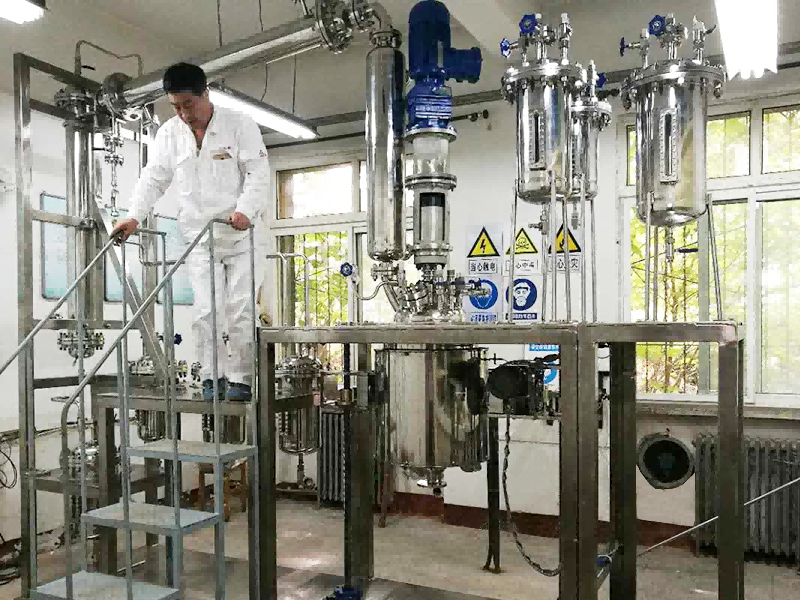

And for those who want to simulate and test semi - industrial scale processes, our Simulation and Semi - industrial Pilot Plant can offer valuable insights.
If you're looking to purchase a Catalytic Cracking Test Unit or have any questions about how the pore structure of the catalyst can affect your operations, don't hesitate to reach out. We're here to help you make the most of your catalytic cracking processes and achieve the best results.
References
- Smith, J. (2020). Catalysis in Petroleum Refining. Elsevier.
- Johnson, A. (2019). Pore Structure Characterization of Catalysts. Journal of Catalysis Research, 15(2), 45 - 56.
- Brown, C. (2021). Advances in Catalytic Cracking Technology. Chemical Engineering Journal, 28(3), 123 - 135.


