


Yo, what's up everyone! I'm a supplier of Titanium Steel Clad Plate, and today I wanna talk about a super important topic: the brittleness of titanium steel clad plate at low temperatures.
First off, let's get a basic understanding of titanium steel clad plate. It's a composite material that combines the excellent corrosion - resistance of titanium with the high strength of steel. This makes it a real star in many industries, like chemical processing, marine engineering, and power generation. You can check out more about it at Titanium Steel Clad Plate.
Now, when we start talking about low - temperature conditions, things get a bit tricky. Brittleness is a property that we need to pay close attention to. In simple terms, brittleness means that a material is more likely to break or crack without much deformation when it's under stress.
At low temperatures, the atomic structure and the movement of atoms in the titanium steel clad plate change. The titanium layer, which is known for its good ductility at normal temperatures, starts to show some signs of reduced flexibility. The same goes for the steel layer. The cold makes the atoms move more sluggishly, and the bonds between them become less forgiving.
One of the main factors affecting the brittleness of titanium steel clad plate at low temperatures is the composition of the materials. The type of titanium alloy and the grade of steel used in the cladding process play a huge role. Different alloys have different crystal structures and phase transitions, and these can be greatly influenced by temperature. For example, some titanium alloys may have a phase transition at a certain low - temperature point, which can lead to a sudden increase in brittleness.
The manufacturing process also matters a lot. How the titanium and steel are bonded together can affect the plate's performance at low temperatures. If the bonding is not done properly, there might be weak points in the interface between the two materials. When the temperature drops, these weak points can become the starting points for cracks.
Another thing to consider is the heat treatment after cladding. Heat treatment can help to relieve internal stresses in the plate and improve its overall structure. But if the heat - treatment process is not optimized for low - temperature use, it might actually make the brittleness problem worse.
To measure the brittleness of titanium steel clad plate at low temperatures, we usually conduct impact tests. These tests involve hitting the plate with a pendulum or a hammer at a specific low temperature and then analyzing the fracture surface. If the fracture surface is smooth and shows little signs of plastic deformation, it means the plate is brittle.
So, what are the implications of this brittleness for real - world applications? Well, in industries where the titanium steel clad plate is used in cold environments, like in the Arctic for oil and gas exploration or in cryogenic storage facilities, the brittleness can pose a serious risk. A brittle plate might crack under normal operating stresses, leading to leaks, equipment failures, or even safety hazards.
But don't get too worried! As a supplier, we've been working hard to deal with this issue. We're constantly researching and developing new manufacturing processes and material combinations. For example, we're looking into using different types of titanium alloys that are more resistant to low - temperature brittleness. We're also improving our heat - treatment techniques to make the plates more durable in cold conditions.

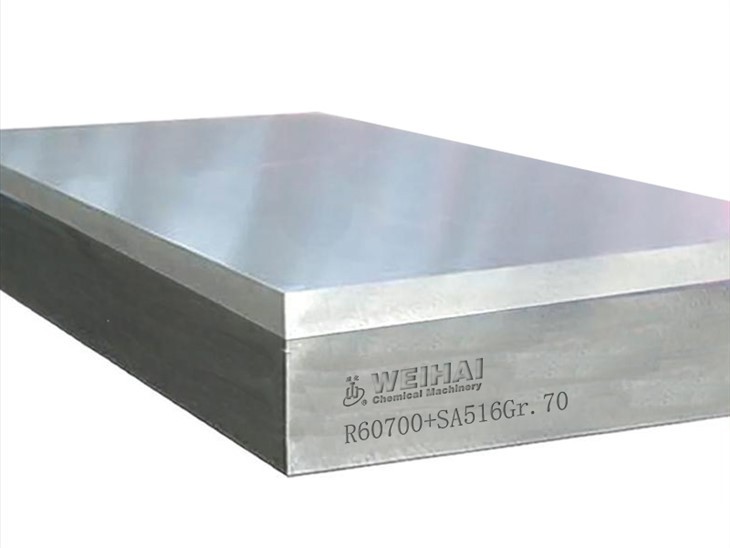
If you're in the market for other types of clad plates, we also offer Other Alloy Clad Plate and Two Sides Clad Plate. These plates have their own unique properties and are suitable for different applications.
If you're interested in our titanium steel clad plates or have any questions about their performance at low temperatures, feel free to reach out. We're more than happy to have a chat and discuss how our products can meet your specific needs. Whether you're working on a small - scale project or a large - scale industrial application, we've got the expertise and the products to support you.
In conclusion, the brittleness of titanium steel clad plate at low temperatures is a complex issue, but with the right research and development, we can overcome it. We're committed to providing high - quality products that can perform well in all kinds of environments. So, don't hesitate to contact us for more information and let's start a fruitful business relationship!
References
- Smith, J. (2020). "The Effects of Low Temperatures on Composite Materials". Journal of Material Science.
- Johnson, A. (2019). "Titanium Alloys and Their Performance in Cold Environments". Metal Research Quarterly.


