


Hey there! As a pressure vessels supplier, I often get asked about the temperature limits for these crucial pieces of equipment. In this blog, I'll break down what those limits are, why they matter, and how they can impact your operations.
Understanding Pressure Vessels
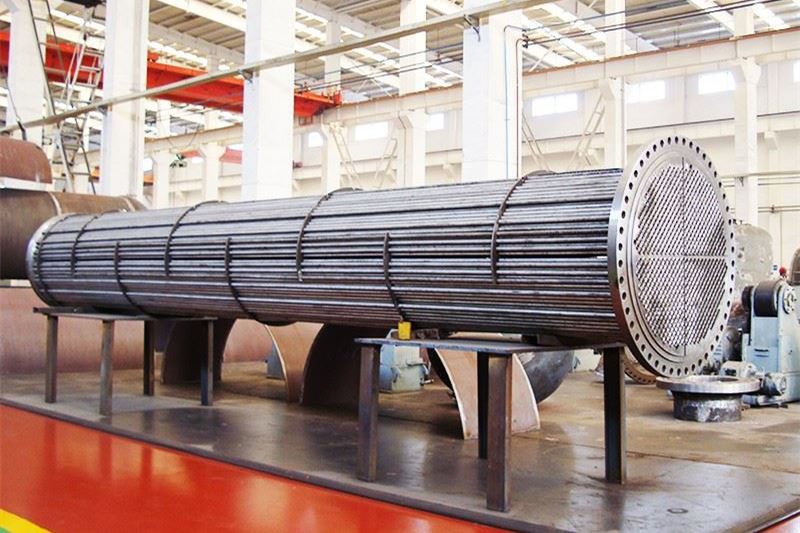
First off, let's quickly go over what pressure vessels are. They're containers designed to hold gases or liquids at a pressure significantly different from the ambient pressure. You can find them in a wide range of industries, from chemical processing to power generation. Some common types of pressure vessels we supply include the Absorption Tower, Fixed Tube Sheet Heat Exchanger, and Drying Tower.
Why Temperature Limits Matter
Temperature limits are super important for pressure vessels. When a vessel is exposed to temperatures outside its designed range, it can lead to all sorts of problems. High temperatures can cause the material of the vessel to weaken, reducing its ability to withstand pressure. This can result in deformation, cracking, or even catastrophic failure. On the other hand, low temperatures can make the material brittle, increasing the risk of fractures.
Factors Affecting Temperature Limits
There are several factors that determine the temperature limits of a pressure vessel.
Material Selection
The type of material used to construct the vessel plays a huge role. Different materials have different temperature tolerances. For example, carbon steel is a common choice for many pressure vessels because it's relatively inexpensive and has good mechanical properties. However, its performance can degrade at high temperatures, especially when exposed to corrosive environments. Stainless steel, on the other hand, offers better resistance to corrosion and can handle higher temperatures in many cases.
Design and Construction
The design and construction of the pressure vessel also impact its temperature limits. Vessels with thicker walls can generally withstand higher temperatures because they have more material to dissipate heat. Additionally, the welding and fabrication techniques used can affect the integrity of the vessel at extreme temperatures. Proper heat treatment during construction can also improve the material's performance.

Operating Conditions
The specific operating conditions of the pressure vessel are crucial. Factors such as the type of fluid or gas inside the vessel, the pressure it's under, and the duration of exposure to high or low temperatures all need to be considered. For example, a vessel containing a highly reactive chemical may have more stringent temperature limits to prevent unwanted chemical reactions.
Typical Temperature Limits
The temperature limits for pressure vessels can vary widely depending on the factors mentioned above.
Low-Temperature Limits
For many carbon steel pressure vessels, the low-temperature limit is around -20°C to -50°C. Beyond these temperatures, the steel can become brittle and prone to cracking. However, special low-temperature steels can be used to lower this limit further. In applications where extremely low temperatures are required, such as in cryogenic storage, materials like stainless steel or aluminum alloys are often used, which can handle temperatures as low as -200°C or even lower.
High-Temperature Limits
At the high end, the temperature limits also depend on the material. Carbon steel vessels typically have a high-temperature limit of around 400°C to 500°C. Above this temperature, the strength of the steel starts to decrease significantly. Stainless steel vessels can generally handle higher temperatures, with some grades capable of operating at up to 800°C or more. In applications where extremely high temperatures are involved, such as in some power generation processes, specialized materials like nickel-based alloys may be used, which can withstand temperatures well above 1000°C.
Monitoring and Controlling Temperature
To ensure the safe operation of pressure vessels, it's essential to monitor and control the temperature. This can be done using temperature sensors installed at key points on the vessel. These sensors can provide real-time data on the temperature, allowing operators to take action if the temperature approaches the limits.
There are also various control mechanisms available to regulate the temperature. For example, in a heat exchanger, the flow rate of the hot or cold fluid can be adjusted to maintain the desired temperature. In some cases, insulation can be used to reduce heat transfer and keep the temperature within the acceptable range.
Conclusion
In conclusion, understanding the temperature limits for pressure vessels is crucial for ensuring their safe and efficient operation. As a pressure vessels supplier, we take all these factors into account when designing and manufacturing our products. We work closely with our customers to understand their specific requirements and recommend the most suitable materials and designs to meet their temperature needs.
If you're in the market for pressure vessels and have questions about temperature limits or any other aspect of our products, don't hesitate to reach out. We're here to help you find the right solution for your application. Let's start a conversation and see how we can work together to meet your pressure vessel needs.
References
- ASME Boiler and Pressure Vessel Code
- API Standards for Pressure Vessels
- Material Science and Engineering textbooks on metal properties and behavior at different temperatures.


