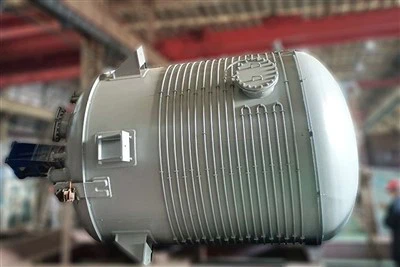
Hey there! As a pressure vessels supplier, I've seen firsthand the challenges that stress - corrosion cracking (SCC) can pose to these crucial pieces of equipment. SCC is a real headache in the industry, as it can lead to catastrophic failures, costly repairs, and even safety hazards. In this blog, I'm gonna share some effective prevention methods for stress - corrosion cracking in pressure vessels.
Understanding Stress - Corrosion Cracking
Before we dive into the prevention methods, let's quickly understand what SCC is. Stress - corrosion cracking is a type of failure that occurs when a material is exposed to a corrosive environment while under tensile stress. It's like a double - whammy. The corrosion weakens the material, and the stress exacerbates the damage, leading to cracks that can spread rapidly and cause the vessel to fail.
There are several factors that contribute to SCC, including the type of material, the nature of the corrosive environment, and the level of stress. For example, stainless steels are prone to SCC in chloride - containing environments, while carbon steels can crack in caustic solutions.
Material Selection
One of the most effective ways to prevent SCC is through proper material selection. When choosing materials for pressure vessels, we need to consider the specific corrosive environment they'll be exposed to.
For environments with high chloride content, we might opt for materials like duplex stainless steels or nickel - based alloys. These materials have better resistance to chloride - induced SCC compared to regular austenitic stainless steels. Duplex stainless steels, for instance, have a two - phase microstructure that provides enhanced strength and corrosion resistance. They're often used in applications like Absorption Tower where chloride - containing solutions are present.
In caustic environments, we can select materials such as high - nickel alloys or certain types of carbon steels with proper heat treatment. High - nickel alloys like Inconel have excellent resistance to caustic cracking, making them a great choice for Reactor applications where caustic solutions are used.
Design and Fabrication
Good design and fabrication practices also play a crucial role in preventing SCC.
First, we need to minimize stress concentrations in the vessel. Sharp corners, notches, and sudden changes in cross - section can create areas of high stress, which are more prone to SCC. So, we design the vessels with smooth curves and gradual transitions. For example, when fabricating a Drying Tower, we make sure the joints are well - rounded to reduce stress concentrations.
Proper welding techniques are also essential. Welding can introduce residual stresses and change the microstructure of the material, making it more susceptible to SCC. We use techniques like pre - heating and post - weld heat treatment to relieve these residual stresses. Pre - heating the material before welding helps to reduce the cooling rate, which in turn reduces the formation of hard and brittle microstructures. Post - weld heat treatment can further relieve residual stresses and improve the corrosion resistance of the welded area.
Corrosion Control
Controlling corrosion is another key aspect of preventing SCC. There are several ways to do this.
One common method is the use of corrosion inhibitors. These are chemicals that can be added to the process fluid to reduce the rate of corrosion. For example, in a water - filled pressure vessel, we can add corrosion inhibitors like nitrites or phosphates to protect the metal surface.
Coatings are also a popular choice for corrosion control. We can apply protective coatings on the inner and outer surfaces of the pressure vessel to isolate the metal from the corrosive environment. Epoxy coatings, for example, provide a good barrier against various corrosive agents. They can be applied to the internal surfaces of vessels to prevent contact between the metal and the process fluid.
Monitoring and Inspection
Regular monitoring and inspection are vital to detect SCC at an early stage. We can use non - destructive testing (NDT) methods to check for cracks and other defects in the pressure vessel.
Ultrasonic testing is a commonly used NDT method. It uses high - frequency sound waves to detect internal flaws in the material. By sending ultrasonic waves through the vessel wall, we can identify the presence of cracks and determine their size and location.
Another method is eddy - current testing, which is particularly useful for detecting surface and near - surface defects. It works by inducing eddy currents in the metal and measuring the changes in the electrical conductivity caused by defects.
In addition to NDT, we also need to monitor the operating conditions of the pressure vessel. Parameters like temperature, pressure, and the chemical composition of the process fluid can affect the likelihood of SCC. By keeping a close eye on these parameters, we can take preventive measures if necessary.
Operational Considerations
Finally, proper operation and maintenance of the pressure vessel are essential for preventing SCC.
We need to ensure that the vessel operates within its designed limits. Over - pressurization or over - temperature can increase the stress levels in the vessel and make it more prone to SCC. So, we install pressure and temperature sensors to monitor these parameters and set up alarms to alert operators if the limits are exceeded.
Regular maintenance is also crucial. This includes cleaning the vessel to remove any deposits that could promote corrosion, checking the integrity of the coatings, and replacing any damaged components.
Conclusion
Stress - corrosion cracking is a serious issue for pressure vessels, but by implementing these prevention methods, we can significantly reduce the risk. From proper material selection to good design, fabrication, corrosion control, monitoring, and operational practices, every step plays an important role in keeping the pressure vessels safe and reliable.
If you're in the market for high - quality pressure vessels that are designed to resist stress - corrosion cracking, we're here to help. We've got the expertise and experience to provide you with the best solutions for your specific needs. Whether it's an Absorption Tower, a Reactor, or a Drying Tower, we can offer customized vessels that meet your requirements. Don't hesitate to reach out and start a conversation about your procurement needs.


References
- ASME Boiler and Pressure Vessel Code
- NACE International Standards on Corrosion Prevention
- "Corrosion Engineering" by Mars G. Fontana