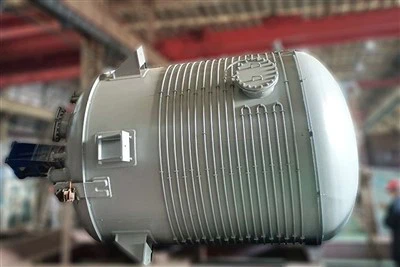
In the world of industrial research and development, pilot plants play a pivotal role. As a well - established pilot plants supplier, I've witnessed firsthand the importance of quality assurance systems in these facilities. A pilot plant is a scaled - down version of a full - scale industrial plant, used for research, testing, and process development. Ensuring high - quality output in a pilot plant is not only crucial for accurate research results but also for future commercialization.
1. The Foundation of Quality Assurance in Pilot Plants
Quality assurance in a pilot plant starts with a well - defined set of standards and procedures. These standards should cover every aspect of the plant's operation, from the design and construction phase to daily operations and maintenance.
Design and Construction
During the design phase, it's essential to follow industry - recognized codes and standards. For example, the American Society of Mechanical Engineers (ASME) provides guidelines for pressure vessels, piping, and other mechanical components. Adhering to these standards ensures that the equipment is safe, reliable, and fit for purpose.
In addition, the layout of the pilot plant should be carefully planned. Proper spacing between equipment is necessary to allow for easy access for maintenance and safety in case of emergencies. The design should also take into account the flow of materials and personnel, minimizing the risk of cross - contamination and accidents.
As a supplier, we ensure that our [Coal Chemical Pilot Plant](/pilot - plants/coal - chemical - pilot - plant.html) is designed with the latest safety and quality standards in mind. This includes using high - quality materials for construction, such as corrosion - resistant alloys in areas where chemicals are handled.
Equipment Selection
Selecting the right equipment is another key factor in quality assurance. Each piece of equipment should be carefully evaluated based on its performance, reliability, and compatibility with the overall process. For instance, in a [Polymer Rubber Test Unit](/pilot - plants/polymer - rubber - test - unit.html), the mixing equipment should be able to provide a homogeneous blend of polymers and additives.

We source equipment from reputable manufacturers and conduct thorough quality checks before installation. This includes performance testing, calibration, and verification of the equipment's specifications. Only equipment that meets our strict quality criteria is used in our pilot plants.
2. Operational Quality Assurance
Once the pilot plant is up and running, continuous quality assurance is required during operations.
Process Monitoring
Real - time process monitoring is essential to ensure that the process parameters are within the specified limits. This can be achieved through the use of sensors and control systems. For example, in a [Catalytic Cracking Test Unit](/pilot - plants/catalytic - cracking - test - unit.html), temperature, pressure, and flow rate sensors are used to monitor the cracking process.
The data collected from these sensors is analyzed continuously. Any deviations from the set parameters are immediately flagged, and corrective actions are taken. This could involve adjusting the process settings, checking the equipment for malfunctions, or investigating potential feedstock issues.
Personnel Training
Well - trained personnel are the backbone of a high - quality pilot plant operation. All operators should receive comprehensive training on the equipment, processes, and safety procedures. Training programs should be updated regularly to reflect new technologies and best practices.
We provide our clients with detailed training manuals and on - site training sessions. Our training programs cover everything from basic equipment operation to advanced troubleshooting techniques. This ensures that the operators can handle any situation that may arise during the plant's operation.
3. Quality Control in Sampling and Analysis
Sampling and analysis are critical steps in ensuring the quality of the products produced in a pilot plant.
Sampling Procedures
Proper sampling procedures are necessary to obtain representative samples. Samples should be taken at regular intervals and from different locations in the process to ensure that the entire batch is accounted for. For example, in a chemical pilot plant, samples may be taken from the inlet, outlet, and various points within the reaction vessel.
The samples should be handled carefully to avoid contamination. They should be labeled correctly and stored under appropriate conditions until analysis.
Analytical Methods
Accurate analytical methods are required to determine the quality of the samples. This may involve using various techniques such as chromatography, spectroscopy, and titration. The analytical equipment should be calibrated regularly to ensure accurate results.
We work closely with our clients to develop appropriate sampling and analysis plans. Our team of experts can recommend the most suitable analytical methods based on the specific requirements of the project.
4. Documentation and Traceability
Documentation is an integral part of quality assurance in a pilot plant. All processes, procedures, and results should be documented thoroughly.
Standard Operating Procedures (SOPs)
Standard operating procedures should be developed for every aspect of the pilot plant operation. These SOPs should be clear, concise, and easy to follow. They should include step - by - step instructions for equipment operation, maintenance, sampling, and analysis.

All operators should be trained on the SOPs, and any changes to the procedures should be documented and communicated to the relevant personnel.
Record - Keeping
Detailed records should be kept of all plant operations, including process parameters, equipment maintenance, sampling results, and any deviations from the normal operation. These records serve as a valuable source of information for troubleshooting, process improvement, and regulatory compliance.
Traceability is also important. Every product or sample should be traceable back to its source, including the raw materials used, the process conditions, and the personnel involved. This helps in identifying the root cause of any quality issues and taking appropriate corrective actions.
5. Regulatory Compliance
Pilot plants are subject to various regulations, depending on the industry and the nature of the processes involved. Compliance with these regulations is essential for quality assurance and the safety of the personnel and the environment.
Environmental Regulations
Pilot plants may generate waste, emissions, and other environmental impacts. They must comply with local, national, and international environmental regulations. This may involve treating waste before disposal, controlling emissions, and minimizing the use of hazardous materials.
Safety Regulations
Safety is a top priority in a pilot plant. Regulations govern aspects such as fire safety, electrical safety, and chemical handling. Adequate safety measures, such as emergency shutdown systems, personal protective equipment, and safety training, should be in place.
We ensure that all our pilot plants are designed and operated in compliance with the relevant regulations. Our team stays updated on the latest regulatory requirements and helps our clients implement the necessary measures.
6. Continuous Improvement
Quality assurance in a pilot plant is an ongoing process. Continuous improvement is essential to enhance the efficiency, reliability, and quality of the plant's operation.
Root Cause Analysis
When quality issues arise, a root cause analysis should be conducted. This involves identifying the underlying cause of the problem, rather than just addressing the symptoms. Once the root cause is identified, corrective and preventive actions can be taken to prevent similar issues from occurring in the future.
Benchmarking
Benchmarking against industry best practices can also help in identifying areas for improvement. By comparing the performance of the pilot plant with other similar facilities, opportunities for optimization can be identified.
As a supplier, we are committed to helping our clients improve the quality of their pilot plant operations. We offer after - sales support, including technical advice, equipment upgrades, and process optimization services.
Conclusion
In conclusion, a comprehensive quality assurance system is essential for the success of a pilot plant. It encompasses every aspect of the plant's operation, from design and construction to daily operations and continuous improvement. As a pilot plants supplier, we understand the importance of quality and are dedicated to providing our clients with high - quality pilot plants and support services.

If you are in the market for a pilot plant or looking to improve the quality assurance system of your existing facility, we would be delighted to discuss your requirements. Contact us to start a fruitful discussion about your specific needs and how we can help you achieve your goals.
References
- American Society of Mechanical Engineers (ASME). Boiler and Pressure Vessel Code.
- Various industry - specific regulatory documents and standards related to environmental and safety regulations.