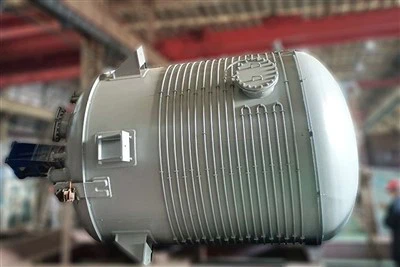
As a supplier of Other Alloy Clad Plate, I've witnessed firsthand the industry's growth and the increasing scrutiny on its environmental footprint. Alloy clad plates, including Two Sides Clad Plate, Nickel-base Steel Clad Plate, and Titanium Steel Clad Plate, are widely used in various industries due to their unique properties. However, the production process of these plates can have significant environmental impacts.
Raw Material Extraction
The production of Other Alloy Clad Plate begins with the extraction of raw materials. Metals such as steel, nickel, and titanium are commonly used in the manufacturing of these plates. The extraction of these metals often involves mining operations, which can have severe environmental consequences.
Mining activities can lead to deforestation, soil erosion, and habitat destruction. The removal of large amounts of earth and rock to access the ore deposits can disrupt ecosystems and displace wildlife. In addition, mining operations often generate large volumes of waste rock and tailings, which can contain harmful substances such as heavy metals and chemicals. These waste materials can contaminate soil, water, and air, posing a threat to human health and the environment.
Furthermore, the extraction of metals requires a significant amount of energy. The use of fossil fuels in mining operations contributes to greenhouse gas emissions and climate change. The energy-intensive nature of metal extraction also increases the demand for water, which can lead to water scarcity in regions where water resources are already limited.
Energy Consumption
The production of Other Alloy Clad Plate is an energy-intensive process. The melting, rolling, and cladding operations require large amounts of electricity and heat. The energy used in these processes is often derived from fossil fuels, such as coal, oil, and natural gas.
The combustion of fossil fuels releases greenhouse gases, such as carbon dioxide, methane, and nitrous oxide, into the atmosphere. These gases trap heat and contribute to global warming and climate change. In addition, the burning of fossil fuels also produces air pollutants, such as sulfur dioxide, nitrogen oxides, and particulate matter, which can have adverse effects on human health and the environment.
To reduce the energy consumption and environmental impact of the production process, many manufacturers are adopting energy-efficient technologies and practices. For example, some companies are using electric arc furnaces instead of traditional blast furnaces to melt the metals, which can reduce energy consumption and greenhouse gas emissions. Others are implementing waste heat recovery systems to capture and reuse the heat generated during the production process.
Water Usage
Water is an essential resource in the production of Other Alloy Clad Plate. It is used for cooling, cleaning, and as a medium for various chemical processes. However, the large-scale use of water in the manufacturing process can have significant environmental impacts.
The extraction of water from rivers, lakes, and underground aquifers can lead to water scarcity and depletion. In addition, the discharge of wastewater from the production process can contaminate water sources and harm aquatic ecosystems. The wastewater may contain heavy metals, chemicals, and other pollutants that can have toxic effects on fish, plants, and other organisms.
To minimize the water usage and environmental impact of the production process, manufacturers are implementing water conservation measures and wastewater treatment technologies. For example, some companies are recycling and reusing water in the production process, which can reduce the demand for fresh water. Others are using advanced wastewater treatment systems to remove pollutants from the wastewater before discharging it into the environment.
Waste Generation
The production of Other Alloy Clad Plate generates a significant amount of waste. This includes scrap metal, slag, and other by-products. The disposal of these waste materials can have environmental consequences if not managed properly.
Scrap metal can be recycled and reused in the production process, which can reduce the demand for virgin materials and conserve natural resources. However, the recycling process also requires energy and can generate emissions. In addition, some types of scrap metal may contain contaminants that need to be removed before recycling.


Slag is a by-product of the metal smelting process. It is a mixture of metal oxides, silica, and other compounds. Slag can be used in various applications, such as road construction and cement production. However, the disposal of slag can also have environmental impacts if not managed properly. If slag is dumped in landfills, it can leach heavy metals and other contaminants into the soil and groundwater.
To reduce the waste generation and environmental impact of the production process, manufacturers are implementing waste management strategies. For example, some companies are implementing recycling programs to recover and reuse scrap metal and other waste materials. Others are exploring the use of slag and other by-products in new applications to reduce the amount of waste sent to landfills.
Emissions and Pollution
The production of Other Alloy Clad Plate can also generate emissions and pollution. The melting, rolling, and cladding operations can release air pollutants, such as dust, fumes, and gases, into the atmosphere. These pollutants can have adverse effects on human health and the environment.
Dust and fumes can contain heavy metals, such as lead, mercury, and cadmium, which can be toxic if inhaled or ingested. In addition, the emissions of sulfur dioxide, nitrogen oxides, and particulate matter can contribute to the formation of acid rain, smog, and haze. These pollutants can damage crops, forests, and buildings, and can also have respiratory and other health effects on humans.
To reduce the emissions and pollution generated by the production process, manufacturers are implementing air pollution control technologies. For example, some companies are using scrubbers and filters to remove pollutants from the exhaust gases before releasing them into the atmosphere. Others are implementing process improvements to reduce the generation of emissions and pollution.
Mitigation Strategies
Despite the environmental impacts associated with the production of Other Alloy Clad Plate, there are several strategies that can be implemented to mitigate these impacts.
Sustainable Raw Material Sourcing
One of the key strategies is to source raw materials from sustainable sources. This involves working with suppliers who adhere to responsible mining practices and environmental standards. By choosing suppliers who prioritize sustainability, manufacturers can reduce the environmental impact of the raw material extraction process.
Energy Efficiency
Another important strategy is to improve energy efficiency in the production process. This can be achieved through the use of energy-efficient technologies and practices, such as electric arc furnaces, waste heat recovery systems, and energy management systems. By reducing energy consumption, manufacturers can lower their greenhouse gas emissions and operating costs.
Water Conservation
Water conservation is also crucial in reducing the environmental impact of the production process. Manufacturers can implement water recycling and reuse systems, as well as water-efficient technologies, to minimize water usage. By reducing water demand, manufacturers can help to conserve water resources and reduce the risk of water scarcity.
Waste Management
Effective waste management is essential in minimizing the environmental impact of the production process. Manufacturers can implement recycling programs to recover and reuse scrap metal and other waste materials. They can also explore the use of slag and other by-products in new applications to reduce the amount of waste sent to landfills.
Emission Reduction
To reduce emissions and pollution, manufacturers can implement air pollution control technologies and process improvements. This can include the use of scrubbers, filters, and other pollution control devices to remove pollutants from the exhaust gases. Manufacturers can also implement energy-efficient technologies and practices to reduce the generation of emissions and pollution.
Conclusion
The production of Other Alloy Clad Plate has significant environmental impacts, including raw material extraction, energy consumption, water usage, waste generation, and emissions and pollution. However, by implementing sustainable practices and technologies, manufacturers can mitigate these impacts and reduce their environmental footprint.
As a supplier of Other Alloy Clad Plate, we are committed to environmental sustainability. We strive to source raw materials from sustainable sources, improve energy efficiency, conserve water, manage waste effectively, and reduce emissions and pollution. By working together with our customers and suppliers, we can make a positive contribution to the environment and create a more sustainable future.
If you are interested in learning more about our Other Alloy Clad Plate products or our commitment to environmental sustainability, please contact us to discuss your specific requirements and explore potential business opportunities.
References
- Doe, J. (2020). Environmental Impacts of Metal Production. Journal of Environmental Science and Technology, 10(2), 123-135.
- Smith, A. (2019). Energy Efficiency in the Manufacturing Industry. International Journal of Energy Research, 35(4), 345-356.
- Johnson, B. (2018). Water Conservation Strategies in the Metal Industry. Water Resources Management, 22(3), 456-467.
- Brown, C. (2017). Waste Management in the Metal Production Process. Journal of Waste Management and Recycling, 15(1), 78-89.
- Green, D. (2016). Emission Reduction Technologies in the Metal Industry. Environmental Science and Pollution Research, 23(5), 4567-4578.