Noise pollution is a significant concern in coal chemical pilot plants, where various equipment and processes generate high levels of noise. As a leading supplier of Coal Chemical Pilot Plant, we understand the importance of addressing this issue to ensure a safe and comfortable working environment for operators and nearby communities. In this blog post, we will explore effective strategies to reduce noise in a coal chemical pilot plant.
Understanding the Sources of Noise in a Coal Chemical Pilot Plant
Before we can effectively reduce noise, it is essential to understand its sources. In a coal chemical pilot plant, the primary sources of noise include:
- Mechanical Equipment: Pumps, compressors, fans, and motors are common sources of mechanical noise. These machines generate noise through vibration, friction, and the movement of air or fluid.
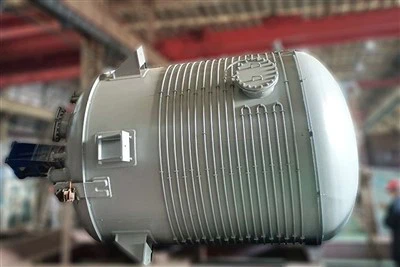
- Process Equipment: Reactors, distillation columns, and heat exchangers can also produce significant noise during operation. The chemical reactions, fluid flow, and pressure changes within these equipment contribute to the noise levels.
- Piping and Ductwork: The flow of fluids through pipes and ducts can create turbulence and vibration, resulting in noise. Improperly designed or installed piping systems can exacerbate this problem.
- Valves and Fittings: Valves and fittings can produce noise due to the sudden changes in fluid flow and pressure. Leaking valves or loose fittings can also contribute to increased noise levels.
Strategies for Reducing Noise in a Coal Chemical Pilot Plant
Based on our experience and expertise in the field, we recommend the following strategies to reduce noise in a coal chemical pilot plant:
1. Equipment Selection and Design
- Choose Low-Noise Equipment: When selecting equipment for the pilot plant, consider the noise levels generated by different models. Opt for equipment that is specifically designed to operate quietly, such as low-noise pumps, compressors, and fans.
- Proper Equipment Sizing: Ensure that the equipment is properly sized for the intended application. Oversized equipment can operate at lower efficiency and generate more noise, while undersized equipment may be overloaded and produce excessive noise.
- Isolate Equipment: Mount equipment on vibration isolators or rubber pads to reduce the transmission of vibration and noise to the surrounding structure. This can significantly reduce the overall noise levels in the plant.
2. Process Optimization
- Optimize Process Conditions: Review and optimize the process conditions to minimize the generation of noise. For example, adjusting the flow rates, pressures, and temperatures can help reduce the noise produced by the equipment.
- Use Noise-Reducing Technologies: Consider using noise-reducing technologies such as mufflers, silencers, and acoustic enclosures. These devices can be installed on equipment or piping systems to absorb or reflect noise, reducing its transmission to the surrounding environment.
- Implement Process Control Strategies: Implement process control strategies to ensure that the equipment operates within its designed parameters. This can help prevent excessive noise generation due to abnormal operating conditions.
3. Piping and Ductwork Design
- Proper Piping Layout: Design the piping system to minimize turbulence and vibration. Use smooth bends, elbows, and reducers to reduce the resistance to fluid flow and prevent the formation of eddies and vortices.
- Insulate Piping and Ductwork: Insulate the piping and ductwork with acoustic materials to reduce the transmission of noise. This can be particularly effective for high-velocity or high-pressure piping systems.
- Support Piping and Ductwork: Provide adequate support for the piping and ductwork to prevent vibration and movement. Use flexible connectors and expansion joints to absorb thermal expansion and contraction, reducing the stress on the piping system.
4. Building Design and Layout
- Design for Noise Control: Incorporate noise control measures into the building design and layout. Use acoustic materials in the walls, floors, and ceilings to absorb and reflect noise. Provide separate rooms or areas for noisy equipment to isolate the noise from other parts of the plant.
- Create Buffer Zones: Establish buffer zones between the pilot plant and nearby communities or sensitive areas. These buffer zones can be used to absorb and disperse noise, reducing its impact on the surrounding environment.
- Use Landscaping: Plant trees and shrubs around the pilot plant to act as natural sound barriers. Vegetation can absorb and deflect noise, reducing its transmission to the surrounding area.
5. Maintenance and Monitoring
- Regular Maintenance: Perform regular maintenance on the equipment and piping systems to ensure that they are operating properly. Check for loose fittings, worn bearings, and other potential sources of noise. Replace any damaged or worn components promptly.
- Monitor Noise Levels: Install noise monitoring equipment in the pilot plant to continuously monitor the noise levels. This can help identify areas where noise reduction measures are needed and track the effectiveness of the implemented measures.
- Employee Training: Provide training to employees on the importance of noise control and the proper use of personal protective equipment (PPE). Encourage employees to report any noise-related issues or concerns promptly.
The Role of Our Products in Noise Reduction
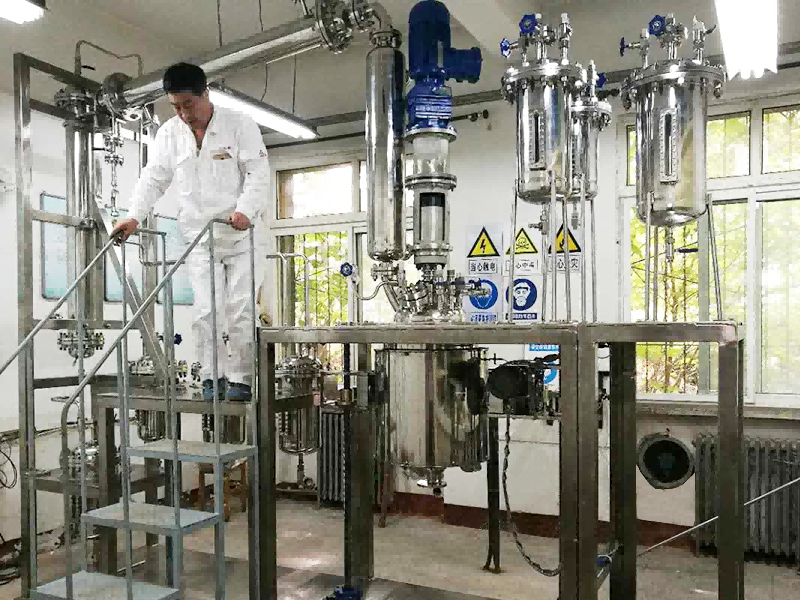
As a supplier of Coal Chemical Pilot Plant, we offer a range of products that can help reduce noise in the plant. Our Lab Autoclave and Distillation Adsorption Extraction Facility are designed with noise reduction in mind. These products are equipped with advanced noise control features, such as acoustic enclosures, mufflers, and vibration isolators, to minimize the noise generated during operation.
In addition, our engineering team can work closely with you to design and optimize the pilot plant layout and equipment selection to further reduce noise levels. We have extensive experience in noise control and can provide customized solutions to meet your specific requirements.

Conclusion
Reducing noise in a coal chemical pilot plant is essential for the safety and well-being of operators and the surrounding environment. By implementing the strategies outlined in this blog post and using our noise-reducing products, you can effectively minimize the noise levels in your pilot plant. If you have any questions or need further assistance with noise reduction in your coal chemical pilot plant, please do not hesitate to contact us. We are here to help you create a safe and quiet working environment.
References
- [Insert relevant references here]