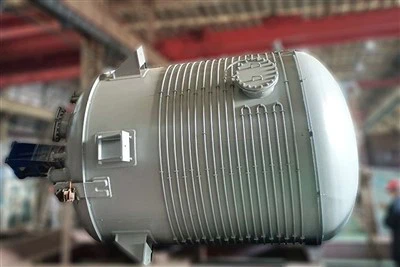
Hey there! As a supplier of Hydrogenation Reactors, I've had my fair share of dealing with these powerful pieces of equipment. One question that often pops up is, "What are the energy consumption characteristics of a hydrogenation reactor?" Well, let's dive right in and break it down.
First off, it's important to understand what a hydrogenation reactor does. In simple terms, it's a vessel where hydrogenation reactions take place. These reactions involve adding hydrogen to a substance, often to change its chemical properties. This process is used in a wide range of industries, from food production to petrochemicals.
Now, let's talk about energy consumption. There are a few key factors that influence how much energy a hydrogenation reactor uses.
1. Temperature and Pressure Requirements
Hydrogenation reactions usually require specific temperature and pressure conditions to occur. Maintaining these conditions is a major energy - guzzler. For instance, if a reaction needs to happen at high temperatures, you'll need to use a heating system to keep the reactor warm. This could involve electric heaters or steam jackets. The higher the temperature required, the more energy it takes to maintain it.
Similarly, high - pressure reactions need compressors to keep the hydrogen and other reactants at the right pressure. These compressors consume a significant amount of electricity. The more pressure you need, the more power the compressor has to use.
2. Stirring Mechanisms
Most hydrogenation reactors have a stirring mechanism to ensure that the reactants are well - mixed. This helps the reaction occur more efficiently. There are different types of stirrers, and each has its own energy consumption characteristics.
For example, our Magnetically Driven Stirred Reactor uses a magnetic coupling to drive the stirrer. This type of stirrer is known for its energy efficiency because it reduces friction compared to traditional mechanical stirrers. With less friction, less energy is wasted as heat, and more is used to actually stir the contents of the reactor.
On the other hand, some large - scale reactors might use more powerful stirrers that can handle high - viscosity fluids. These stirrers generally consume more energy because they need to overcome greater resistance to move the fluid.
3. Reaction Kinetics
The nature of the hydrogenation reaction itself also affects energy consumption. Some reactions are exothermic, which means they release heat as they occur. In these cases, you might be able to use the heat generated by the reaction to maintain the temperature of the reactor, reducing the need for external heating.
However, endothermic reactions absorb heat. For these reactions, you'll have to supply energy continuously to keep the reaction going. The rate of the reaction also matters. Faster reactions might require more energy to maintain the optimal conditions for the reactants to interact quickly.
4. Reactor Size
The size of the hydrogenation reactor plays a role in energy consumption. Larger reactors generally need more energy to heat, pressurize, and stir. This is because there's more volume to heat up, more gas to compress, and more fluid to mix.
But it's not always a straightforward relationship. Sometimes, larger reactors can be more energy - efficient on a per - unit - output basis. For example, they might have better insulation, which reduces heat loss. Also, they can often take advantage of economies of scale when it comes to powering the stirring and heating systems.
5. Catalyst Efficiency
Catalysts are substances that speed up chemical reactions without being consumed in the process. In hydrogenation reactors, a good catalyst can significantly reduce energy consumption. A more efficient catalyst can lower the activation energy of the reaction, which means the reaction can occur at lower temperatures and pressures.
This not only saves energy on heating and pressurizing but also reduces the load on the stirrer because the reaction might be less viscous or occur more smoothly.
How We Can Help
As a Hydrogenation Reactor supplier, we understand the importance of energy efficiency. That's why we offer a range of reactors designed with energy - saving features.


Our Polymerization Reactor is optimized for energy efficiency. It uses advanced insulation materials to minimize heat loss, and its stirring system is designed to use power more effectively.
We also have the Crystallization Stirred Reactor, which is engineered to handle the specific energy requirements of crystallization processes. These processes often need precise temperature control, and our reactor is designed to achieve this with minimal energy consumption.
If you're in the market for a hydrogenation reactor, you should definitely consider energy consumption as a key factor. A more energy - efficient reactor can save you a lot of money in the long run by reducing your electricity bills.
We're here to work with you to find the best solution for your needs. Whether you're a small - scale producer or a large industrial operation, we can help you choose a reactor that balances performance and energy efficiency.
If you're interested in learning more about our hydrogenation reactors or want to discuss your specific requirements, don't hesitate to reach out. We'd love to have a chat and see how we can help you optimize your hydrogenation process.
References
- Smith, J. (2018). Energy - efficient chemical reactors. Chemical Engineering Journal, 350, 201 - 210.
- Johnson, A. (2019). Catalyst design for energy - saving hydrogenation reactions. Catalysis Today, 320, 156 - 162.
- Brown, K. (2020). The impact of reactor size on energy consumption in chemical processes. Industrial & Engineering Chemistry Research, 49(12), 5432 - 5440.