


Pressure vessels are integral components in various industries, serving a multitude of functions from chemical reactions to heat exchange. As a supplier of pressure vessels, I've witnessed firsthand their widespread use and the benefits they bring. However, it's crucial to also acknowledge the disadvantages associated with using pressure vessels. Understanding these drawbacks is essential for making informed decisions about their application and ensuring safety and efficiency in industrial processes.
High Initial Investment
One of the most significant disadvantages of pressure vessels is the high initial investment required. Designing, manufacturing, and installing a pressure vessel involves a complex process that demands specialized expertise and materials. The cost of raw materials, such as high - strength steel or corrosion - resistant alloys, can be substantial. Additionally, the manufacturing process often requires advanced fabrication techniques, which further drive up the cost. For instance, the construction of a large - scale Reactor involves precise welding, machining, and testing to ensure its integrity under high pressure and temperature conditions. This high upfront cost can be a significant barrier for small and medium - sized enterprises, limiting their ability to adopt pressure vessel technology.

Maintenance and Inspection Costs
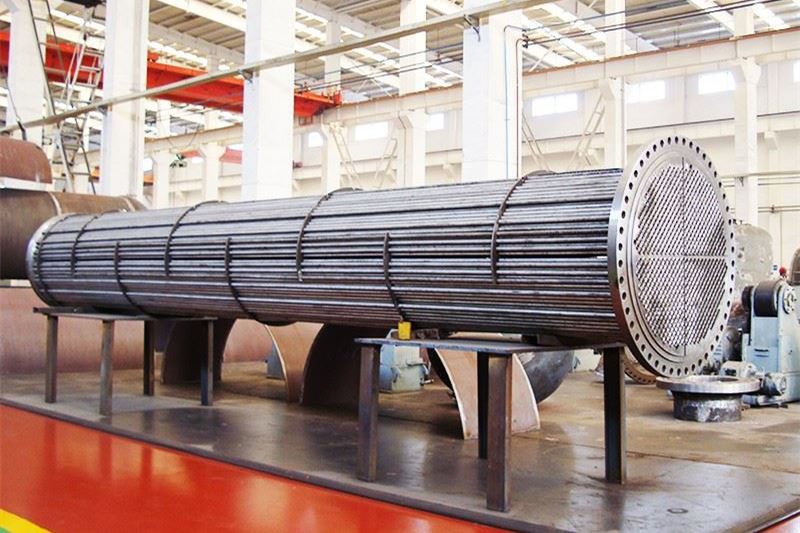
Pressure vessels require regular maintenance and inspection to ensure their safe and reliable operation. Over time, factors such as corrosion, fatigue, and wear can compromise the integrity of the vessel. Regular inspections, which may include non - destructive testing methods like ultrasonic testing, radiography, and magnetic particle inspection, are necessary to detect any potential defects. Maintenance activities, such as replacing gaskets, valves, and seals, also add to the overall cost. Moreover, if a defect is detected during an inspection, the repair process can be time - consuming and expensive. For example, in the case of a Fixed Tube Sheet Heat Exchanger, a leak in the tubes may require the replacement of the entire tube bundle, which is a costly and labor - intensive process.
Safety Risks
Pressure vessels operate under high pressure and temperature conditions, which pose significant safety risks. A sudden failure of a pressure vessel can result in a catastrophic explosion, releasing large amounts of energy and potentially causing severe damage to property and harm to personnel. The risk of explosion is particularly high in vessels that contain flammable or toxic substances. For example, in the chemical industry, pressure vessels are often used to store and process volatile chemicals. If a leak occurs due to a defect in the vessel or improper operation, it can lead to a fire or an explosion. Additionally, the high pressure inside the vessel can cause the vessel to rupture, sending fragments flying at high speeds, which can cause injury to nearby workers.
Limited Flexibility
Pressure vessels are designed for specific applications and operating conditions. Once a vessel is installed, it can be challenging and costly to modify its design or operating parameters. For example, if a company wants to increase the production capacity of a chemical process that uses a pressure vessel, it may need to install a new vessel or make significant modifications to the existing one. Similarly, changing the type of material being processed in a pressure vessel may require a complete overhaul of the vessel's internal components to ensure compatibility. This lack of flexibility can be a disadvantage in industries where production requirements change frequently.
Regulatory Compliance
Pressure vessels are subject to strict regulatory requirements to ensure their safe operation. These regulations vary from country to country and are often based on international standards such as ASME (American Society of Mechanical Engineers) codes. Complying with these regulations requires significant time and resources. Companies need to ensure that their pressure vessels are designed, manufactured, installed, and maintained in accordance with the relevant codes and standards. Failure to comply with these regulations can result in fines, legal liability, and even the shutdown of the facility. For example, in some regions, pressure vessels must be inspected and certified by a third - party organization at regular intervals.
Environmental Impact
The manufacturing and operation of pressure vessels can have a significant environmental impact. The production of the raw materials used in pressure vessels, such as steel and aluminum, requires large amounts of energy and generates greenhouse gas emissions. Additionally, the disposal of pressure vessels at the end of their service life can be a challenge. If not properly disposed of, the vessel may release hazardous substances into the environment. For example, vessels that have been used to store radioactive or toxic chemicals need to be disposed of in a specialized facility to prevent contamination.
Technical Expertise Requirements
Operating and maintaining pressure vessels requires a high level of technical expertise. Personnel responsible for operating the vessels need to be trained in the proper use of pressure - related equipment, safety procedures, and emergency response protocols. In addition, engineers and technicians involved in the design, installation, and maintenance of pressure vessels need to have in - depth knowledge of materials science, mechanics, and thermodynamics. Finding and retaining qualified personnel can be a challenge, especially in regions where there is a shortage of skilled workers.
Space Requirements
Pressure vessels often require a significant amount of space for installation. The size of the vessel depends on its capacity and the operating conditions. In addition to the physical space occupied by the vessel itself, additional space is needed for access, maintenance, and safety clearances. This can be a disadvantage in facilities where space is limited. For example, in a chemical plant located in an urban area, the large size of the pressure vessels may require the company to acquire additional land or modify the existing layout of the plant, which can be costly.
Despite these disadvantages, pressure vessels remain an essential part of many industries. Their ability to handle high - pressure and high - temperature processes makes them indispensable for a wide range of applications. As a pressure vessel supplier, I understand the importance of providing our customers with high - quality vessels that are designed to minimize these disadvantages. We work closely with our customers to ensure that they select the right vessel for their specific needs and provide them with the necessary support for installation, maintenance, and compliance.
If you are considering the use of pressure vessels in your industrial process, I encourage you to contact us for a detailed discussion. Our team of experts can help you evaluate the pros and cons of using pressure vessels in your application and provide you with solutions to mitigate the disadvantages. We are committed to providing you with the best - in - class pressure vessels and services to meet your production requirements.
References
- ASME Boiler and Pressure Vessel Code. American Society of Mechanical Engineers.
- "Pressure Vessel Technology" by Robert F. Harvey.
- Industry reports on pressure vessel safety and regulation.


