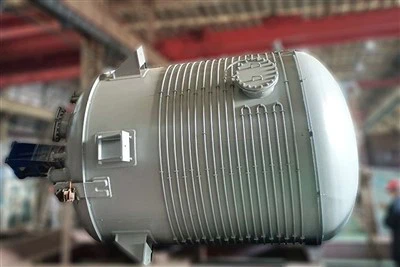
As a seasoned supplier of Stainless Steel Clad Plate, I understand the critical importance of safely transporting these valuable products. Stainless steel clad plates are widely used in various industries due to their excellent corrosion resistance, high strength, and cost - effectiveness. However, their transportation requires careful planning and execution to ensure they arrive at the destination in pristine condition. In this blog, I'll share some essential tips on how to transport stainless steel clad plates safely.


Pre - transportation Preparations
Inspection
Before any transportation, a thorough inspection of the stainless steel clad plates is essential. Check for any visible defects such as scratches, dents, or delamination. Minor surface scratches might seem insignificant, but they can compromise the integrity of the clad layer over time, especially in corrosive environments. Any detected issues should be documented, and if necessary, the plates should be repaired or replaced. This step not only helps in maintaining the quality of the product but also provides a clear record in case of any disputes during transportation.
Packaging
Proper packaging is the first line of defense for stainless steel clad plates during transportation. The plates should be wrapped in protective materials such as plastic film or anti - rust paper to prevent moisture and corrosion. For larger shipments, wooden crates or steel frames can be used to provide additional support and protection. When placing the plates in the crates, ensure they are separated by cushioning materials like rubber pads or foam to avoid direct contact and potential scratching.
Labeling
Each package of stainless steel clad plates should be clearly labeled with important information. This includes the product name, dimensions, weight, handling instructions, and any special requirements. For example, labels should indicate whether the plates are fragile or need to be stored upright. Clear labeling helps the transportation personnel handle the packages correctly and reduces the risk of damage.
Selection of Transportation Mode
Road Transportation
Road transportation is a common choice for transporting stainless steel clad plates, especially for short - to medium - distance deliveries. When choosing a trucking company, ensure they have experience in transporting heavy and fragile goods. The truck should be equipped with a flatbed or a well - secured container to prevent the plates from shifting during transit. Additionally, the truck's suspension system should be in good condition to minimize vibrations that could damage the plates.
Rail Transportation
For long - distance transportation, rail can be a more cost - effective and environmentally friendly option. However, similar to road transportation, the plates need to be properly secured in the railcars. Special attention should be paid to the coupling between the railcars to reduce the impact of sudden stops or starts. Rail transportation also requires coordination with the railway authorities to ensure smooth loading and unloading processes.
Sea Transportation
If the destination is overseas, sea transportation is often the only viable option. When shipping by sea, the stainless steel clad plates should be loaded into shipping containers. The containers should be sealed to prevent water ingress and protected from the harsh marine environment. It's also important to consider the shipping route and weather conditions. For example, if the ship will pass through areas with rough seas, extra precautions such as additional bracing may be required.
Securing the Load
Strapping and Bracing
Regardless of the transportation mode, the stainless steel clad plates must be securely strapped and braced. Straps made of high - strength materials such as polyester or steel should be used to hold the plates in place. The straps should be tightened evenly to prevent any movement during transit. Bracing can be used to provide additional support, especially for large or irregularly shaped plates. Wooden blocks or steel bars can be placed around the plates to keep them stable.
Weight Distribution
Proper weight distribution is crucial for safe transportation. Uneven weight distribution can cause the vehicle or container to become unstable, increasing the risk of accidents. When loading the plates, ensure that the weight is evenly spread across the transportation unit. This may require careful planning and arrangement of the plates within the truck, railcar, or shipping container.
Monitoring During Transportation
Real - time Tracking
With the advancement of technology, real - time tracking systems can be used to monitor the transportation of stainless steel clad plates. These systems allow the supplier and the customer to track the location and condition of the shipment at any time. Some tracking devices can also monitor factors such as temperature, humidity, and vibration. If any abnormal conditions are detected, immediate action can be taken to prevent damage to the plates.
Communication with Carriers
Maintaining regular communication with the carriers is essential. The carrier should be informed of any special requirements or handling instructions for the stainless steel clad plates. In case of delays or unexpected situations during transportation, the carrier should be able to provide timely updates to the supplier and the customer.
Unloading and Storage
Safe Unloading
When unloading the stainless steel clad plates, proper equipment such as cranes or forklifts should be used. The operators should be trained to handle the plates carefully to avoid dropping or damaging them. The unloading area should be clean, flat, and free of any obstacles. After unloading, the plates should be inspected again to ensure they have not been damaged during the process.
Appropriate Storage
Once the plates are unloaded, they should be stored in a suitable environment. The storage area should be dry, well - ventilated, and protected from direct sunlight. If possible, the plates should be stored on racks to prevent contact with the ground and reduce the risk of corrosion. Additionally, the storage area should be secured to prevent unauthorized access and potential damage.
Other Related Clad Plates
In addition to Stainless Steel Clad Plate, we also supply Copper Steel Clad Plate and Nickel - base Steel Clad Plate. The transportation principles for these clad plates are similar to those of stainless steel clad plates. However, due to their different material properties, some specific precautions may be required. For example, copper steel clad plates are more prone to oxidation, so extra anti - rust measures should be taken during transportation and storage.
Conclusion
Transporting stainless steel clad plates safely requires a comprehensive approach that includes pre - transportation preparations, proper selection of transportation modes, secure loading, monitoring during transit, and careful unloading and storage. By following these guidelines, we can ensure that our customers receive high - quality stainless steel clad plates in perfect condition.
If you are interested in our Stainless Steel Clad Plate, Copper Steel Clad Plate, or Nickel - base Steel Clad Plate, please feel free to contact us for more information and to discuss your procurement needs. We are committed to providing you with the best products and services.
References
- ASTM Standards for Clad Plate Manufacturing and Testing
- Transportation Safety Guidelines for Heavy and Fragile Goods
- International Maritime Organization (IMO) Regulations for Sea Transportation of Goods