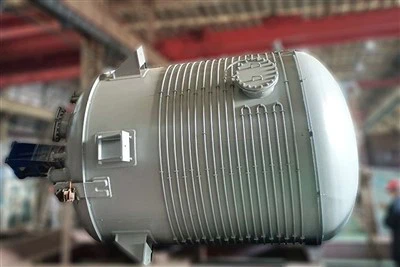
As a supplier of Copper Steel Clad Plate, I understand the importance of accurate shearing in the manufacturing and processing of these plates. Copper steel clad plates combine the excellent electrical and thermal conductivity of copper with the strength and durability of steel, making them widely used in various industries such as electrical engineering, chemical processing, and construction. However, achieving precise shearing of these composite plates can be challenging due to the different mechanical properties of copper and steel. In this blog, I will share some key methods and considerations for accurately shearing copper steel clad plates.
Understanding the Material Properties
Before starting the shearing process, it is crucial to have a thorough understanding of the material properties of copper steel clad plates. The copper layer and the steel layer have different hardness, ductility, and shear strength. Copper is relatively soft and ductile, while steel is harder and stronger. These differences can affect the shearing process, such as the cutting force required, the quality of the cut edge, and the potential for delamination between the two layers.


The thickness ratio of the copper layer to the steel layer also plays an important role. A higher copper layer thickness may require more careful handling to prevent excessive deformation or tearing during shearing. Additionally, the bonding strength between the copper and steel layers should be considered. A strong bond ensures that the two layers remain intact during the shearing process and maintain the performance of the clad plate.
Selecting the Right Shearing Equipment
The choice of shearing equipment is critical for accurate shearing of copper steel clad plates. There are several types of shearing machines available, including mechanical shears, hydraulic shears, and guillotine shears. Each type has its own advantages and limitations, and the selection should be based on the specific requirements of the clad plates, such as thickness, size, and production volume.
Mechanical shears are commonly used for light to medium - thickness copper steel clad plates. They are relatively simple in structure, easy to operate, and cost - effective. However, they may have limitations in terms of cutting force and precision for thicker plates. Hydraulic shears, on the other hand, offer higher cutting force and better control over the shearing process. They are suitable for thicker and larger - sized clad plates. Guillotine shears are known for their high precision and straight cutting edges, making them a good choice for applications where dimensional accuracy is crucial.
In addition to the type of shearing machine, the quality of the cutting blades is also important. High - quality blades made of hard and wear - resistant materials can ensure clean and precise cuts. The blade clearance should be adjusted properly according to the thickness of the clad plate. An improper blade clearance can lead to burrs, deformation, or delamination of the clad plate.
Preparing the Clad Plate for Shearing
Proper preparation of the copper steel clad plate before shearing can significantly improve the accuracy of the shearing process. First, the surface of the clad plate should be cleaned to remove any dirt, grease, or oxide layers. These contaminants can affect the cutting performance and the quality of the cut edge. A clean surface also helps to ensure good contact between the plate and the shearing equipment.
The clad plate should be properly aligned and clamped on the shearing machine. Misalignment can result in uneven cuts and inaccurate dimensions. Using appropriate clamping devices can prevent the plate from moving or shifting during the shearing process. The clamping force should be adjusted to avoid over - clamping, which may cause deformation of the plate, especially the softer copper layer.
Shearing Process Parameters
During the shearing process, several parameters need to be carefully controlled to achieve accurate results. The cutting speed is an important factor. A too - high cutting speed may cause excessive heat generation, which can affect the material properties of the clad plate, especially the copper layer. On the other hand, a too - low cutting speed may lead to poor cutting quality and longer processing times.
The feed rate of the clad plate into the shearing machine also needs to be optimized. A consistent and appropriate feed rate can ensure smooth cutting and accurate dimensions. The cutting force should be monitored to ensure that it is within the capacity of the shearing equipment and does not cause damage to the plate.
Quality Control after Shearing
After shearing, it is essential to conduct quality control checks on the cut copper steel clad plates. Visual inspection can be used to check for any visible defects such as burrs, cracks, or delamination. Dimensional measurements should be taken to ensure that the cut plates meet the required specifications. If any defects are found, appropriate corrective measures should be taken, such as deburring or re - shearing.
Special Considerations for Different Applications
In some applications, such as electrical engineering, the surface finish and the quality of the cut edge of the copper steel clad plate are particularly important. For these applications, additional processing steps may be required after shearing, such as edge grinding or polishing, to improve the surface quality and electrical performance.
In the chemical processing industry, the corrosion resistance of the clad plate is a key concern. After shearing, the cut edges should be properly treated to prevent corrosion. This may involve applying a protective coating or performing a passivation treatment.
Comparison with Other Clad Plates
Copper steel clad plates are just one type of clad plate available in the market. Titanium Steel Clad Plate and Two Sides Clad Plate are also widely used in different industries. When comparing with titanium steel clad plates, copper steel clad plates are generally more cost - effective and have better electrical conductivity. However, titanium steel clad plates have superior corrosion resistance, which makes them suitable for applications in harsh chemical environments.
Two - sides clad plates offer more design flexibility as they can have different materials on both sides. This can be beneficial for applications where different properties are required on each side of the plate. However, the shearing process for two - sides clad plates may be more complex due to the additional layer and the need to ensure the integrity of both sides.
Conclusion
Accurately shearing copper steel clad plates requires a comprehensive understanding of the material properties, the selection of the right shearing equipment, proper preparation of the plate, careful control of the shearing process parameters, and strict quality control. By following these guidelines, we can ensure that the cut clad plates meet the high - quality standards required by various industries.
If you are interested in our Copper Steel Clad Plate products or have any questions about the shearing process or other aspects of clad plates, please feel free to contact us for further discussion and potential procurement negotiations. We are committed to providing high - quality products and professional technical support to meet your specific needs.
References
- ASM Handbook, Volume 14A: Metalworking: Bulk Forming. ASM International.
- "Manufacturing Processes for Engineering Materials" by Serope Kalpakjian and Steven R. Schmid.
- Technical literature on copper steel clad plates provided by industry associations.