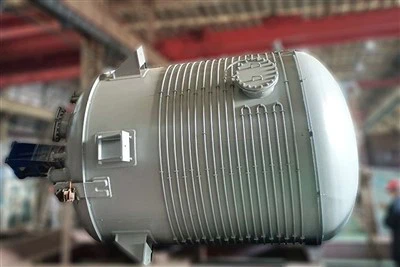
Planning the installation of a large-scale hydrogenation reactor is a complex and critical process that requires careful consideration of numerous factors. As a seasoned hydrogenation reactor supplier, I have witnessed firsthand the importance of meticulous planning to ensure a successful installation. In this blog, I will share some key steps and considerations for planning the installation of a large-scale hydrogenation reactor.
1. Initial Assessment and Site Evaluation
The first step in planning the installation of a large-scale hydrogenation reactor is to conduct a thorough initial assessment and site evaluation. This involves understanding the specific requirements of the project, including the reactor's capacity, operating conditions, and the intended application.
- Technical Requirements: Work closely with the client to determine the technical specifications of the hydrogenation reactor. This includes factors such as the reactor volume, pressure rating, temperature range, and the type of hydrogenation process (e.g., batch or continuous). Understanding these requirements is crucial for selecting the appropriate reactor design and materials.
- Site Conditions: Visit the installation site to assess its suitability for the hydrogenation reactor. Consider factors such as the available space, floor load capacity, ventilation, and access to utilities (e.g., water, electricity, and gas). Ensure that the site can accommodate the size and weight of the reactor, as well as any associated equipment such as pumps, valves, and heat exchangers.
- Safety Considerations: Identify any potential safety hazards at the installation site, such as the presence of flammable or explosive materials, or the risk of chemical spills. Develop a comprehensive safety plan that addresses these hazards and ensures compliance with relevant safety regulations. This may include measures such as installing fire suppression systems, providing personal protective equipment (PPE), and implementing emergency response procedures.
2. Reactor Selection and Design
Once the initial assessment and site evaluation are complete, the next step is to select the appropriate hydrogenation reactor and design it to meet the specific requirements of the project.
- Reactor Type: There are several types of hydrogenation reactors available, including batch reactors, continuous stirred tank reactors (CSTRs), and fixed-bed reactors. Continuous Stirred Tank Reactor are commonly used for large-scale hydrogenation processes due to their high efficiency and continuous operation. Consider the specific requirements of the project, such as the reaction kinetics, product quality, and production capacity, when selecting the reactor type.
- Materials of Construction: The materials of construction for the hydrogenation reactor must be carefully selected to withstand the harsh operating conditions, including high pressure, high temperature, and the presence of corrosive chemicals. Common materials used for hydrogenation reactors include stainless steel, carbon steel, and special alloys such as Hastelloy. Consider the chemical compatibility of the materials with the reactants and products, as well as their mechanical properties and resistance to corrosion.
- Reactor Design: The design of the hydrogenation reactor must take into account factors such as the mixing efficiency, heat transfer, and mass transfer. Ensure that the reactor is designed to provide adequate agitation to promote uniform mixing of the reactants and hydrogen, and to prevent the formation of hot spots or dead zones. Consider the use of internal baffles, impellers, and other mixing devices to enhance the mixing efficiency. Additionally, ensure that the reactor is designed to provide efficient heat transfer to maintain the desired reaction temperature.
3. Equipment and Infrastructure Planning
In addition to the hydrogenation reactor itself, the installation of a large-scale hydrogenation reactor requires the installation of various auxiliary equipment and infrastructure.
- Utility Systems: Plan for the installation of utility systems such as water, electricity, gas, and steam. Ensure that the utility systems are sized and designed to meet the requirements of the hydrogenation reactor and associated equipment. Consider the need for backup systems or emergency power generators to ensure continuous operation in the event of a power outage or other utility failure.
- Piping and Instrumentation: Design and install the piping and instrumentation systems for the hydrogenation reactor. Ensure that the piping is sized and rated to handle the flow rates and pressures of the reactants and products, and that it is made of materials that are compatible with the chemicals being processed. Install appropriate valves, sensors, and control systems to monitor and control the operation of the reactor and associated equipment.
- Safety and Environmental Systems: Install safety and environmental systems such as fire suppression systems, ventilation systems, and waste treatment systems. Ensure that these systems are designed and installed to comply with relevant safety and environmental regulations. Consider the need for emergency shutdown systems and other safety features to protect personnel and equipment in the event of an accident or emergency.
4. Installation and Commissioning
Once the planning and design phase is complete, the next step is to install and commission the hydrogenation reactor.


- Installation: Hire a qualified installation contractor to install the hydrogenation reactor and associated equipment. Ensure that the installation is carried out in accordance with the manufacturer's instructions and relevant safety standards. Monitor the installation process closely to ensure that it is progressing smoothly and that any issues or problems are addressed promptly.
- Commissioning: Once the installation is complete, conduct a thorough commissioning process to ensure that the hydrogenation reactor and associated equipment are operating properly. This involves testing the equipment, calibrating the instrumentation, and verifying the performance of the reactor under various operating conditions. Develop a commissioning plan that outlines the specific tests and procedures to be carried out, and ensure that all personnel involved in the commissioning process are trained and qualified.
- Training and Documentation: Provide training to the client's personnel on the operation, maintenance, and safety of the hydrogenation reactor and associated equipment. Develop comprehensive documentation, including operating manuals, maintenance schedules, and safety procedures, to ensure that the equipment is operated and maintained properly.
5. Post-Installation Support
After the installation and commissioning of the hydrogenation reactor are complete, it is important to provide ongoing post-installation support to the client.
- Maintenance and Repair: Offer maintenance and repair services to ensure the continued operation and reliability of the hydrogenation reactor. Develop a maintenance schedule that includes regular inspections, cleaning, and lubrication of the equipment, as well as the replacement of worn or damaged parts. Provide prompt and efficient repair services in the event of a breakdown or malfunction.
- Technical Support: Provide technical support to the client's personnel on an ongoing basis. This may include answering questions, providing troubleshooting assistance, and offering advice on process optimization and equipment upgrades. Establish a communication channel to ensure that the client can easily contact the supplier for support.
- Upgrades and Retrofits: As technology advances and the client's needs change, offer upgrades and retrofits to the hydrogenation reactor and associated equipment. This may include installing new sensors, control systems, or other components to improve the performance, efficiency, or safety of the equipment.
Conclusion
Planning the installation of a large-scale hydrogenation reactor is a complex and challenging process that requires careful consideration of numerous factors. By following the steps outlined in this blog, you can ensure a successful installation and commissioning of the reactor, and provide the client with a reliable and efficient hydrogenation solution.
If you are interested in purchasing a hydrogenation reactor or need more information about our products and services, please feel free to contact us for a detailed consultation and quotation. We look forward to working with you to meet your hydrogenation needs.
References
- Smith, J. (2018). Hydrogenation Reactor Design and Operation. Chemical Engineering Journal, 250, 321-330.
- Johnson, R. (2019). Safety Considerations in the Installation of Large-Scale Hydrogenation Reactors. Journal of Hazardous Materials, 360, 456-463.
- Brown, A. (2020). Advances in Hydrogenation Reactor Technology. Chemical Engineering Progress, 116(5), 56-63.