


Optimizing a Reactor - based application is a multifaceted process that requires a deep understanding of both the reactor system itself and the specific application it serves. As a Reactor supplier, I've witnessed firsthand the challenges and opportunities that come with enhancing the performance of these critical components. In this blog, I'll share some key strategies and considerations for optimizing a Reactor - based application.
Understanding the Basics of Reactors
Before delving into optimization, it's crucial to have a solid grasp of what a reactor is and how it functions. A Reactor is a vessel in which chemical reactions take place. These reactions can be exothermic or endothermic, and the reactor's design must accommodate the specific requirements of the reaction, such as temperature, pressure, and reaction time.
The performance of a reactor is often measured by factors like conversion rate, selectivity, and yield. Conversion rate refers to the proportion of reactants that are converted into products. Selectivity measures the ability of the reactor to produce the desired product rather than by - products. Yield is the amount of the desired product obtained relative to the theoretical maximum.
Analyzing the Application Requirements
The first step in optimizing a Reactor - based application is to thoroughly analyze the application requirements. This involves understanding the nature of the chemical reaction, the flow rates of reactants, and the desired output. For example, in a continuous - flow reactor application, maintaining a steady flow rate is essential for consistent product quality.
It's also important to consider the operating conditions, such as temperature and pressure. Some reactions are highly sensitive to these parameters, and even small deviations can have a significant impact on the reaction outcome. By precisely controlling these conditions, we can improve the efficiency and performance of the reactor.
Selecting the Right Reactor Design
The choice of reactor design plays a pivotal role in optimizing the application. There are several types of reactors available, each with its own advantages and limitations. For instance, a batch reactor is suitable for small - scale production or when the reaction requires a long residence time. On the other hand, a continuous - flow reactor is ideal for large - scale production and reactions that need precise control of reaction conditions.
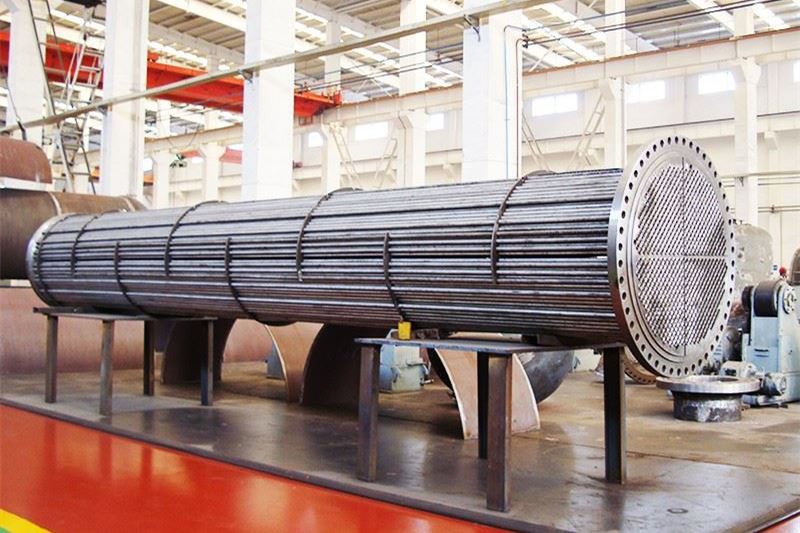

In addition to the basic reactor types, there are also specialized designs. A Fixed Tube Sheet Heat Exchanger can be integrated with a reactor to efficiently transfer heat, which is crucial for maintaining the desired reaction temperature. This type of design can improve energy efficiency and enhance the overall performance of the reactor system.
Monitoring and Control Systems
Implementing effective monitoring and control systems is another key aspect of optimizing a Reactor - based application. These systems allow us to continuously monitor important parameters such as temperature, pressure, flow rate, and composition. By collecting real - time data, we can detect any deviations from the desired operating conditions and take corrective actions promptly.
Advanced control algorithms can be used to automate the control process. For example, a proportional - integral - derivative (PID) controller can adjust the flow rates or temperature based on the measured values. This not only improves the accuracy of control but also reduces the risk of human error.
Maintenance and Upgrades
Regular maintenance is essential for ensuring the long - term performance of a reactor. This includes cleaning the reactor, inspecting for any signs of wear or damage, and replacing worn - out components. By following a strict maintenance schedule, we can prevent unexpected breakdowns and extend the lifespan of the reactor.
In addition to maintenance, periodic upgrades can also enhance the performance of the reactor. This could involve upgrading the monitoring and control systems, installing more efficient heat exchangers, or improving the reactor's insulation. These upgrades can improve energy efficiency, increase production capacity, and reduce operating costs.
Integration with Other Processes
A Reactor - based application is often part of a larger chemical process. Integrating the reactor with other processes, such as separation and purification steps, can significantly improve the overall efficiency of the system. For example, a Filter Tower can be used to separate the products from the reaction mixture, which can improve the purity of the final product.
By carefully designing the integration between the reactor and other processes, we can minimize the energy consumption and waste generation of the entire system. This holistic approach to optimization can lead to substantial cost savings and environmental benefits.
Safety Considerations
Safety is always a top priority when optimizing a Reactor - based application. Chemical reactions can be hazardous, and proper safety measures must be in place to protect both the operators and the environment. This includes installing safety valves, pressure relief systems, and emergency shutdown systems.
It's also important to provide comprehensive training to the operators. They should be familiar with the operation of the reactor, the potential hazards, and the emergency procedures. By ensuring a high level of safety, we can operate the reactor with confidence and avoid costly accidents.
Collaboration and Knowledge Sharing
Optimizing a Reactor - based application often requires a multidisciplinary approach. Collaboration between engineers, chemists, and operators is essential for achieving the best results. By sharing knowledge and expertise, we can identify innovative solutions to the challenges we face.
In addition, staying updated with the latest research and industry trends is crucial. Attending conferences, participating in industry forums, and reading technical publications can provide valuable insights into new technologies and best practices for reactor optimization.
Conclusion
Optimizing a Reactor - based application is a complex but rewarding process. By understanding the application requirements, selecting the right reactor design, implementing effective monitoring and control systems, and taking a holistic approach to integration and safety, we can significantly improve the performance of the reactor.
As a Reactor supplier, I'm committed to helping our customers optimize their Reactor - based applications. Whether you're looking to improve energy efficiency, increase production capacity, or enhance product quality, we have the expertise and resources to support you. If you're interested in learning more about how we can help you optimize your reactor system, please feel free to contact us for a procurement discussion.
References
- Levenspiel, O. (1999). Chemical Reaction Engineering. Wiley.
- Fogler, H. S. (2016). Elements of Chemical Reaction Engineering. Prentice Hall.
- Smith, J. M., Van Ness, H. C., & Abbott, M. M. (2005). Introduction to Chemical Engineering Thermodynamics. McGraw - Hill.


