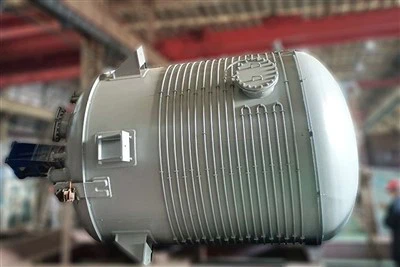
Choosing the right packing material for a Stripping Tower is crucial for its efficient operation. As a Stripping Tower supplier, I've seen firsthand how the wrong choice can lead to all sorts of problems, from decreased efficiency to increased maintenance costs. So, in this blog post, I'm gonna share some tips on how to pick the best packing material for your Stripping Tower.
First off, let's understand what a Stripping Tower does. A Stripping Tower is a type of distillation column used to separate components in a liquid mixture by stripping one or more volatile components from the liquid phase. The packing material inside the tower plays a vital role in this process. It provides a large surface area for the mass transfer between the vapor and liquid phases, which is essential for effective separation.
Consider the Physical Properties of the Packing Material
One of the first things to think about when choosing packing material is its physical properties. The material should be strong enough to withstand the operating conditions inside the tower, including temperature, pressure, and the corrosive nature of the process fluids.

- Temperature Resistance: Different processes in a Stripping Tower can operate at various temperatures. You need to select a packing material that can handle the maximum temperature expected in your process. For example, if you're dealing with high - temperature applications, materials like ceramic or certain types of metal alloys might be more suitable. Ceramic packings can withstand very high temperatures and are also resistant to many corrosive chemicals.
- Pressure Resistance: The packing material must also be able to withstand the pressure inside the tower. If the pressure is too high and the packing is not strong enough, it can collapse, leading to poor performance and potentially costly repairs. Metal packings are often a good choice for high - pressure applications because of their high strength.
- Corrosion Resistance: The process fluids in a Stripping Tower can be highly corrosive. You need to choose a packing material that won't react with these fluids. For instance, if you're working with acidic fluids, plastic packings made from materials like polypropylene or PVC can be a good option as they are resistant to many acids.
Look at the Surface Area and Porosity
The surface area and porosity of the packing material are key factors in determining the efficiency of the Stripping Tower.
- Surface Area: A larger surface area allows for more contact between the vapor and liquid phases, which enhances the mass transfer process. Random packings, such as Raschig rings or Pall rings, are designed to provide a large surface area per unit volume. Structured packings, on the other hand, offer an even higher surface area and more uniform flow distribution, resulting in better separation efficiency.
- Porosity: The porosity of the packing material affects the flow of both the vapor and liquid phases. High - porosity packings allow for better flow and lower pressure drop across the tower. This means less energy is required to operate the tower, which can lead to significant cost savings in the long run.
Evaluate the Cost
Cost is always a consideration when choosing any equipment or material. You need to balance the initial cost of the packing material with its long - term performance and maintenance requirements.
- Initial Cost: Different types of packing materials have different price tags. For example, ceramic packings are generally more expensive than plastic packings. However, they may offer better performance and longer service life in certain applications, which could justify the higher initial cost.
- Maintenance and Replacement Costs: Some packing materials may require more frequent maintenance or replacement. For instance, if a packing material is prone to fouling, you'll need to clean or replace it more often, which adds to the overall cost of operating the Stripping Tower.
Compatibility with Other Equipment
The packing material you choose should be compatible with other equipment in the Stripping Tower system.
- Tower Internals: The packing needs to fit well with the tower internals, such as distributors and support plates. If the packing is not compatible, it can cause uneven distribution of the vapor and liquid phases, leading to poor separation efficiency.
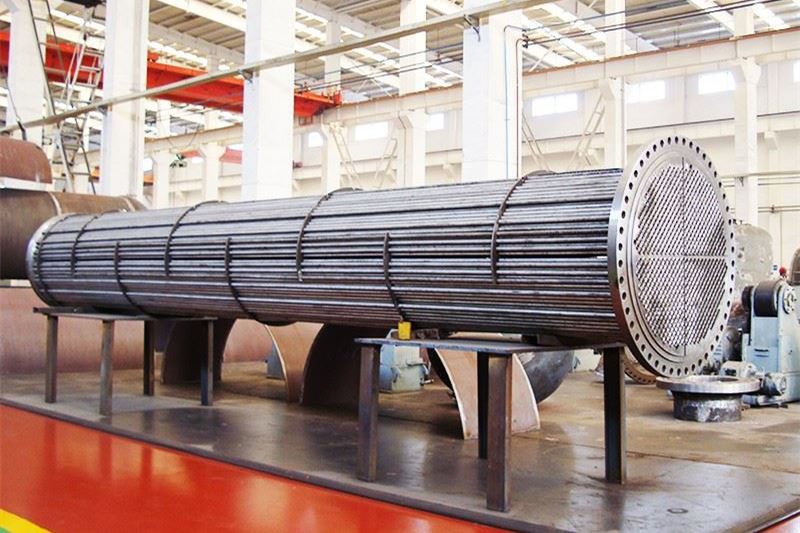
- Other Related Equipment: Consider how the packing material will interact with other related equipment in the process, like Drying Tower or Fixed Tube Sheet Heat Exchanger. For example, if the packing material releases particles that could clog the heat exchanger tubes, it's not a good choice.
Seek Expert Advice
If you're still unsure about which packing material to choose, it's a good idea to seek expert advice. As a Stripping Tower supplier, I've worked with a wide range of customers and applications. I can provide you with valuable insights based on my experience.
We can analyze your specific process requirements, including the type of fluids, operating conditions, and separation goals. Based on this analysis, we can recommend the most suitable packing material for your Stripping Tower.
Conclusion
Choosing the right packing material for a Stripping Tower is a complex decision that requires careful consideration of multiple factors. By taking into account the physical properties, surface area, porosity, cost, compatibility with other equipment, and seeking expert advice, you can make an informed choice that will ensure the efficient and cost - effective operation of your Stripping Tower.
If you're in the market for a Stripping Tower or need help with choosing the right packing material, don't hesitate to get in touch. We're here to assist you in every step of the process to make sure you get the best solution for your needs.
References
- Perry, R. H., & Green, D. W. (1997). Perry's Chemical Engineers' Handbook. McGraw - Hill.
- Sinnott, R. K. (2005). Coulson & Richardson's Chemical Engineering: Volume 6 - Chemical Engineering Design. Elsevier.