


Hey there! As a supplier of Scrubber Towers, I've been getting a lot of questions lately about how the scrubbing liquid flow rate affects the performance of these towers. So, I thought I'd take some time to break it down for you all.
First off, let's quickly go over what a Scrubber Tower is. It's a piece of equipment used to remove harmful substances from gas streams. It works by bringing the gas into contact with a scrubbing liquid, which absorbs or reacts with the pollutants. This is a crucial process in many industries, like chemical manufacturing, power generation, and waste management.
Now, let's dive into the main topic: the impact of scrubbing liquid flow rate. The flow rate of the scrubbing liquid is a key factor that can make or break the performance of a Scrubber Tower.
How Flow Rate Affects Removal Efficiency
One of the most important aspects of a Scrubber Tower's performance is its removal efficiency, which is how well it gets rid of pollutants from the gas stream. A higher scrubbing liquid flow rate generally means better removal efficiency. When the flow rate is high, there's more contact between the scrubbing liquid and the gas. This increased contact allows for more pollutants to be absorbed or reacted with the liquid.
Think of it like a sponge. If you're trying to soak up a spill, a wetter sponge (higher flow rate) will soak up more liquid (pollutants) than a drier one. In a Scrubber Tower, the scrubbing liquid acts as that sponge, and a higher flow rate gives it more capacity to capture pollutants.
However, there's a limit to this. If the flow rate is too high, it can cause problems. The gas might not have enough time to properly interact with the liquid, and it could just rush through the tower without being effectively cleaned. This is known as flooding, and it can significantly reduce the removal efficiency.
Impact on Pressure Drop
Another thing affected by the scrubbing liquid flow rate is the pressure drop across the Scrubber Tower. Pressure drop is the difference in pressure between the inlet and the outlet of the tower. A higher flow rate usually leads to a higher pressure drop.
When the scrubbing liquid flows at a high rate, it creates more resistance for the gas to pass through the tower. This resistance causes the pressure at the inlet to be higher than at the outlet. A moderate pressure drop is normal and expected, but if it gets too high, it can cause issues.
A high pressure drop means the system has to work harder to push the gas through the tower. This can increase energy consumption and operating costs. It can also put more stress on the equipment, potentially leading to more frequent maintenance and a shorter lifespan for the Scrubber Tower.
Effect on Tower Size and Cost
The scrubbing liquid flow rate also plays a role in determining the size and cost of the Scrubber Tower. A higher flow rate might require a larger tower to accommodate the increased volume of liquid and gas. This means more materials are needed for construction, which drives up the cost.
On the other hand, a lower flow rate might allow for a smaller tower, which is cheaper to build. But remember, a lower flow rate might also mean lower removal efficiency, so it's a balance that needs to be carefully considered.
Finding the Optimal Flow Rate
So, how do you find the optimal scrubbing liquid flow rate for your Scrubber Tower? Well, it depends on several factors.

First, you need to consider the type and concentration of pollutants in the gas stream. Different pollutants have different reaction rates with the scrubbing liquid, so the flow rate might need to be adjusted accordingly. For example, if you're dealing with a highly reactive pollutant, a lower flow rate might be sufficient. But if the pollutant is less reactive, a higher flow rate might be needed.
The gas flow rate is another important factor. If the gas is flowing through the tower at a high rate, you might need a higher scrubbing liquid flow rate to ensure proper contact and removal of pollutants.
You also need to think about the operating costs. A higher flow rate might improve removal efficiency, but it will also increase energy consumption and potentially maintenance costs. You need to find a balance that gives you good performance without breaking the bank.
Related Equipment and Their Importance
When talking about Scrubber Towers, it's worth mentioning some related equipment that can work in conjunction with them. For example, a Reactor can be used to pre - treat the gas before it enters the Scrubber Tower. This can help to break down some of the pollutants or change their chemical properties, making them easier to remove in the tower.
A Filter Tower can be used after the Scrubber Tower to further remove any remaining particulate matter. This can improve the overall quality of the treated gas.
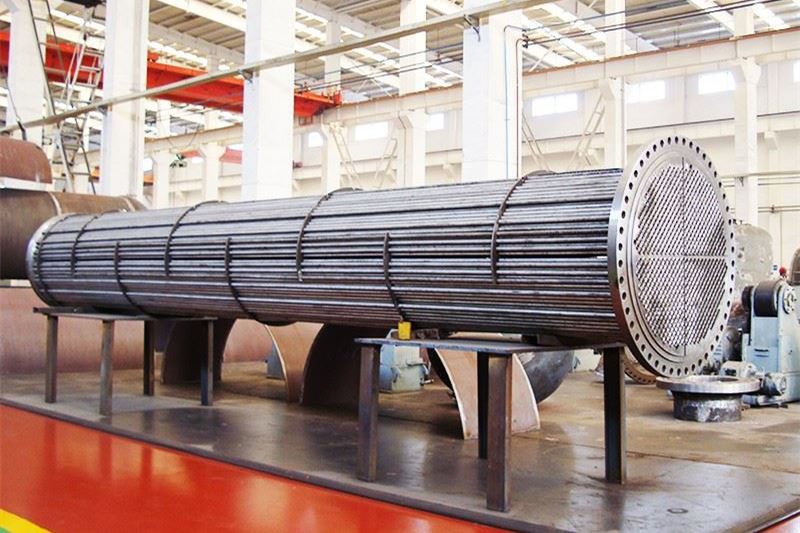
And a Fixed Tube Sheet Heat Exchanger can be used to control the temperature of the scrubbing liquid. Maintaining the right temperature is important because it can affect the reaction rates between the liquid and the pollutants.
Conclusion
In conclusion, the scrubbing liquid flow rate has a significant impact on the performance of a Scrubber Tower. It affects removal efficiency, pressure drop, tower size, and cost. Finding the optimal flow rate is crucial for getting the best performance out of your Scrubber Tower while keeping operating costs in check.
If you're in the market for a Scrubber Tower or have any questions about how to optimize its performance, I'd love to have a chat with you. We can discuss your specific needs and come up with the best solution for your application. Don't hesitate to reach out and start the conversation about your Scrubber Tower requirements.
References
- Perry, R. H., & Green, D. W. (1997). Perry's Chemical Engineers' Handbook. McGraw - Hill.
- Walas, S. M. (1988). Chemical Process Equipment: Selection and Design. Butterworth - Heinemann.


