


In the ever - evolving automotive industry, the search for high - performance, cost - effective, and reliable materials is a continuous journey. As a supplier of Two Sides Clad Plate, I've often been asked whether this unique material can be used in automotive applications. In this blog, I'll explore the potential of Two Sides Clad Plate in the automotive sector, delving into its properties, advantages, and possible use cases.
Understanding Two Sides Clad Plate
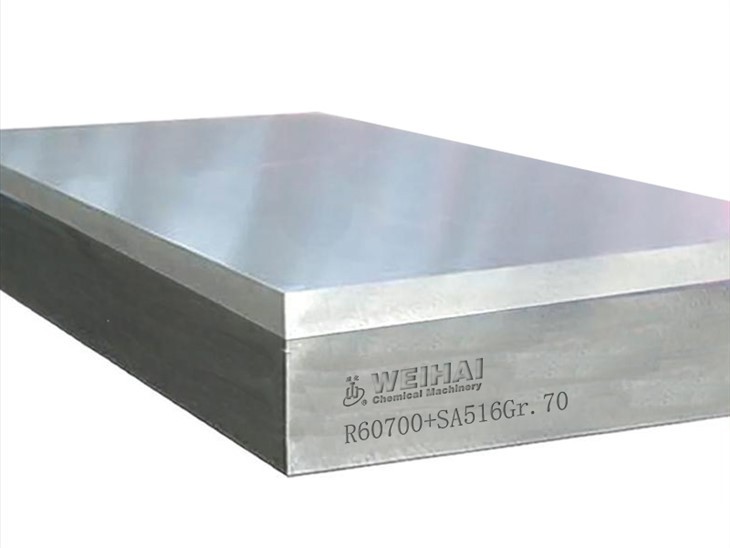
Two Sides Clad Plate is a composite material that consists of two different metals or alloys bonded together on both sides of a core layer. This bonding process, often achieved through explosive cladding, creates a strong and durable material with the combined properties of the constituent metals. For example, one side might offer excellent corrosion resistance, while the other provides high strength or good electrical conductivity.
The Two Sides Clad Plate we supply is engineered to meet the demanding requirements of various industries. The explosive cladding technique ensures a metallurgical bond between the layers, which is much stronger than a simple mechanical attachment. This results in a material that can withstand high stresses, temperature variations, and harsh environments.
Properties of Two Sides Clad Plate Relevant to Automotive Applications
1. Strength and Lightweight
In the automotive industry, reducing weight without sacrificing strength is a key goal. Two Sides Clad Plate can be designed to achieve this balance. For instance, by combining a lightweight metal like aluminum with a high - strength steel, we can create a clad plate that offers the strength needed for structural components while reducing the overall weight of the vehicle. This not only improves fuel efficiency but also enhances the vehicle's performance and handling.
2. Corrosion Resistance
Automobiles are exposed to a variety of corrosive agents, such as road salt, moisture, and chemicals. A Two Sides Clad Plate with a corrosion - resistant outer layer, like stainless steel or copper, can protect the vehicle from rust and other forms of corrosion. This is particularly important for components that are in direct contact with the environment, such as body panels, undercarriage parts, and fuel tanks.
3. Electrical Conductivity
With the increasing electrification of vehicles, electrical conductivity has become an important property. Copper is well - known for its excellent electrical conductivity. A Copper Steel Clad Plate can be used in electrical components, such as battery connectors, wiring harnesses, and grounding systems. The steel layer provides the necessary mechanical strength, while the copper layer ensures efficient electrical transmission.
4. Thermal Conductivity
Efficient heat management is crucial in automotive applications, especially in engines, brakes, and electronic systems. Some Two Sides Clad Plates can be engineered to have high thermal conductivity. For example, a clad plate with an aluminum layer can quickly dissipate heat, preventing overheating and improving the reliability of the components.
Potential Automotive Applications of Two Sides Clad Plate
1. Structural Components
Two Sides Clad Plate can be used in the manufacturing of structural components, such as chassis frames and body pillars. The high - strength properties of the clad plate can provide the necessary rigidity and crashworthiness, while the lightweight nature can contribute to fuel savings. Additionally, the corrosion resistance of the outer layer can extend the service life of these components.
2. Heat Exchangers
In engines and cooling systems, heat exchangers are used to transfer heat from one fluid to another. A Two Sides Clad Plate with high thermal conductivity can improve the efficiency of heat exchangers. For example, a clad plate with an aluminum side for heat transfer and a stainless - steel side for corrosion resistance can be an ideal material for radiator cores and oil coolers.
3. Electrical Components
As mentioned earlier, the electrical conductivity of Two Sides Clad Plate makes it suitable for electrical components. In electric vehicles, where high - power electrical systems are used, clad plates can be used to connect batteries, motors, and other electrical devices. The combination of strength and conductivity ensures reliable electrical performance and long - term durability.
4. Fuel Tanks
Fuel tanks need to be resistant to corrosion and leakage. A Two Sides Clad Plate with a corrosion - resistant inner layer and a strong outer layer can provide a reliable solution. The inner layer can prevent the fuel from corroding the tank, while the outer layer can protect the tank from external damage.
Challenges and Considerations
While Two Sides Clad Plate offers many advantages for automotive applications, there are also some challenges and considerations.
1. Cost
The manufacturing process of Two Sides Clad Plate can be more expensive than traditional single - metal materials. However, the long - term benefits, such as reduced maintenance costs, improved performance, and extended service life, can offset the initial investment. Automobile manufacturers need to conduct a cost - benefit analysis to determine whether the use of clad plates is economically viable.

2. Joining and Fabrication
Joining Two Sides Clad Plate to other components can be more complex than joining single - metal materials. Special welding or fastening techniques may be required to ensure a strong and reliable connection. Additionally, the fabrication process needs to be carefully controlled to avoid damaging the clad layers.
3. Compatibility with Existing Manufacturing Processes
Automobile manufacturers have established manufacturing processes and supply chains. Introducing a new material like Two Sides Clad Plate may require some adjustments to these processes. Compatibility with existing equipment and quality control systems needs to be carefully evaluated.
Conclusion
In conclusion, Two Sides Clad Plate has significant potential in automotive applications. Its unique combination of properties, such as strength, lightweight, corrosion resistance, electrical conductivity, and thermal conductivity, makes it suitable for a wide range of automotive components. While there are some challenges, such as cost and fabrication complexity, the long - term benefits can make it a worthwhile investment for automobile manufacturers.
As a supplier of Two Sides Clad Plate, we are committed to providing high - quality products and technical support to our customers in the automotive industry. If you are interested in exploring the use of Two Sides Clad Plate in your automotive applications, we would be delighted to discuss your specific requirements and work with you to find the best solutions. Contact us to start a procurement negotiation and discover how our Two Sides Clad Plate can enhance the performance and reliability of your vehicles.
References
- ASM Handbook, Volume 1: Properties and Selection: Irons, Steels, and High - Performance Alloys
- Automotive Materials and Manufacturing Processes by David Crolla
- Corrosion Resistance of Metals and Alloys by Robert Winston Revie


