


Hey there! As a supplier of Titanium Steel Clad Plate, I often get asked a really interesting question: Can titanium steel clad plate be formed into different shapes? Well, let's dive right into it and find out.
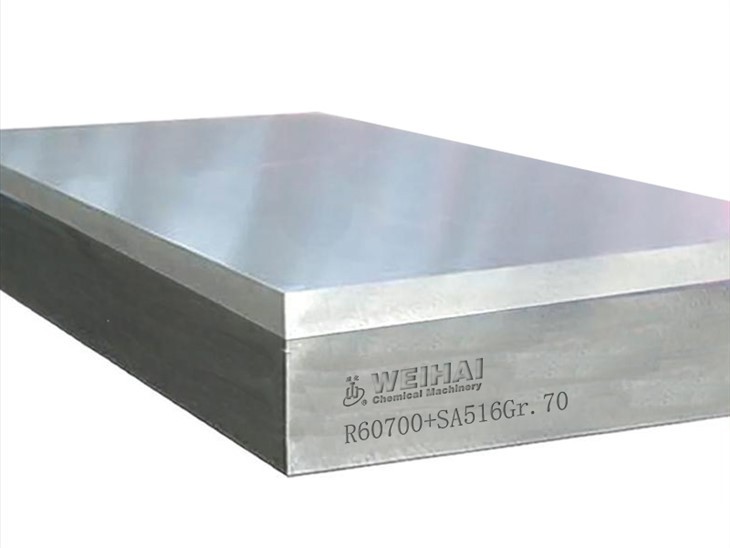
First off, let's understand what titanium steel clad plate is. It's a composite material made by bonding a layer of titanium to a layer of steel. This combination brings together the best of both worlds - the corrosion resistance and lightweight properties of titanium, and the strength and affordability of steel. It's used in a wide range of industries, from chemical processing to marine applications.
Now, back to the question at hand. The short answer is yes, titanium steel clad plate can be formed into different shapes. But like any material, there are some factors to consider.
Forming Methods
There are several methods that can be used to form titanium steel clad plate into different shapes. One of the most common methods is rolling. Rolling involves passing the clad plate through a series of rollers to reduce its thickness and change its shape. This method is great for creating flat sheets or plates with a consistent thickness.
Another method is bending. Bending can be used to create curves or angles in the clad plate. There are different types of bending, such as press bending and roll bending. Press bending uses a press to apply force to the plate and bend it to the desired shape. Roll bending, on the other hand, uses rollers to gradually bend the plate.
Stamping is also a popular method for forming titanium steel clad plate. Stamping involves using a die to cut or shape the plate. This method is often used to create complex shapes or parts with precise dimensions.
Factors Affecting Formability
While titanium steel clad plate can be formed into different shapes, there are some factors that can affect its formability. One of the main factors is the bonding between the titanium and steel layers. If the bonding is not strong enough, the layers may delaminate during the forming process. This can lead to a loss of strength and performance in the clad plate.
The thickness of the titanium and steel layers also plays a role in formability. Thicker layers may be more difficult to form, especially if they have different mechanical properties. For example, titanium is more ductile than steel, so it may require different forming techniques to avoid cracking or other defects.
The type of forming process used can also affect the formability of the clad plate. Some processes, such as rolling, may be more suitable for certain shapes or thicknesses than others. It's important to choose the right forming process based on the specific requirements of the application.
Applications of Formed Titanium Steel Clad Plate
The ability to form titanium steel clad plate into different shapes opens up a wide range of applications. In the chemical processing industry, formed clad plates can be used to create tanks, vessels, and pipes that are resistant to corrosion and high temperatures. In the marine industry, they can be used to make ship hulls, decks, and other components that need to withstand the harsh marine environment.
In the aerospace industry, formed titanium steel clad plate can be used to create lightweight and strong structures, such as aircraft frames and engine components. The automotive industry can also benefit from the use of formed clad plates, for example, in the production of exhaust systems and other parts that require corrosion resistance and high strength.

Other Types of Clad Plates
In addition to titanium steel clad plate, there are other types of clad plates available. For example, Copper Steel Clad Plate combines the electrical conductivity of copper with the strength of steel. This type of clad plate is often used in electrical applications, such as busbars and transformers.
Nickel-base Steel Clad Plate offers excellent corrosion resistance and high temperature performance. It's commonly used in the oil and gas industry, as well as in chemical processing and power generation.
There are also Other Alloy Clad Plate options available, which can be tailored to specific applications based on the properties of the alloys used.
Conclusion
So, to sum it up, titanium steel clad plate can definitely be formed into different shapes. With the right forming methods and careful consideration of the factors affecting formability, it can be used to create a wide range of products in various industries.
If you're interested in using titanium steel clad plate or any other type of clad plate for your project, I'd love to hear from you. We're a leading supplier of high-quality clad plates, and we can provide you with the right solution for your needs. Whether you need a specific shape, size, or performance, we've got you covered. Just reach out to us, and we'll start the conversation about your project.
References
- ASM Handbook, Volume 6: Welding, Brazing, and Soldering
- Metals Handbook Desk Edition, Third Edition
- Corrosion Resistance of Titanium and Titanium Alloys, ASM International


