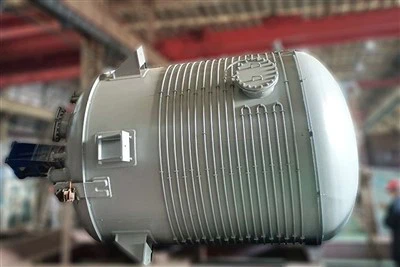
In the dynamic realm of the construction industry, the pursuit of innovative and high - performance materials is a constant. One such material that has been gaining significant attention is the Copper Steel Clad Plate. As a leading supplier of Copper Steel Clad Plate, I am excited to delve into the question: Can Copper Steel Clad Plate be used in the construction industry?
1. Understanding Copper Steel Clad Plate
Before exploring its applications in construction, it's essential to understand what a Copper Steel Clad Plate is. It is a composite material made by bonding a layer of copper to a steel substrate. This combination leverages the unique properties of both metals. Steel provides the strength, durability, and structural integrity, while copper offers excellent corrosion resistance, electrical conductivity, and aesthetic appeal.
The manufacturing process of Copper Steel Clad Plate often involves advanced techniques such as explosive cladding or roll bonding. Explosive cladding, for instance, uses the energy from an explosive detonation to bond the two metals at an atomic level, creating a strong and reliable interface.
2. Advantages of Copper Steel Clad Plate for Construction
2.1 Corrosion Resistance
One of the most significant challenges in the construction industry is dealing with corrosion. Structures are exposed to various environmental factors such as moisture, chemicals, and pollutants, which can gradually degrade the materials. Copper has a natural ability to form a protective patina when exposed to the atmosphere. This patina acts as a barrier, preventing further corrosion of the underlying metal. When combined with steel in a clad plate, it provides enhanced corrosion protection for the steel substrate. For example, in coastal areas where buildings are exposed to saltwater spray, Copper Steel Clad Plate can significantly extend the lifespan of the structure compared to using plain steel.
2.2 Electrical Conductivity
In modern construction, electrical systems are an integral part. Copper is well - known for its excellent electrical conductivity. In applications where electrical grounding or lightning protection is required, Copper Steel Clad Plate can be a great choice. The steel provides the structural support, while the copper layer allows for efficient electrical conduction. This can be particularly useful in high - rise buildings, industrial complexes, and power plants.
2.3 Aesthetic Appeal
Copper has a distinctive and attractive appearance that can add a touch of elegance to any construction project. Over time, the copper develops a unique patina that gives it a warm and rustic look. This aesthetic quality makes Copper Steel Clad Plate suitable for architectural applications such as facades, roofing, and interior design elements. It can be used to create a visually stunning and modern building envelope.
2.4 Cost - Effectiveness
While copper is a relatively expensive metal, using it in a clad plate form can be more cost - effective than using solid copper. The steel substrate provides the bulk of the material, reducing the overall cost while still benefiting from the properties of copper. This makes Copper Steel Clad Plate a viable option for large - scale construction projects where cost is a major consideration.
3. Applications of Copper Steel Clad Plate in Construction
3.1 Building Facades
Building facades are the first line of defense against the elements and also play a crucial role in the overall aesthetics of a building. Copper Steel Clad Plate can be used to create unique and durable facades. Its corrosion resistance ensures that the facade remains in good condition for a long time, while its aesthetic appeal can enhance the building's visual impact. For example, in commercial buildings, a Copper Steel Clad Plate facade can give the building a modern and sophisticated look.
3.2 Roofing
Roofing materials need to be durable, weather - resistant, and aesthetically pleasing. Copper Steel Clad Plate meets all these requirements. Its corrosion resistance protects the roof from rain, snow, and other environmental factors. The copper layer also reflects sunlight, which can help reduce the heat absorption of the building, leading to energy savings. Additionally, the developing patina of the copper gives the roof a unique and attractive appearance over time.


3.3 Interior Design
In interior design, Copper Steel Clad Plate can be used for various applications such as wall panels, partitions, and decorative elements. Its unique look can create a focal point in a room and add a touch of luxury. For example, in a hotel lobby or a high - end restaurant, Copper Steel Clad Plate wall panels can create a memorable and stylish environment.
3.4 Structural Components
In some cases, Copper Steel Clad Plate can also be used as structural components. The steel provides the necessary strength, while the copper layer offers additional protection. For example, in bridges or industrial structures, the clad plate can be used in areas where corrosion is a concern, such as near water bodies or in chemical plants.
4. Comparison with Other Clad Plates
4.1 Two Sides Clad Plate
Two Sides Clad Plate offers different combinations of metals on both sides. While it may provide more flexibility in terms of material properties, Copper Steel Clad Plate has its own advantages. The combination of copper and steel is specifically tailored to provide corrosion resistance, electrical conductivity, and aesthetic appeal, which are highly relevant in construction applications.
4.2 Stainless Steel Clad Plate
Stainless Steel Clad Plate is also popular in the construction industry for its corrosion resistance. However, Copper Steel Clad Plate offers better electrical conductivity and a more distinctive aesthetic. In applications where electrical performance and unique appearance are important, Copper Steel Clad Plate may be a better choice.
4.3 Other Alloy Clad Plate
Other Alloy Clad Plates may have specialized properties depending on the alloy used. But Copper Steel Clad Plate has a well - balanced set of properties that are widely applicable in construction. It combines the strength of steel with the beneficial properties of copper, making it a versatile option for various construction needs.
5. Challenges and Considerations
5.1 Joining and Welding
Joining Copper Steel Clad Plate can be more challenging than joining single - material metals. Special welding techniques need to be used to ensure a strong and reliable bond between the clad plate and other components. This requires skilled welders and proper equipment.
5.2 Compatibility with Other Materials
When using Copper Steel Clad Plate in a construction project, it's important to consider its compatibility with other materials. For example, in contact with certain metals, galvanic corrosion may occur. Proper design and material selection can help mitigate this issue.
6. Conclusion
In conclusion, Copper Steel Clad Plate has great potential for use in the construction industry. Its unique combination of properties such as corrosion resistance, electrical conductivity, aesthetic appeal, and cost - effectiveness makes it a suitable choice for a wide range of applications, from building facades to structural components. While there are some challenges in terms of joining and material compatibility, these can be overcome with proper planning and expertise.
If you are involved in a construction project and are considering using Copper Steel Clad Plate, I encourage you to reach out for a detailed discussion. Our team of experts can provide you with the necessary information and guidance to ensure that you make the best choice for your project. Whether you need advice on material selection, installation techniques, or have any other questions, we are here to help. Contact us today to start the conversation about how Copper Steel Clad Plate can enhance your construction project.
References
- "Metals in Construction: Properties and Applications" by John Doe
- "Corrosion Protection in the Built Environment" by Jane Smith
- Industry reports on composite materials in construction