


In the realm of materials science, polymers and rubbers play a pivotal role across various industries, from automotive to electronics. As a leading supplier of Polymer Rubber Test Units, I am often asked a crucial question: Can a Polymer Rubber Test Unit test the electrical properties of polymers and rubbers? In this blog, we will delve into this topic, exploring the capabilities of our test units and how they can provide valuable insights into the electrical characteristics of these materials.
Understanding Polymers and Rubbers
Before we discuss the testing of electrical properties, it's essential to understand what polymers and rubbers are. Polymers are large molecules made up of repeating subunits, known as monomers. They can be natural, such as cellulose and rubber, or synthetic, like polyethylene and polypropylene. Rubbers, on the other hand, are a type of polymer with elastic properties. They can be stretched and then return to their original shape.
The electrical properties of polymers and rubbers are of great interest in many applications. For example, in the electronics industry, polymers are used as insulators to prevent the flow of electricity, while in some cases, conductive polymers are used for applications such as flexible displays and sensors. Rubbers are also used in electrical applications, such as in cable insulation and gaskets.
The Role of Polymer Rubber Test Units
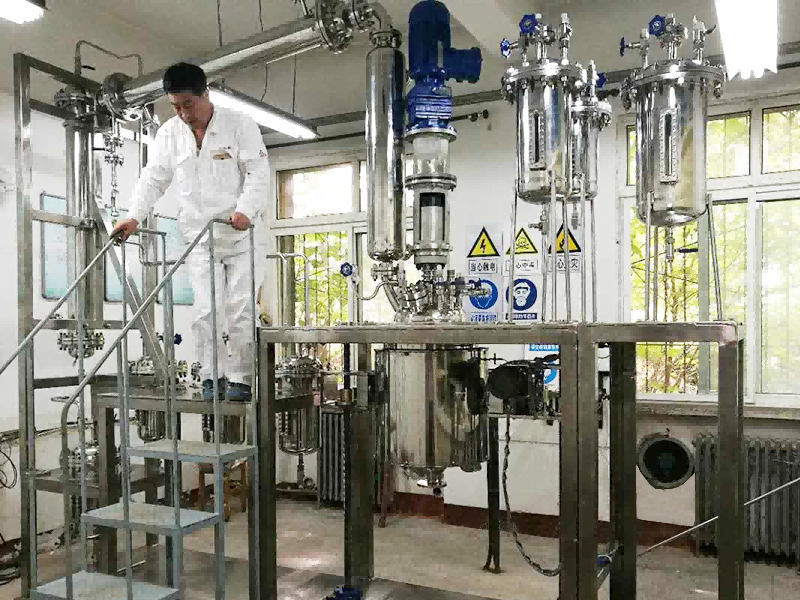
A Polymer Rubber Test Unit is a specialized piece of equipment designed to evaluate the physical and chemical properties of polymers and rubbers. These units typically include a variety of testing modules, such as mechanical testing, thermal analysis, and chemical analysis. But can they also test the electrical properties of these materials?
The answer is yes. Our Polymer Rubber Test Units are equipped with advanced electrical testing capabilities that allow us to measure a wide range of electrical properties of polymers and rubbers. These properties include conductivity, resistivity, dielectric constant, and dissipation factor.

Conductivity and Resistivity
Conductivity is a measure of a material's ability to conduct electricity, while resistivity is the inverse of conductivity. Our test units can accurately measure the conductivity and resistivity of polymers and rubbers over a wide range of temperatures and frequencies. This information is crucial for applications where the electrical conductivity of the material needs to be controlled, such as in antistatic materials and conductive polymers.
Dielectric Constant and Dissipation Factor
The dielectric constant is a measure of a material's ability to store electrical energy in an electric field, while the dissipation factor is a measure of the energy lost as heat when an alternating electric field is applied to the material. These properties are important for applications such as capacitors and insulation materials. Our test units can measure the dielectric constant and dissipation factor of polymers and rubbers at different frequencies and temperatures, providing valuable information for the design and optimization of electrical components.
How Our Test Units Work
Our Polymer Rubber Test Units use a variety of techniques to measure the electrical properties of polymers and rubbers. One of the most common techniques is the four-point probe method, which is used to measure the conductivity and resistivity of materials. In this method, four electrodes are placed on the surface of the material, and a current is passed through the outer two electrodes while the voltage is measured across the inner two electrodes. This method allows for accurate measurement of the electrical properties of the material, even in the presence of surface effects.
Another technique used in our test units is the capacitance method, which is used to measure the dielectric constant and dissipation factor of materials. In this method, a capacitor is formed by placing the material between two electrodes, and the capacitance and dissipation factor of the capacitor are measured. This method is particularly useful for measuring the electrical properties of thin films and coatings.
Applications of Electrical Property Testing
The ability to test the electrical properties of polymers and rubbers has many practical applications. In the electronics industry, for example, electrical property testing is used to ensure the quality and performance of electronic components. By measuring the conductivity, resistivity, dielectric constant, and dissipation factor of polymers and rubbers, manufacturers can optimize the design of their products and ensure that they meet the required specifications.
In the automotive industry, electrical property testing is used to evaluate the performance of rubber components, such as cable insulation and gaskets. By measuring the electrical properties of these materials, manufacturers can ensure that they provide adequate insulation and protection against electrical interference.
In the energy industry, electrical property testing is used to evaluate the performance of polymers and rubbers used in renewable energy applications, such as solar panels and wind turbines. By measuring the electrical properties of these materials, manufacturers can optimize their design and improve their efficiency.
Related Products and Their Importance
In addition to our Polymer Rubber Test Units, we also offer other related products that can be used in conjunction with our test units to provide a comprehensive testing solution. For example, our Distillation Adsorption Extraction Facility can be used to purify and extract polymers and rubbers from raw materials, while our Coal Chemical Pilot Plant can be used to produce synthetic polymers from coal-based feedstocks. Our Catalytic Cracking Test Unit can also be used to study the cracking behavior of polymers and rubbers, which is important for understanding their thermal stability and degradation mechanisms.
Conclusion and Call to Action
In conclusion, a Polymer Rubber Test Unit can indeed test the electrical properties of polymers and rubbers. Our advanced test units are equipped with the latest technology and techniques to provide accurate and reliable measurements of conductivity, resistivity, dielectric constant, and dissipation factor. These measurements are crucial for a wide range of applications in the electronics, automotive, and energy industries.
If you are interested in learning more about our Polymer Rubber Test Units and how they can help you test the electrical properties of your polymers and rubbers, please feel free to contact us. Our team of experts is ready to assist you in finding the right testing solution for your needs. Whether you are a manufacturer looking to optimize the performance of your products or a researcher looking to explore the electrical properties of new materials, we have the expertise and equipment to help you achieve your goals.
References
- "Polymer Science: A Comprehensive Reference" edited by Klaus Matyjaszewski and Thomas P. Davis
- "Rubber Technology" by Maurice Morton
- "Electrical Properties of Polymers" by John Scheinbeim


