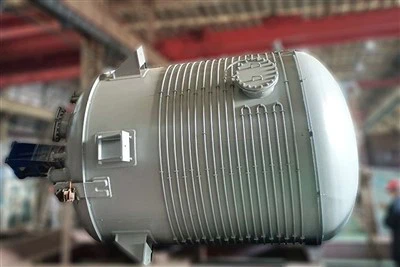
Hey there! As a supplier of Hydrogenation Test Units, I often get asked about the reaction time in these units. It's a crucial aspect that can significantly impact the efficiency and effectiveness of the hydrogenation process. So, let's dive right in and explore what reaction time means in a Hydrogenation Test Unit.
What is Reaction Time in a Hydrogenation Test Unit?
Reaction time, in the context of a Hydrogenation Test Unit, refers to the duration it takes for the hydrogenation reaction to reach a desired level of completion. This reaction involves the addition of hydrogen to a substrate, typically an unsaturated compound, to convert it into a more saturated form. The reaction time can vary depending on several factors, including the nature of the substrate, the catalyst used, the reaction conditions (such as temperature, pressure, and hydrogen flow rate), and the design of the test unit.
Factors Affecting Reaction Time
Substrate Properties
The type and structure of the substrate play a significant role in determining the reaction time. Some substrates are more reactive than others, meaning they can undergo hydrogenation more quickly. For example, substrates with a higher degree of unsaturation, such as polyunsaturated fats, generally react faster than those with lower unsaturation levels. Additionally, the presence of functional groups or substituents on the substrate can also affect its reactivity. Some functional groups may enhance the reaction rate, while others may act as inhibitors.
Catalyst Selection
The choice of catalyst is another critical factor influencing reaction time. Catalysts are substances that increase the rate of a chemical reaction without being consumed in the process. In hydrogenation reactions, catalysts are used to lower the activation energy required for the reaction to occur, thereby speeding up the process. Different catalysts have different activities and selectivities, which can impact the reaction time and the quality of the product. For instance, noble metal catalysts like platinum, palladium, and rhodium are commonly used in hydrogenation reactions due to their high activity and selectivity. However, they can be expensive and may require special handling. Other catalysts, such as nickel and copper, are more cost-effective but may have lower activity.
Reaction Conditions
The reaction conditions, including temperature, pressure, and hydrogen flow rate, can have a significant impact on the reaction time. Generally, increasing the temperature and pressure can accelerate the reaction rate by providing more energy to the reactant molecules and increasing the solubility of hydrogen in the reaction mixture. However, too high a temperature or pressure can also lead to side reactions, catalyst deactivation, or product degradation. Therefore, it's essential to optimize the reaction conditions to achieve the desired reaction time and product quality. The hydrogen flow rate also plays a crucial role in the reaction. A sufficient supply of hydrogen is necessary to ensure that the reaction proceeds at an appropriate rate. If the hydrogen flow rate is too low, the reaction may be limited by the availability of hydrogen, resulting in a longer reaction time.
Test Unit Design
The design of the Hydrogenation Test Unit can also affect the reaction time. Factors such as the reactor type, mixing efficiency, and heat transfer characteristics can influence the contact between the reactants and the catalyst, as well as the removal of heat generated during the reaction. For example, a well-designed reactor with good mixing can ensure that the reactants are evenly distributed and in close contact with the catalyst, leading to a faster reaction rate. Similarly, efficient heat transfer can help maintain the reaction temperature within the desired range, preventing overheating and ensuring the stability of the catalyst.
Measuring Reaction Time
Measuring the reaction time in a Hydrogenation Test Unit typically involves monitoring the progress of the reaction over time. This can be done by analyzing the composition of the reaction mixture at regular intervals using various analytical techniques, such as gas chromatography (GC), high-performance liquid chromatography (HPLC), or infrared spectroscopy (IR). By measuring the concentration of the reactants and products at different time points, it's possible to determine the reaction rate and the time required for the reaction to reach a specific conversion level.


Importance of Controlling Reaction Time
Controlling the reaction time in a Hydrogenation Test Unit is crucial for several reasons. Firstly, it can help optimize the process efficiency by ensuring that the reaction proceeds at an appropriate rate without wasting time or resources. Secondly, it can improve the product quality by preventing over-reaction or under-reaction, which can lead to the formation of unwanted by-products or incomplete conversion of the substrate. Finally, controlling the reaction time can also enhance the safety of the process by minimizing the risk of runaway reactions or other hazardous situations.
Our Hydrogenation Test Unit
At our company, we offer high-quality Hydrogenation Test Units designed to provide accurate and reliable results. Our units are equipped with advanced features and technologies to ensure efficient and precise control of the reaction conditions, including temperature, pressure, and hydrogen flow rate. We also offer a wide range of catalysts and substrates to meet the specific needs of our customers.
If you're interested in learning more about our Hydrogenation Test Units or need assistance with your hydrogenation process, please don't hesitate to [reach out to us]. We're here to help you achieve your goals and ensure the success of your projects.
In addition to our Hydrogenation Test Units, we also offer other pilot plant solutions, such as the Distillation Adsorption Extraction Facility and the Coal Chemical Pilot Plant. These facilities are designed to provide comprehensive testing and development capabilities for various chemical processes.
Conclusion
In conclusion, the reaction time in a Hydrogenation Test Unit is a critical parameter that can significantly impact the efficiency and effectiveness of the hydrogenation process. By understanding the factors that affect reaction time and implementing appropriate control measures, it's possible to optimize the process and achieve the desired product quality. If you're in the market for a Hydrogenation Test Unit, consider our high-quality solutions at Hydrogenation Test Unit. We're committed to providing the best products and services to meet your needs.
References
- Smith, J. M., Van Ness, H. C., & Abbott, M. M. (2005). Introduction to Chemical Engineering Thermodynamics. McGraw-Hill.
- Levenspiel, O. (1999). Chemical Reaction Engineering. Wiley.
- Ertl, G., Knözinger, H., & Weitkamp, J. (1997). Handbook of Heterogeneous Catalysis. Wiley-VCH.