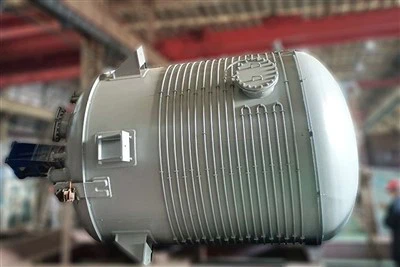
Flooding in a stripping tower is a critical issue that can significantly impact the efficiency and performance of industrial processes. As a leading supplier of stripping towers, we understand the importance of identifying and addressing the root causes of flooding to ensure optimal operation. In this blog post, we will explore the various factors that can cause flooding in a stripping tower and provide insights on how to prevent and mitigate this problem.
Understanding Stripping Towers
Before delving into the causes of flooding, it is essential to have a basic understanding of how stripping towers work. A stripping tower, also known as a stripper, is a type of distillation column used to separate components from a liquid mixture by vaporizing the more volatile components. The tower consists of a vertical column filled with packing material or trays, which provide a large surface area for mass transfer between the liquid and vapor phases.


The liquid mixture is fed into the top of the tower, and a stripping agent, such as steam or an inert gas, is introduced at the bottom. As the liquid flows down the tower, it comes into contact with the rising vapor, and the more volatile components are transferred from the liquid phase to the vapor phase. The vapor is then removed from the top of the tower, and the remaining liquid, which contains the less volatile components, is collected at the bottom.
Causes of Flooding in a Stripping Tower
Flooding in a stripping tower occurs when the liquid flow rate exceeds the capacity of the tower to handle it, resulting in an accumulation of liquid in the tower. This can lead to a variety of problems, including reduced separation efficiency, increased pressure drop, and even tower failure. The following are some of the common causes of flooding in a stripping tower:
High Liquid Flow Rate
One of the most common causes of flooding in a stripping tower is a high liquid flow rate. When the liquid flow rate is too high, the liquid cannot flow down the tower fast enough, and it begins to accumulate in the tower. This can cause the liquid level to rise above the normal operating level, leading to flooding.
To prevent flooding due to high liquid flow rate, it is important to ensure that the liquid flow rate is within the design capacity of the tower. This can be achieved by adjusting the feed rate, controlling the reflux ratio, or using a flow control valve.
High Vapor Flow Rate
Another common cause of flooding in a stripping tower is a high vapor flow rate. When the vapor flow rate is too high, it can carry the liquid droplets up the tower, causing them to accumulate in the upper sections of the tower. This can lead to flooding and reduced separation efficiency.
To prevent flooding due to high vapor flow rate, it is important to ensure that the vapor flow rate is within the design capacity of the tower. This can be achieved by adjusting the stripping agent flow rate, controlling the pressure drop across the tower, or using a vapor distributor.
Low Tower Diameter
The diameter of the stripping tower plays a crucial role in determining its capacity to handle liquid and vapor flow. A tower with a small diameter may not be able to handle a high liquid or vapor flow rate, leading to flooding.
To prevent flooding due to low tower diameter, it is important to select a tower with a diameter that is appropriate for the expected liquid and vapor flow rates. This can be determined by performing a hydraulic analysis of the tower.
Poor Packing or Tray Design
The packing or trays used in a stripping tower provide a large surface area for mass transfer between the liquid and vapor phases. However, if the packing or trays are not designed properly, they may not be able to handle the liquid and vapor flow rates, leading to flooding.
To prevent flooding due to poor packing or tray design, it is important to select a packing or tray that is appropriate for the specific application. This can be determined by considering factors such as the liquid and vapor flow rates, the physical properties of the mixture, and the desired separation efficiency.
Fouling or Plugging
Fouling or plugging of the packing or trays in a stripping tower can also cause flooding. When the packing or trays become fouled or plugged, the liquid and vapor flow rates are reduced, and the pressure drop across the tower increases. This can lead to an accumulation of liquid in the tower, causing flooding.
To prevent flooding due to fouling or plugging, it is important to maintain the stripping tower regularly. This can include cleaning the packing or trays, replacing any damaged components, and monitoring the operating conditions of the tower.
Preventing and Mitigating Flooding in a Stripping Tower
Preventing and mitigating flooding in a stripping tower requires a comprehensive approach that includes proper design, operation, and maintenance. The following are some of the strategies that can be used to prevent and mitigate flooding in a stripping tower:
Proper Design
Proper design of the stripping tower is essential to ensure that it can handle the expected liquid and vapor flow rates without flooding. This includes selecting the appropriate tower diameter, packing or tray type, and stripping agent flow rate. It is also important to perform a hydraulic analysis of the tower to ensure that it is designed to operate within its capacity.
Optimal Operation
Optimal operation of the stripping tower is crucial to prevent flooding. This includes maintaining the liquid and vapor flow rates within the design capacity of the tower, controlling the pressure drop across the tower, and monitoring the operating conditions of the tower. It is also important to adjust the operating parameters as needed to ensure that the tower is operating efficiently.
Regular Maintenance
Regular maintenance of the stripping tower is essential to prevent fouling or plugging of the packing or trays, which can lead to flooding. This includes cleaning the packing or trays, replacing any damaged components, and monitoring the operating conditions of the tower. It is also important to perform regular inspections of the tower to identify any potential problems before they become serious.
Troubleshooting
If flooding occurs in a stripping tower, it is important to troubleshoot the problem quickly to minimize the impact on the process. This includes identifying the root cause of the flooding, such as high liquid or vapor flow rate, poor packing or tray design, or fouling or plugging, and taking appropriate corrective actions.
Conclusion
Flooding in a stripping tower is a serious issue that can significantly impact the efficiency and performance of industrial processes. As a leading supplier of stripping towers, we understand the importance of identifying and addressing the root causes of flooding to ensure optimal operation. By understanding the common causes of flooding and implementing the strategies outlined in this blog post, you can prevent and mitigate flooding in your stripping tower and ensure that it operates efficiently and reliably.
If you are interested in learning more about our stripping towers or have any questions about flooding prevention and mitigation, please [contact us for procurement and negotiation]. We would be happy to discuss your specific needs and provide you with a customized solution.
References
- Perry, R. H., & Green, D. W. (Eds.). (2008). Perry's Chemical Engineers' Handbook (8th ed.). McGraw-Hill.
- Sinnott, R. K. (2005). Coulson & Richardson's Chemical Engineering: Volume 6 - Chemical Engineering Design (2nd ed.). Butterworth-Heinemann.
- Seader, J. D., & Henley, E. J. (2006). Separation Process Principles (2nd ed.). Wiley.