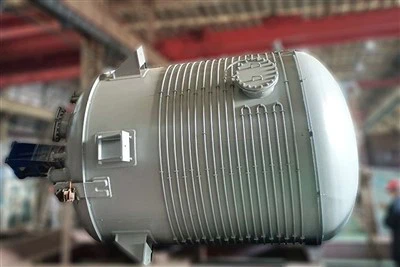
Waste recycling in a pilot plant isn't just a trendy buzzword; it's a practical and profitable approach that can revolutionize how we think about industrial processes. As a supplier of pilot plants, I've seen firsthand the numerous opportunities that exist for waste recycling in these facilities. In this blog, I'll share some of the key waste recycling opportunities in a pilot plant and how they can benefit your operations.
Recycling Catalysts
Catalysts are essential in many chemical processes within a pilot plant. They speed up reactions, reduce energy consumption, and improve product quality. However, catalysts can be expensive, and their disposal can be a challenge. Recycling catalysts is a great way to cut costs and minimize environmental impact.
In a pilot plant, spent catalysts can often be regenerated. For example, some metal - based catalysts can be treated to remove impurities and reactivate the catalytic sites. This process not only extends the lifespan of the catalyst but also reduces the need for new catalyst purchases. Our Hydrogenation Test Unit can be used to test the performance of recycled catalysts in hydrogenation reactions, ensuring that they meet the required standards.
Reusing Solvents
Solvents are widely used in pilot plants for extraction, purification, and reaction processes. They can account for a significant portion of the operating costs and also pose environmental risks if not properly managed. Recycling solvents is an effective way to address both of these issues.
There are several methods for solvent recycling in a pilot plant. Distillation is one of the most common techniques. By heating the solvent mixture to different boiling points, the solvents can be separated and purified. This allows for their reuse in subsequent processes. Our Catalytic Cracking Test Unit can also play a role here. In some cases, cracked products can generate solvents that can be recycled and used in other parts of the plant.
Waste Heat Recovery
Pilot plants often generate a large amount of waste heat during their operations. Instead of letting this heat go to waste, it can be recovered and reused. Waste heat recovery systems can be installed in a pilot plant to capture the heat from exhaust gases, cooling water, or other hot streams.


This recovered heat can be used for various purposes. For example, it can be used to pre - heat incoming feedstocks, which reduces the energy required for the main reaction. It can also be used for space heating in the plant or for other low - temperature processes. Our Coal Chemical Pilot Plant is designed to incorporate waste heat recovery systems, making it more energy - efficient and cost - effective.
Recycling By - products
In chemical reactions within a pilot plant, by - products are often generated alongside the main products. Instead of discarding these by - products, they can be recycled or used as raw materials for other processes.
For instance, in some organic synthesis reactions, small - molecule by - products can be collected and used as starting materials for other chemical reactions. This not only reduces waste but also creates additional value from the same set of raw materials. By carefully analyzing the composition of by - products, new applications can be found, turning waste into a valuable resource.
Recycling Water
Water is a precious resource, and pilot plants consume a significant amount of it. Recycling water is crucial for sustainable operations. In a pilot plant, water can be recycled from various sources, such as cooling water and process wastewater.
Treatment processes like filtration, sedimentation, and biological treatment can be used to purify the water for reuse. Recycled water can be used for non - critical applications like cooling, washing, or as make - up water in some processes. This reduces the demand for fresh water and also lowers the cost associated with water disposal.
Benefits of Waste Recycling in a Pilot Plant
The benefits of waste recycling in a pilot plant are numerous. Firstly, it reduces costs. By recycling catalysts, solvents, and other materials, you can cut down on the expenses associated with purchasing new materials. Waste heat recovery also reduces energy costs, which is a major part of the operating budget in a pilot plant.
Secondly, it has a positive environmental impact. Reducing waste generation and reusing resources helps to conserve natural resources and minimize pollution. This is especially important in today's world, where environmental regulations are becoming stricter.
Thirdly, waste recycling can improve the overall efficiency of the pilot plant. For example, using recycled solvents or pre - heated feedstocks can speed up reactions and improve product quality. It also allows for a more integrated and sustainable process design.
How Our Pilot Plants Can Help
As a supplier of pilot plants, we offer a range of solutions to support waste recycling in your facility. Our pilot plants are designed with flexibility in mind, allowing for easy integration of recycling systems.
We can customize the design of our pilot plants to incorporate waste heat recovery systems, solvent recycling units, and other recycling technologies. Our technical team can also provide support and advice on how to optimize the recycling processes in your pilot plant. Whether you're looking to recycle catalysts, solvents, or water, we have the expertise and equipment to help you achieve your goals.
Conclusion
Waste recycling in a pilot plant presents a wealth of opportunities for cost - savings, environmental protection, and improved efficiency. From recycling catalysts and solvents to recovering waste heat and reusing water, there are many ways to turn waste into a valuable resource.
If you're interested in exploring the waste recycling opportunities in your pilot plant, or if you're looking for a reliable supplier of pilot plants, we'd love to hear from you. Contact us to discuss your specific needs and how our pilot plants can help you achieve your waste recycling goals.
References
- Smith, J. (2020). "Advances in Industrial Waste Recycling". Chemical Engineering Journal.
- Johnson, A. (2019). "Waste Heat Recovery in Chemical Processes". Energy and Environmental Science.
- Brown, C. (2021). "Recycling of Catalysts in Pilot Plants". Catalysis Today.